Lab Report
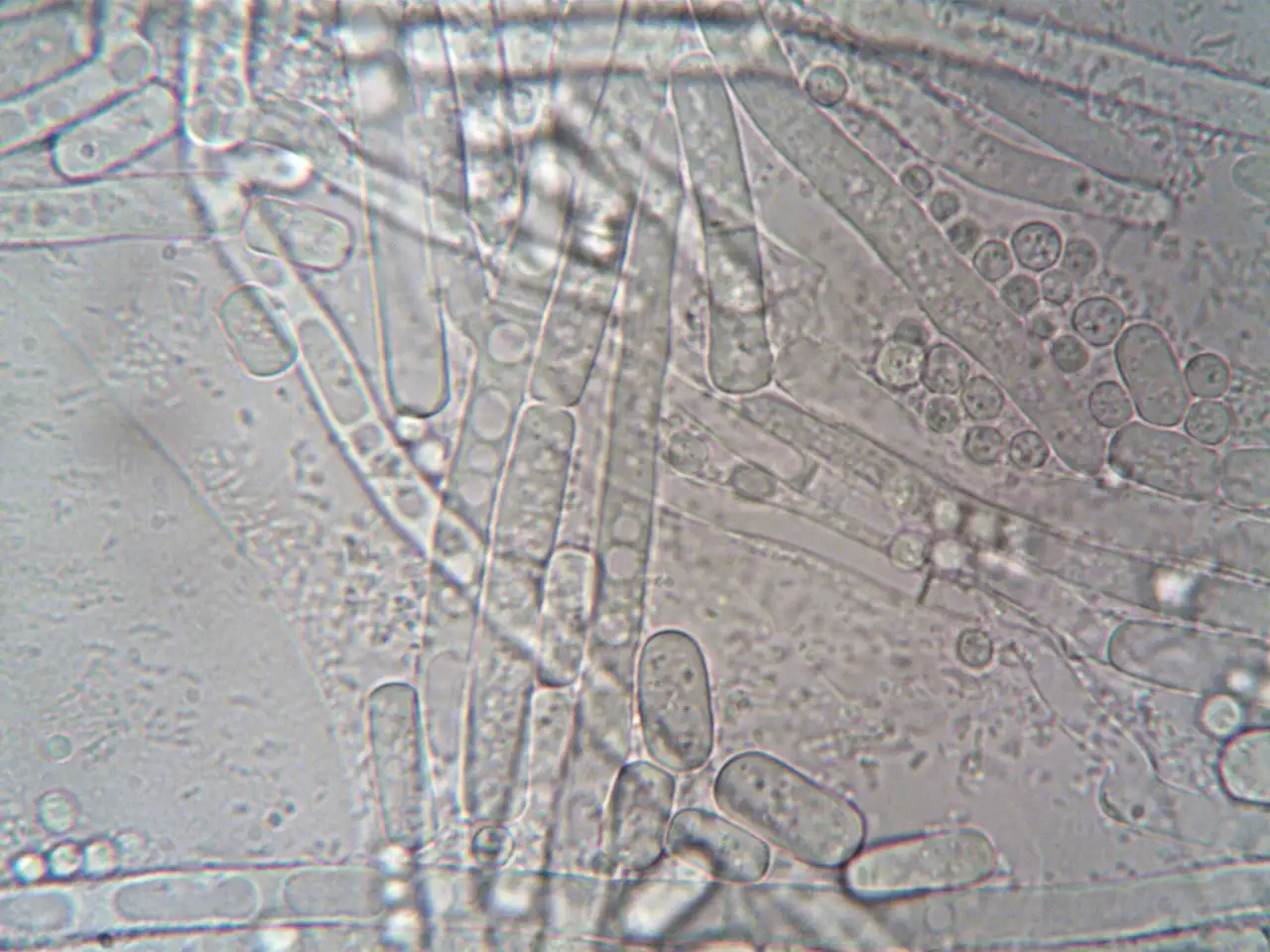
Detailed spore counts and mold genera.
Air Quality Testing Meridian ID gives you a clear picture of what is floating through your home or business. We test for mold spores, allergens, carbon monoxide, and volatile organic compounds using professional-grade equipment. Whether you smell something musty in Southeast Meridian or just bought a house in Tuscany, we tell you exactly what is in your air and what to do about it.
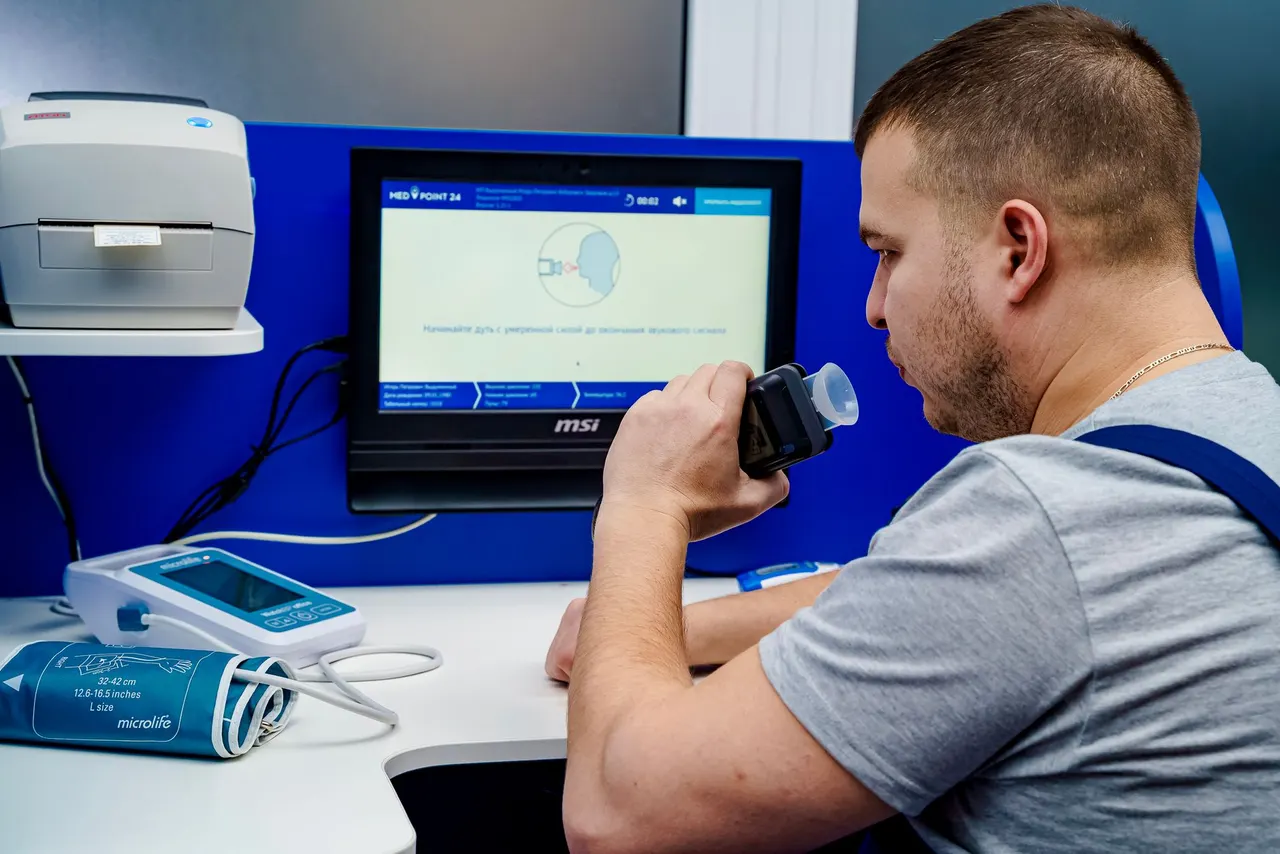
Every Air Quality Testing Meridian ID job includes a thorough inspection, lab-grade sampling, and a written report. We do not cut corners. Here is what you get when you book with us.

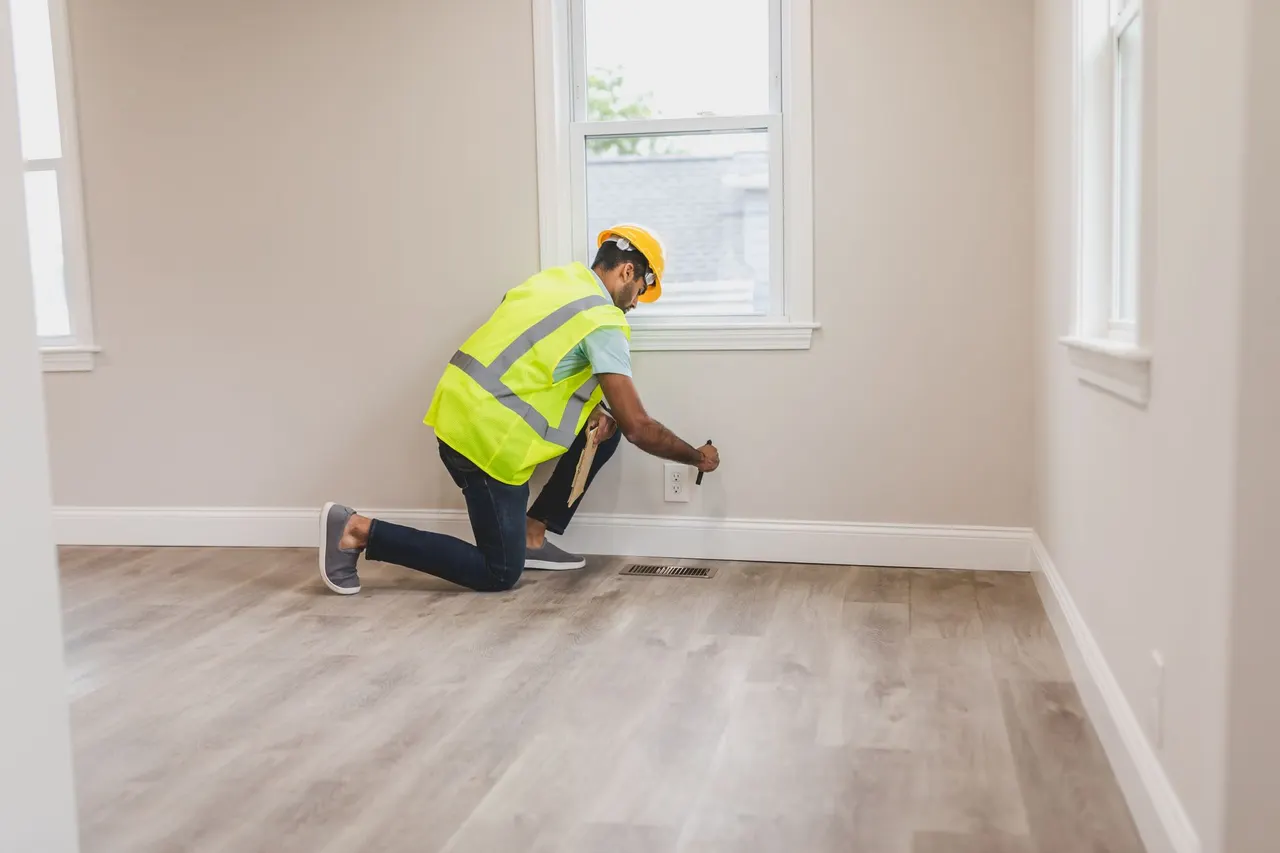
We test the air in your home for mold spores, allergens, and chemicals. You get lab results and a clear report that tells you what to fix.
We test offices, retail spaces, and rental properties for mold and air quality issues. You get documentation that helps you meet health and safety standards.
Air Quality Testing Meridian ID is the process of collecting air and surface samples from your home or business to measure mold spores, allergens, carbon monoxide, and chemical pollutants. We use calibrated air sampling pumps with spore trap cassettes, particle counters, and moisture meters to find problems you cannot see. Every sample goes to an accredited lab, and you get a written report that explains what was found and what it means for your property.
Meridian sits in the Treasure Valley where winter inversions trap cold air and moisture against the ground for weeks. That stagnant air, combined with Idaho's freeze-thaw cycles, pushes moisture into crawl spaces, attics, and wall cavities. If you have ever noticed a musty odor in your basement or seen condensation on your windows, you already have conditions that feed mold growth. An air quality assessment Meridian homeowners schedule early often catches a small leak before it becomes a five-figure remediation.
We test your air, find the source, and give you a plan you can act on.
We follow a five-step protocol that gives you clear answers and a plan. Most jobs take two to four hours on site.

You call us at (208) 823 1178 and describe what you are seeing, smelling, or feeling. We ask about water leaks, musty odors, recent flooding, and HVAC problems. This call takes 10 to 15 minutes and helps us bring the right equipment.

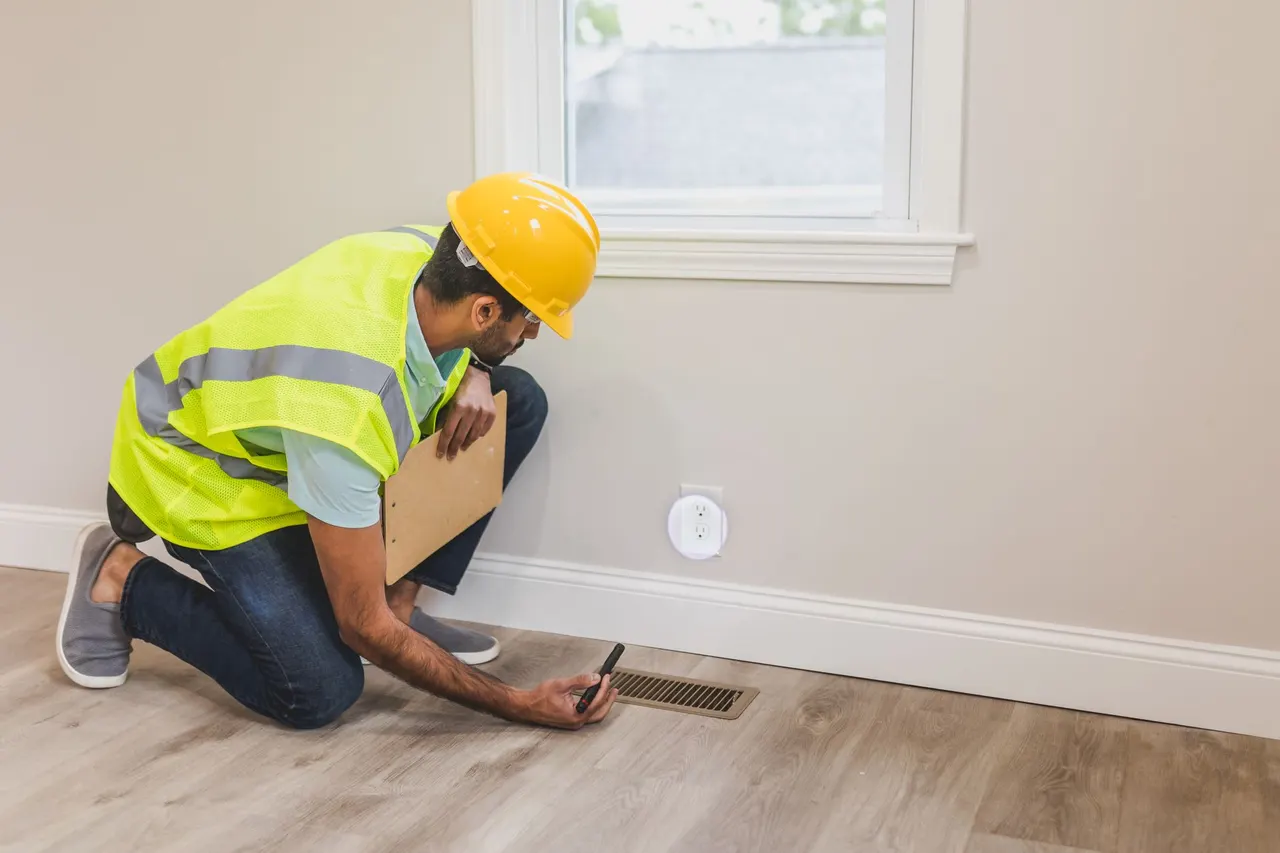
A technician arrives at your scheduled time and walks the property with you. We check crawl spaces, attics, basements, bathrooms, and HVAC systems. We use moisture meters and thermal imaging cameras to find hidden moisture. This walkthrough takes 30 to 45 minutes.
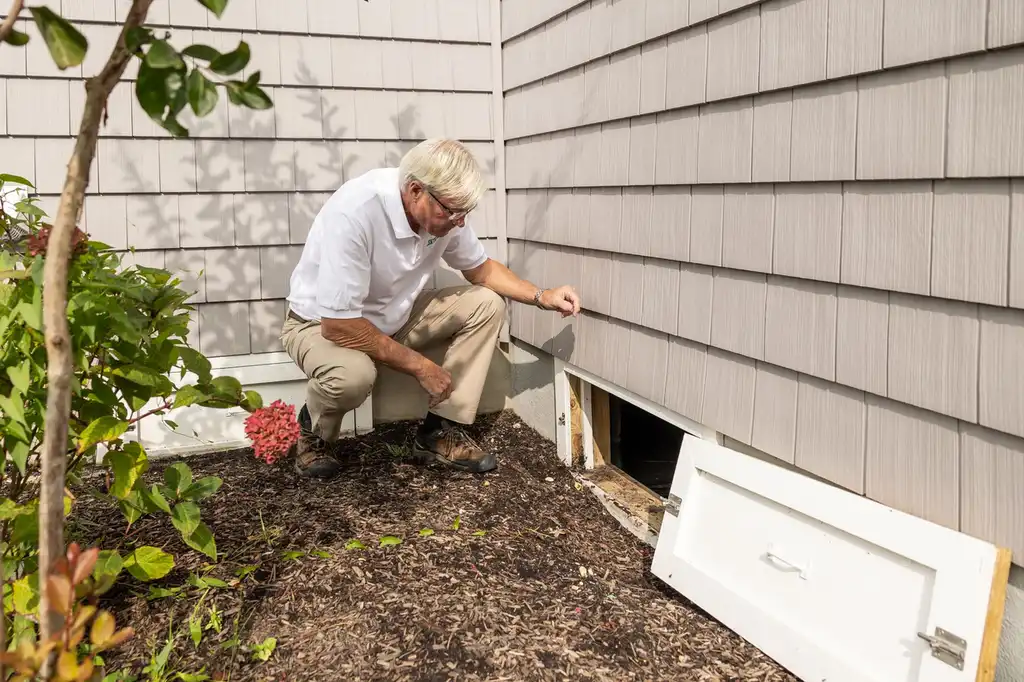
We set up air sampling pumps with Zefon Air-O-Cell cassettes in problem areas and one outdoor control sample. We also take surface samples with swabs or tape lift kits if we see visible growth. Each sample takes 5 to 10 minutes to collect.
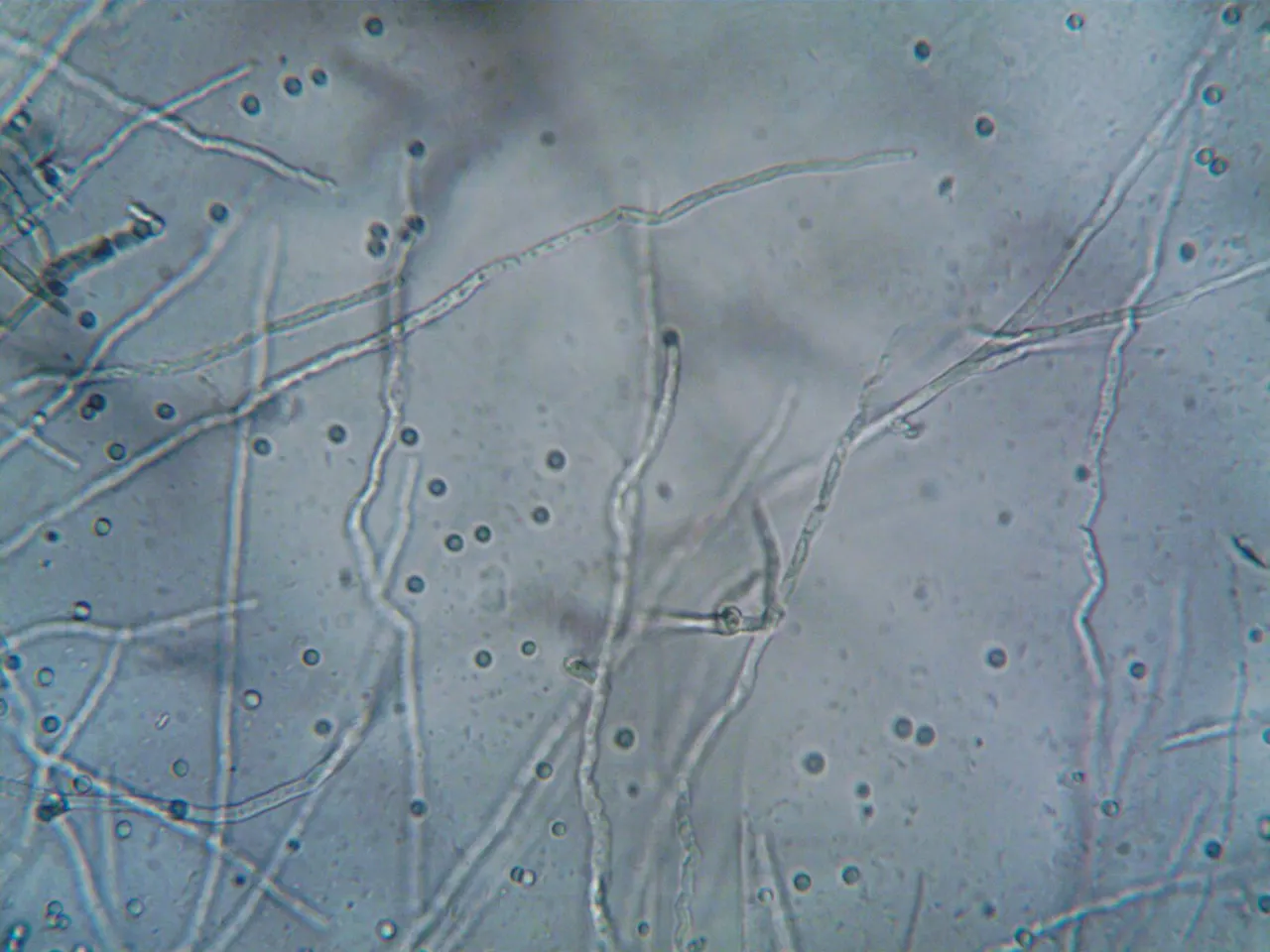
Samples go to an accredited lab with chain of custody forms. The lab identifies mold genera and spore counts. Results come back in 24 to 48 hours. We call you as soon as we have them.
You get a full report with lab data, photos, and a clear explanation of what we found. We tell you what needs to be fixed, whether it is a simple humidity issue or a full remediation. We also give you a maintenance plan to prevent future problems.
These spore trap cassettes collect airborne mold spores for lab analysis. We use them with calibrated pumps to get accurate spore counts per cubic meter of air.
We use SKC pumps to draw air through cassettes at a consistent flow rate. This ensures lab results are reliable and defensible for real estate or legal purposes.
Thermal cameras show temperature differences that reveal hidden moisture behind walls. We use them to target air sampling where mold is most likely growing.
These meters measure moisture content in building materials. We use them to find wet drywall, wood, and insulation that feed mold growth.
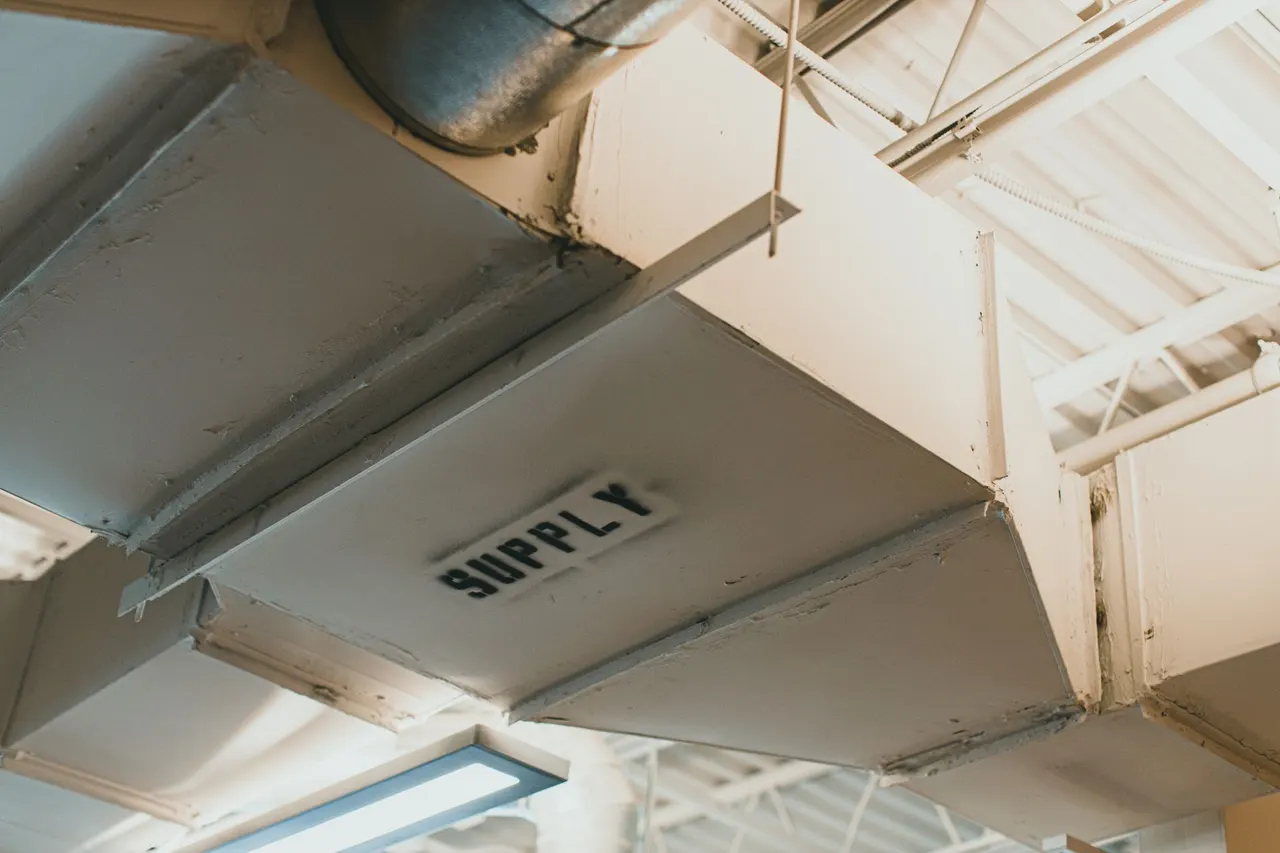
Boroscopes let us see inside wall cavities and ductwork without cutting large holes. We use them to confirm mold growth in hidden areas.
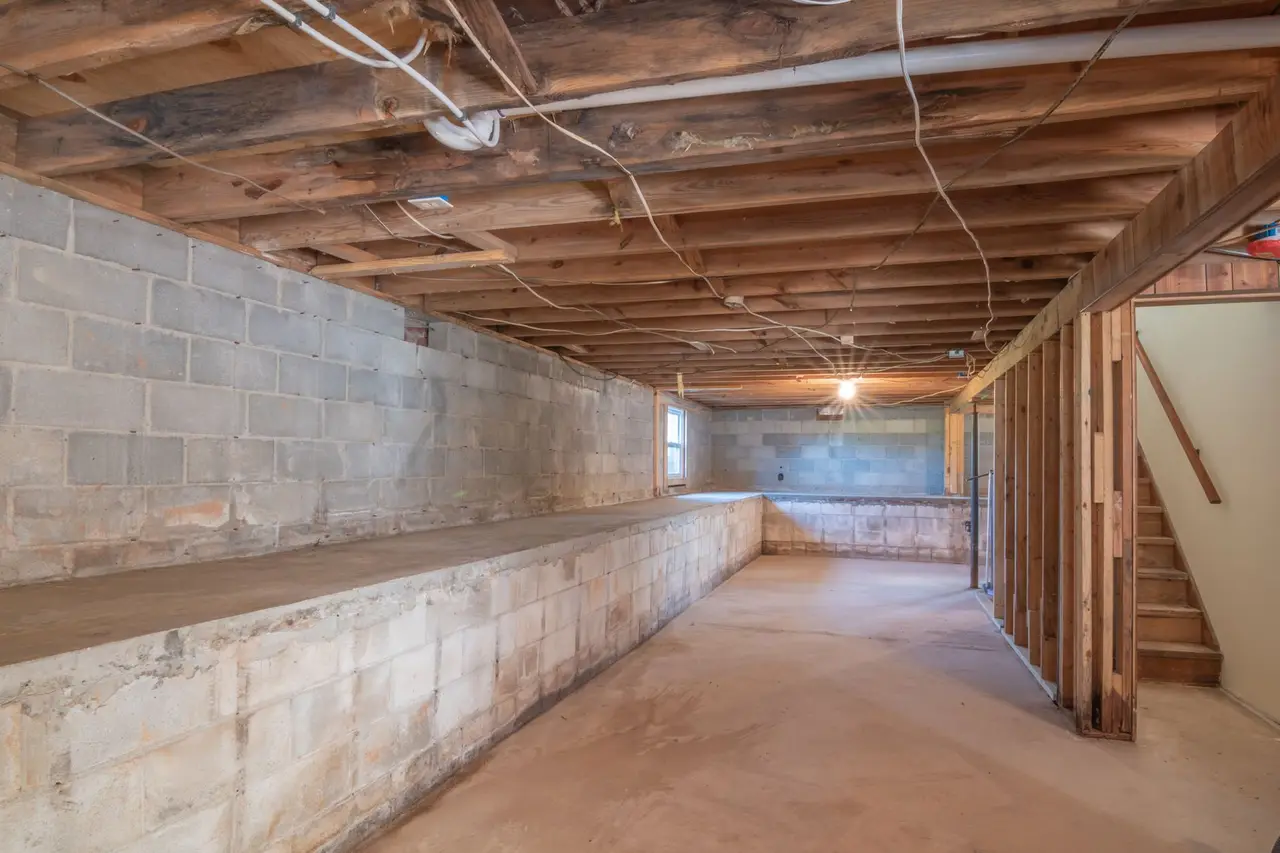
Particle counters measure airborne particulate matter. They help us assess overall air quality and identify high levels of dust or spores.

Hygrometers measure relative humidity. We use them to check if indoor humidity is high enough to support mold growth.

We collect air samples using Zefon Air-O-Cell cassettes and SKC pumps. Each sample runs for 5 to 10 minutes. The cassettes are sent to an accredited lab for analysis. The lab identifies mold genera and counts spores.
We perform a pre-purchase air quality test that includes air and surface sampling. We check crawl spaces, attics, and HVAC systems. You get a report you can use to negotiate repairs or walk away. You make an informed decision and avoid buying a mold problem.
We test your indoor air for mold, allergens, and VOCs. The lab identifies what is triggering symptoms. We then recommend specific fixes to improve your air quality. You identify the cause and take steps to breathe easier at home.
We test air and surfaces for mold and measure moisture levels. If mold is present, we tell you. If it is dry, we confirm that too. You get documentation for insurance. You know whether your cleanup was successful or if more work is needed.
We perform a full air quality test and provide a written report. The report shows whether mold is present and what type. It helps you address the issue and document your response. You resolve the complaint and protect yourself from liability.
Meridian's climate creates specific air quality challenges. Winter inversions trap cold, moist air in the Treasure Valley for days or weeks. That stagnant air lets mold spores concentrate indoors. Spring and summer bring rapid temperature swings and occasional heavy rain, which can push water into crawl spaces and basements. Many Meridian homes were built in the 1990s and 2000s with vapor barriers that have since degraded. We know these local conditions, so we test accordingly. When you book air quality testing in Southeast Meridian, we pay extra attention to crawl spaces and HVAC systems. We also check for high indoor humidity, which is common in newer, tightly sealed homes. Our reports include recommendations tailored to Idaho's climate, like adding dehumidifiers or improving attic ventilation.
A homeowner in Sierra Ridge noticed a musty smell in the upstairs bedrooms. A roof leak had gone unnoticed for months, soaking the attic insulation. Mold was growing on the roof sheathing and spreading spores into the living space.
We tested the air and found high levels of Penicillium and Aspergillus spores. The report guided a remediation team to remove the damaged insulation and treat the attic. Post-remediation testing showed spore levels back to normal.
We recommended annual attic inspections and fixing the roof leak. The homeowner now checks humidity levels monthly to prevent future growth.
A 1980s home in Downtown Meridian had a crawl space with no vapor barrier. Ground moisture was evaporating into the home, raising humidity and feeding mold on floor joists. The homeowner had allergies but did not know why.
Our air quality test found elevated mold spore counts. We also measured high humidity in the crawl space. After installing a vapor barrier and dehumidifier, follow-up testing showed a 70% reduction in spores.
The homeowner runs a dehumidifier in the crawl space and checks the vapor barrier twice a year. Humidity stays below 50%.
A family in Northeast Meridian had recurring sinus infections. Their HVAC system had a clogged condensate drain, causing water to pool in the air handler. Mold grew on the coils and was blowing through the ducts.
We collected air samples from multiple rooms and found high spore counts. The lab identified Cladosporium and Stachybotrys. After HVAC cleaning and remediation, post-testing confirmed clean air.
We recommended monthly filter changes and annual HVAC inspections. The family also installed a UV light in the air handler to prevent future growth.
Meridian homes face specific air quality challenges. Here are the most common problems we find and fix.
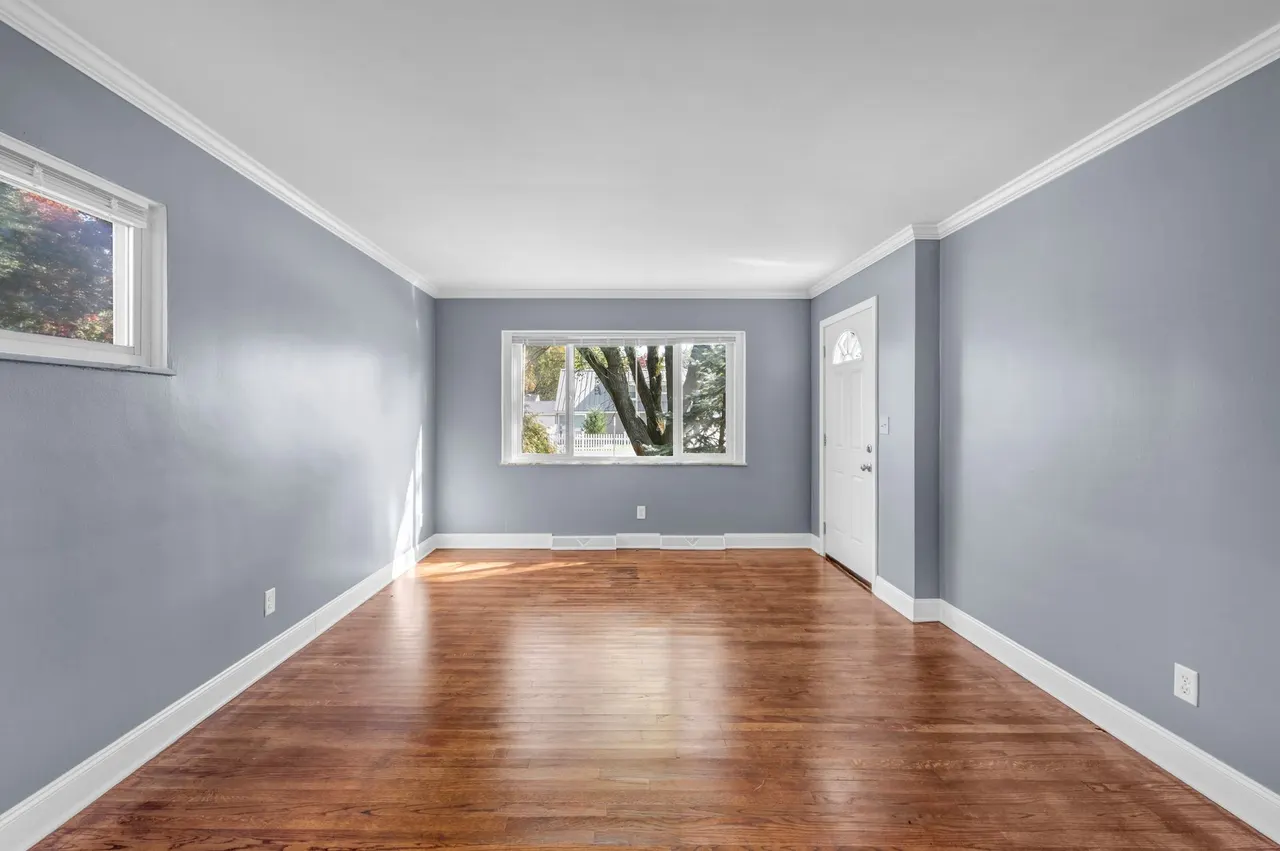
We use thermal imaging and air sampling to trace the odor to its source. We test the air in suspect areas and identify the mold species. You get a clear answer and a plan to remove it. Musty smells mean mold is growing somewhere. Ignoring it lets mold spread and damage your home and health.

We test for mold spores, allergens, and chemicals. The lab report shows exactly what is in your air. We then recommend fixes like better ventilation, dehumidifiers, or remediation. If you sneeze, cough, or get headaches only at home, your indoor air is the problem. Mold, dust mites, and VOCs are common triggers.
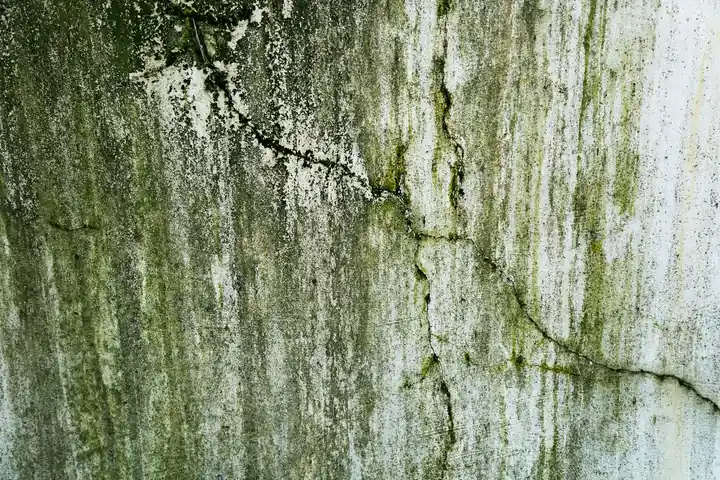
We take surface and air samples to identify the mold. We also find the moisture source with meters and thermal cameras. You get a report that guides safe removal and prevents recurrence. Visible mold means moisture is trapped. It will keep growing until the water source is fixed. Some molds are toxic and dangerous.
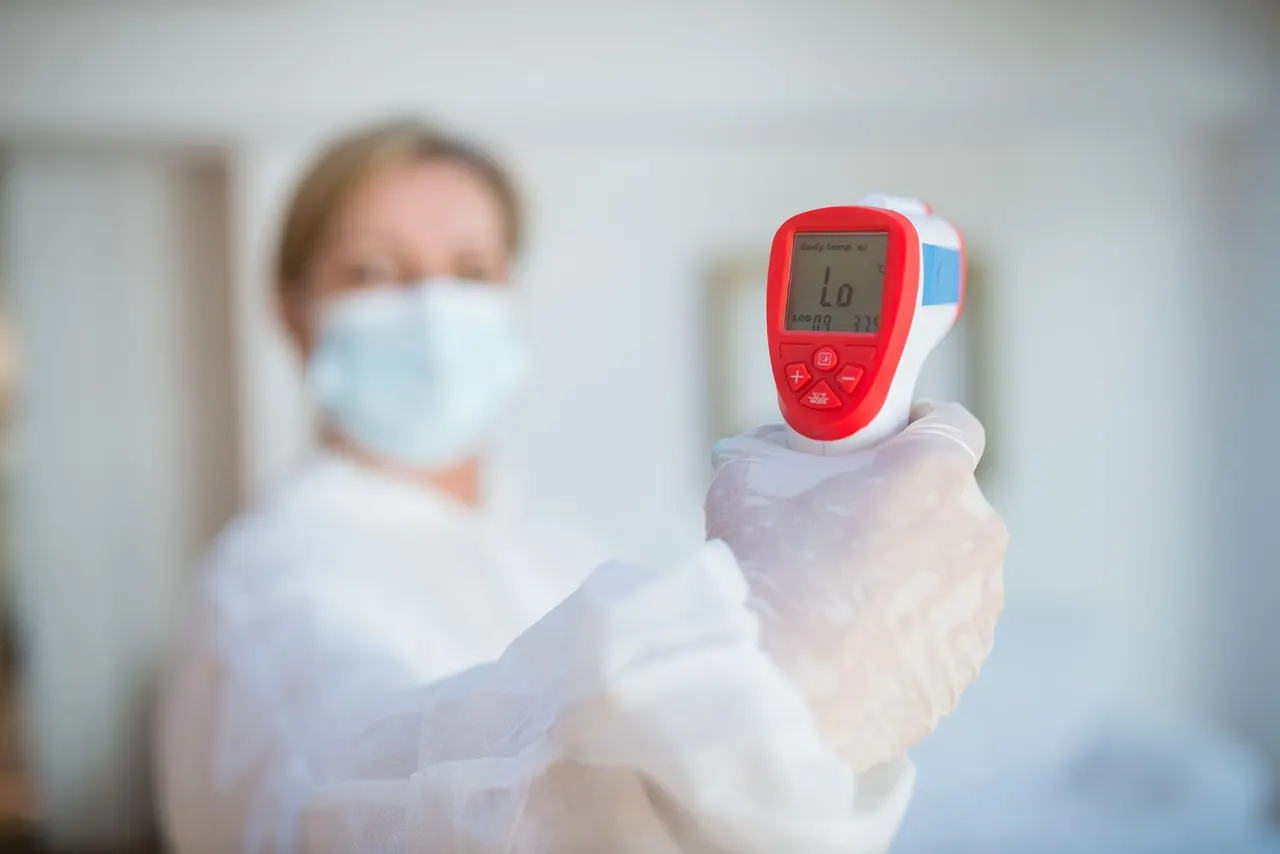
We test air and surfaces for mold after any water event. Our report documents conditions for insurance and helps you decide if remediation is needed. We also check humidity to ensure drying was complete. Mold can start growing within 24 to 48 hours after water damage. If not dried properly, it becomes a chronic problem.
We use thermal imaging cameras and boroscopes to see behind walls and under floors where mold hides. A single air sample can detect spores from a leak you did not know existed. You get lab results in 24 to 48 hours, not weeks.
Mold spores, dust mites, and VOCs trigger allergies, asthma, and headaches. Testing identifies exactly what is in your air so you can fix the source. One customer in Northeast Meridian cut her son's asthma attacks in half after we found and removed attic mold.
Buying or selling a home in Meridian? A professional air quality testing Meridian ID report gives you written proof of conditions. We provide chain of custody forms and lab results that satisfy lenders, inspectors, and attorneys. No guesswork, just data.
Testing before remediation tells you exactly where the problem is and how bad it is. That means contractors do not tear out walls that are dry. A $300 test can save you thousands by scoping the job correctly the first time.
Clear records you can keep and share.
Detailed spore counts and mold genera.
Images of problem areas and moisture readings.
Clear steps to fix the problem and prevent recurrence.
Air quality testing is not just for visible mold. It finds hidden problems that affect your health and your home's value.
The lab counts mold spores per cubic meter of air. High counts mean mold is actively growing somewhere. We compare indoor and outdoor levels to see if your home has a problem.
Mold needs moisture to grow. Testing alone does not fix the problem. We find the moisture source so you can stop it and prevent mold from returning.
A written report with lab data is proof of conditions. It helps with real estate deals, insurance claims, and legal matters. We provide chain of custody forms for every sample.
Outside these areas? Call and we will let you know if we can help. (208) 823 1178
Most home air quality test Meridian Idaho jobs run $250 to $550 depending on the number of samples and property size. A basic test with two air samples and one outdoor control starts at $250. Larger homes or commercial buildings with multiple problem areas can run $600 to $900. We give you a flat quote before we start.
We test for mold spores, pollen, dust mites, pet dander, carbon monoxide, carbon dioxide, and volatile organic compounds. Our lab analysis identifies mold genera like Aspergillus, Penicillium, and Stachybotrys (black mold). We also measure humidity levels and particulate matter. The report tells you exactly what is in your air and at what concentrations.
Yes. Air sampling captures mold spores floating in the air, even if you cannot see growth. We also use moisture meters and thermal imaging to find hidden mold behind walls or under floors. If spores are present, the lab identifies them. We then trace the moisture source so you can fix the problem, not just the symptom.
On-site testing takes two to four hours for a typical home. Sample collection itself is quick, but we spend time inspecting crawl spaces, attics, and HVAC systems. Lab results come back in 24 to 48 hours. You get a full written report within one business day of receiving lab data.
Do not wait if you smell something musty or see water damage. Mold spreads fast. Call us at (208) 823 1178 to book same-day or next-day testing. We give you honest answers and lab results you can trust.
Call us at (208) 823 1178 or email info@moldtestingmeridianid.com to schedule your inspection. We answer calls Monday through Friday from 8:00 AM to 6:00 PM. If you reach us after hours, leave a message and we will call you back first thing the next morning.