Lab report
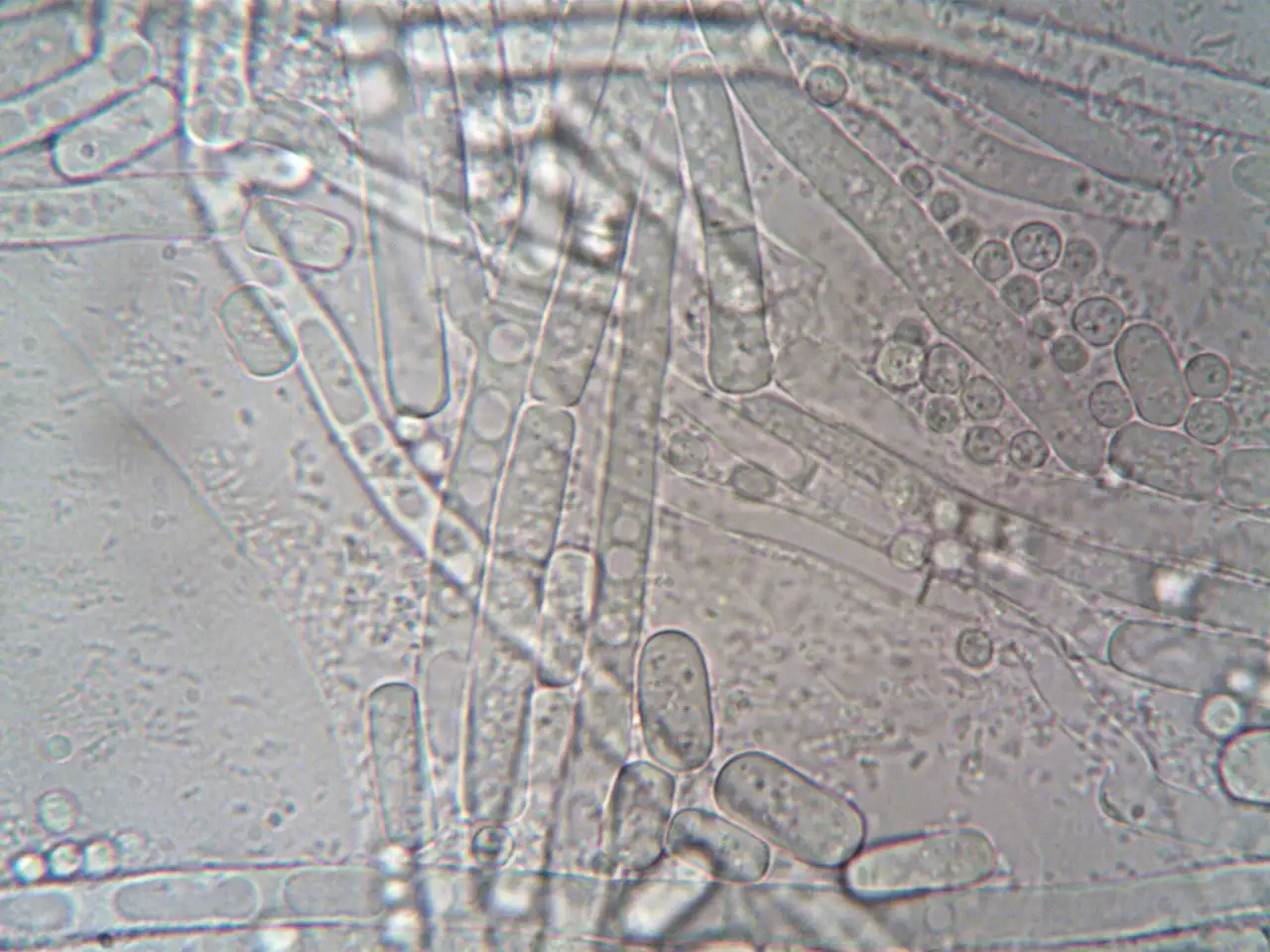
Species identification and spore counts.
Crawl Space Mold Testing in Meridian is the fastest way to find out whether that musty smell under your floor is active mold growth or just damp wood. We inspect the full crawl space, take air and surface samples, and send them to an accredited lab. If you own a home in Ada County, this test gives you a clear answer in 24 to 48 hours.
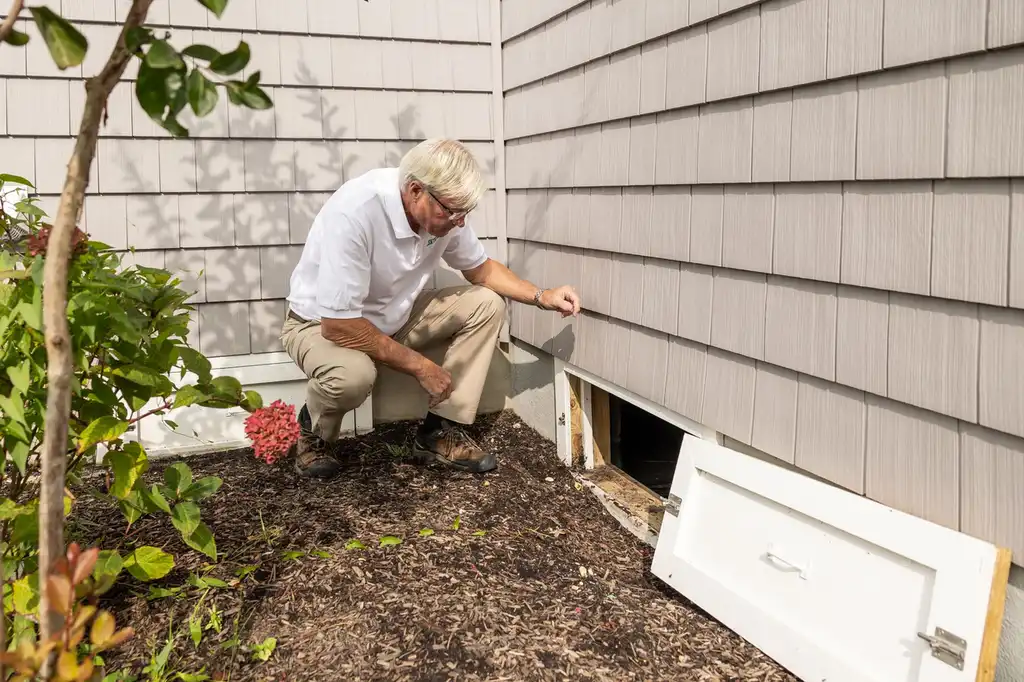
Our standard crawl space mold testing package covers a full visual inspection, moisture and thermal mapping, and lab analysis of air and surface samples. If you need additional sampling or a broader inspection, we can add that on site.
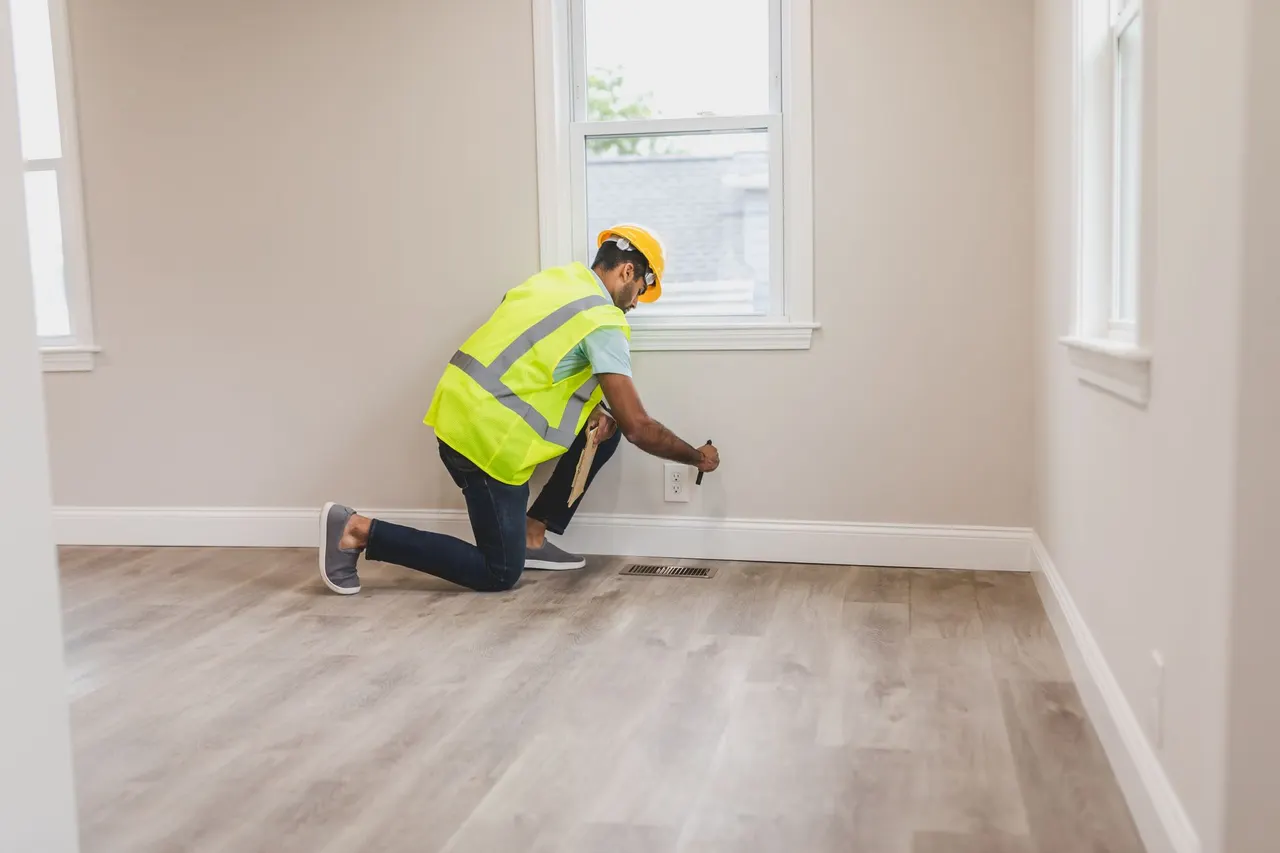
We test crawl spaces in houses across Meridian to find mold and moisture problems. You get lab results and a clear report you can use for repairs or real estate.
We test crawl spaces under commercial buildings to protect indoor air quality. Property managers use our reports to plan maintenance and document conditions.
Crawl Space Mold Testing in Meridian is a diagnostic service that determines whether mold is growing in the unconditioned space beneath your home, what species it is, and how far it has spread. We start with a visual inspection of the joists, subfloor, insulation, and vapor barrier. Then we use a moisture meter and thermal imaging camera to find hidden damp spots. Finally, we collect air samples with an SKC pump and Air-O-Cell spore trap cassettes, plus surface samples with tape lift kits or swabs. Everything goes to a third-party lab for analysis.
Meridian sits in the Treasure Valley, where winter inversions trap moisture and summer irrigation keeps the soil under homes damp for months. That combination makes crawl space mold common in neighborhoods like Northeast Meridian and Southeast Meridian. If you have noticed a musty odor, seen dark staining on floor joists, or had a plumbing leak under the house, a crawl space mold inspection Meridian Idaho homeowners rely on will tell you exactly what you are dealing with. We also test for hidden mold behind walls when the crawl space shows elevated spore counts.
We test the crawl space, document the findings, and explain what needs to happen next.
Every crawl space is different, but our process follows the same five steps. You get a clear scope, a scheduled visit, and a written report with lab data. Most jobs take two to four hours on site.

We start with a short phone call to understand your situation. You describe the smell, any visible growth, recent water events, and the age of your home. We ask about the crawl space access point and whether anyone has been under the house recently. This helps us bring the right tools and schedule enough time. You get a clear price before we arrive.

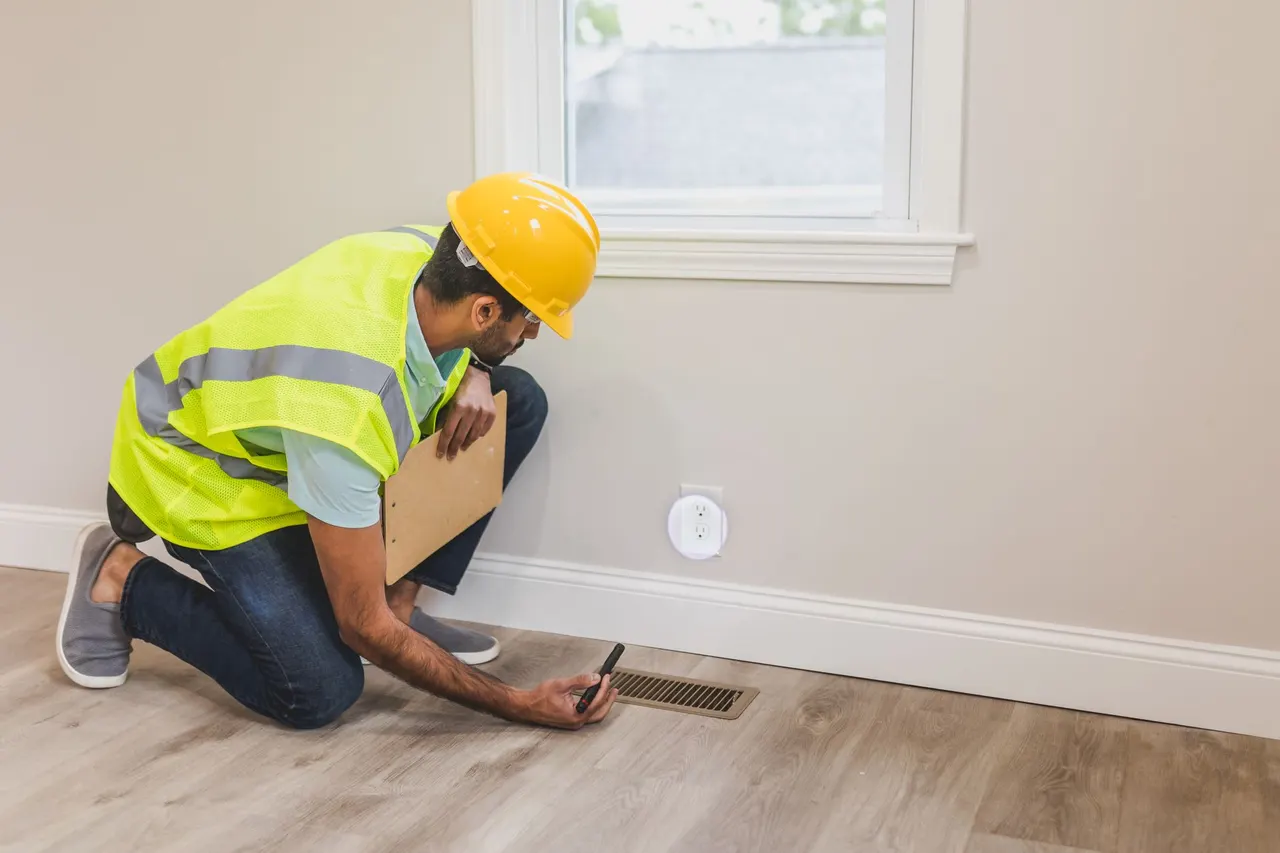
On site, we put on PPE coveralls and enter the crawl space. We inspect the vapor barrier, floor joists, subfloor, insulation, plumbing lines, and foundation walls. We look for dark staining, white powdery growth, and water stains. We also check for standing water, pest damage, and disconnected ductwork. Every finding gets photographed and noted.
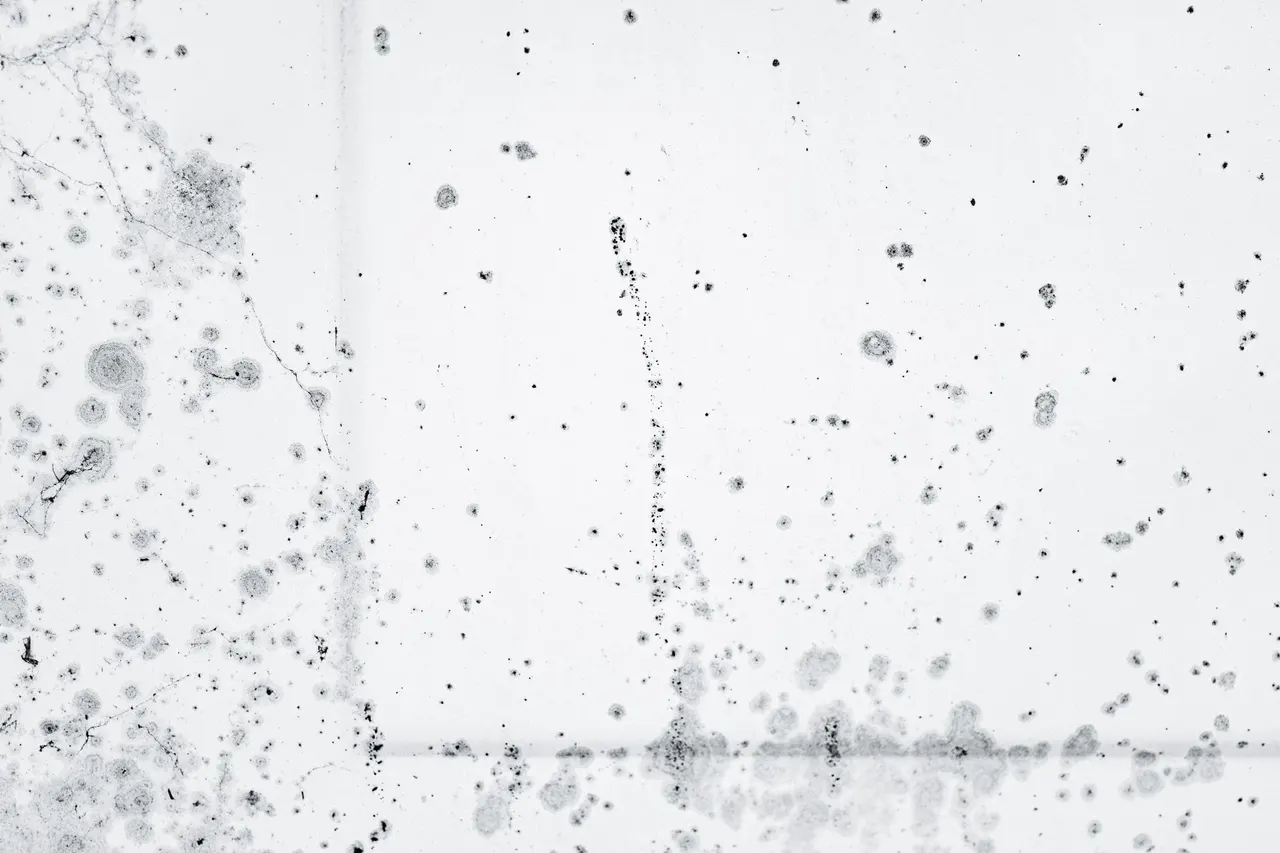
We use a Delmhorst moisture meter and a FLIR thermal imaging camera to find damp areas that are not visible to the eye. Moisture reading pins let us check wood content directly. We map readings across the crawl space so you can see which sections are wet and which are dry. This step often reveals hidden leaks or poor drainage.
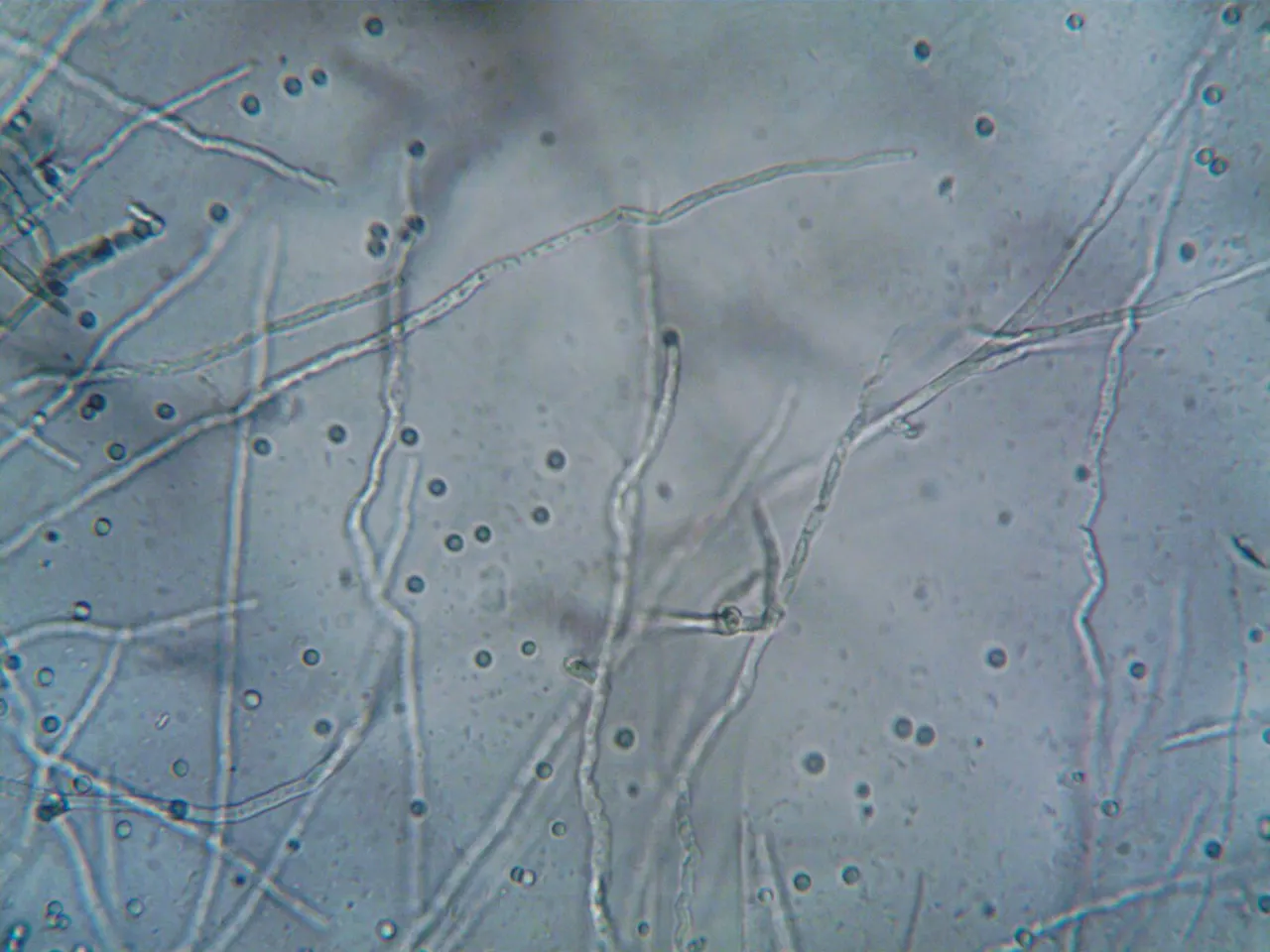
We set up an SKC air sampling pump with an Air-O-Cell spore trap cassette to capture airborne spores. We also take surface samples using tape lift slides or swabs from areas with visible growth. For hidden areas, we use a boroscope to inspect behind insulation and inside wall cavities. Samples go into sealed transport containers with chain of custody forms.
Samples ship to a third-party lab for analysis. Results typically come back in 24 to 48 hours. We review the report with you by phone or email, explaining the mold species, spore counts, and what they mean for your home. You get a written summary with photos, moisture maps, and lab data. If remediation is needed, we explain your options.
Detects temperature differences caused by moisture. Wet areas show up as cool spots, helping us find hidden leaks without tearing into walls.
Measures moisture content in wood and other materials. We use it to check joists, subfloor, and insulation for dampness.
Draws air through a spore trap cassette to capture airborne mold spores. This gives us a sample of what is floating in the crawl space air.
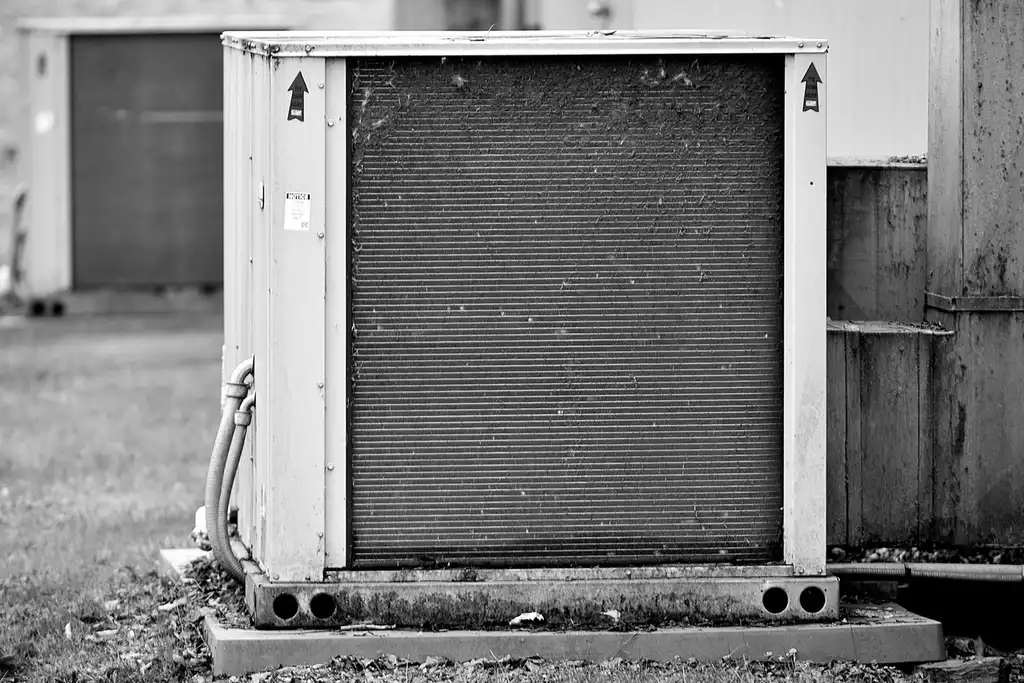
Collects airborne spores for lab analysis. The cassette is sent to a lab where spores are counted and identified by species.
Allows us to see inside wall cavities and behind insulation without major demolition. We use it to check for hidden mold in areas we cannot access visually.
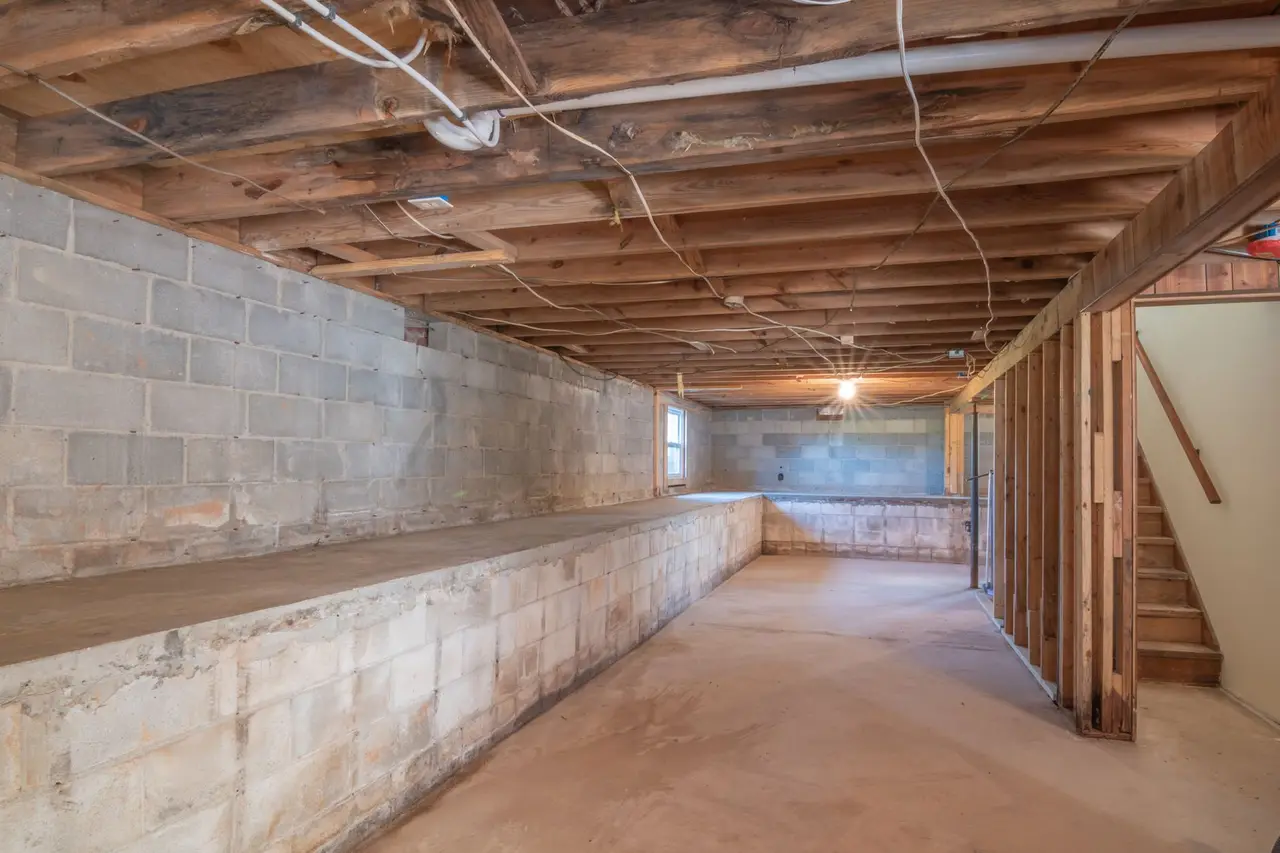
Measures relative humidity and temperature. High humidity is a key indicator of mold risk, even without visible growth.

We take moisture readings at multiple points across the crawl space and create a map. This shows where water is entering and how far it has spread. It helps you target repairs and drying efforts.

We scan the crawl space with a thermal camera to find temperature anomalies. Cool areas often indicate moisture. This method finds hidden leaks that a visual inspection would miss.
We perform a full crawl space mold test with air and surface sampling. You get lab results and a written report you can use in negotiations. This helps you understand the cost of any needed remediation before you close. You make an informed decision about the purchase and avoid unexpected repair costs.
We test for mold and moisture to see if growth has started. Even if you dried the space, hidden dampness can remain. Our thermal camera and moisture meter find areas that look dry but are not. You catch mold early or confirm the space is dry, saving money on remediation.
We inspect the crawl space and take air samples. The musty smell often comes from mold growing on wood or insulation. Lab analysis identifies the species and spore count. You know exactly what is causing the smell and how to fix it.
We provide objective testing with lab documentation. The report shows whether mold is present and what caused it. You can use it to address the issue and document your response. You resolve the complaint with clear data and protect your investment.
Meridian's climate creates specific challenges for crawl spaces. Winter inversions trap moisture near the ground, and summer irrigation keeps soil damp. Many homes in Northeast Meridian and Southeast Meridian have crawl spaces with poor ventilation, which makes mold more likely. We also see problems in older homes near Downtown Meridian where vapor barriers may be missing or damaged. When we perform crawl space mold testing in Meridian, we account for these local conditions. We check for high humidity, poor drainage, and disconnected ductwork. If you are searching for crawl space mold testing in Northeast Meridian ID, we know the building styles and common issues in that area. Our reports include recommendations tailored to Treasure Valley weather, like improving ventilation or adding a dehumidifier. We also offer crawl space mold testing and encapsulation Meridian ID guidance if you plan to seal the space after remediation.
A homeowner in Northeast Meridian noticed a musty smell in the living room. The crawl space had visible dark staining on joists and high humidity. They had not had any leaks but the space smelled damp.
We tested and found Cladosporium and Penicillium spores. Moisture mapping showed high humidity near foundation vents. After improving ventilation and adding a dehumidifier, follow-up testing showed spore counts back to normal levels.
The homeowner runs a dehumidifier from October through April and checks the crawl space every spring. They also keep foundation vents clear of debris.
A pipe burst under a home in Southeast Meridian, flooding the crawl space. The homeowner dried it with fans but worried about mold. Two weeks later, they called us for testing.
Air samples showed elevated Aspergillus/Penicillium spores. Surface samples confirmed active mold on subfloor. We provided a report that guided remediation. After cleanup, clearance testing showed normal spore levels.
The homeowner now checks the crawl space after any plumbing work and keeps a moisture meter on hand. They also sealed the vapor barrier to prevent future issues.
A buyer was under contract on a 1950s home in Downtown Meridian. The inspection report noted crawl space moisture but no visible mold. The buyer wanted certainty before closing.
We performed crawl space mold testing and found no active mold, but high humidity and bare soil. The report recommended a vapor barrier and ventilation improvements. The buyer used the report to negotiate repairs.
The new owner installed a vapor barrier and added a dehumidifier. Annual testing confirmed the crawl space stayed dry and mold-free.
Crawl space mold is often a symptom of a bigger moisture problem. We identify the mold and the source so you can fix it correctly.
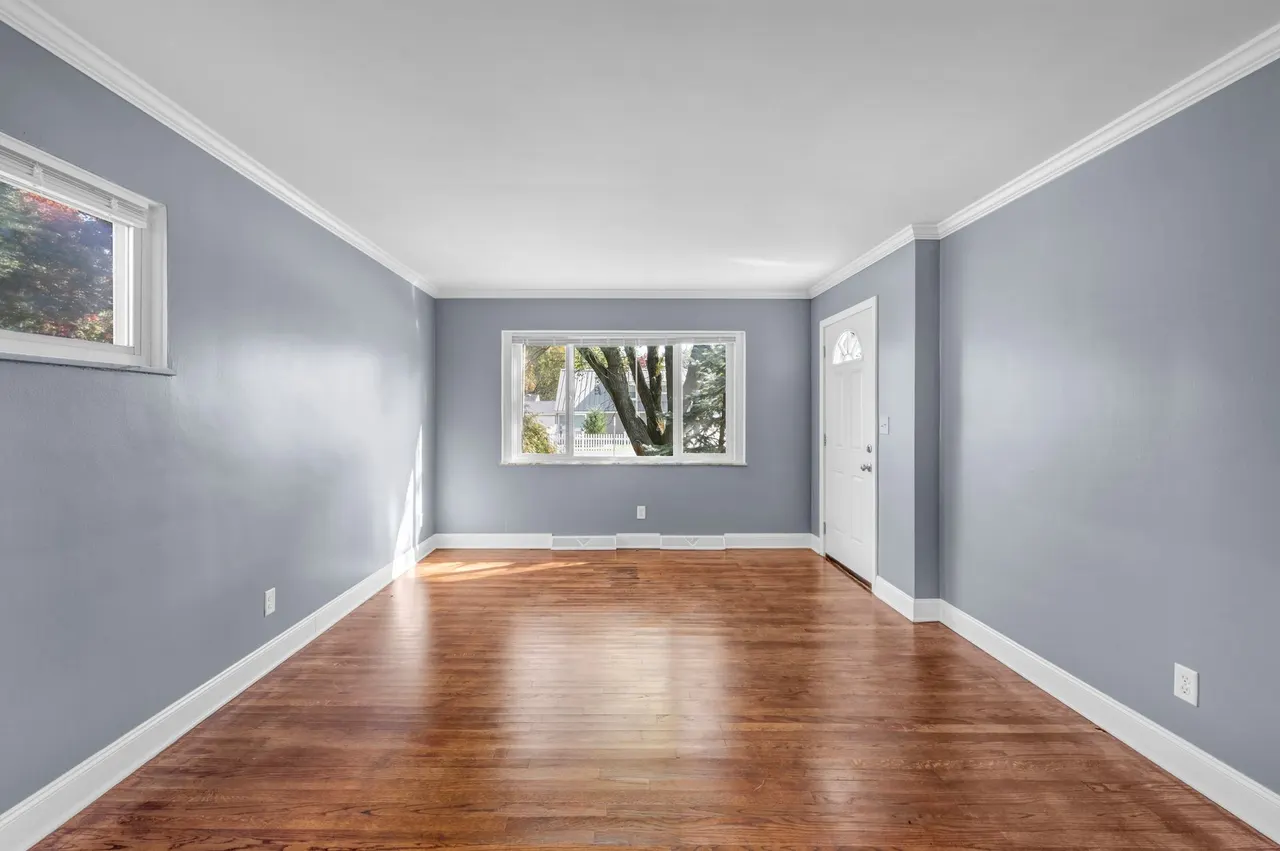
We test the crawl space to confirm whether mold is present and identify the species. If mold is found, we map the moisture source so you can fix the root cause, not just the smell. Musty smells indicate active mold or high humidity. Ignoring it can lead to health issues and structural damage over time.

We take surface samples to identify the mold species and air samples to measure spore counts. Our report tells you whether it is toxic black mold and what remediation steps are needed. Black mold on wood can weaken structural members and release spores into your home. It often indicates a long-term moisture problem.
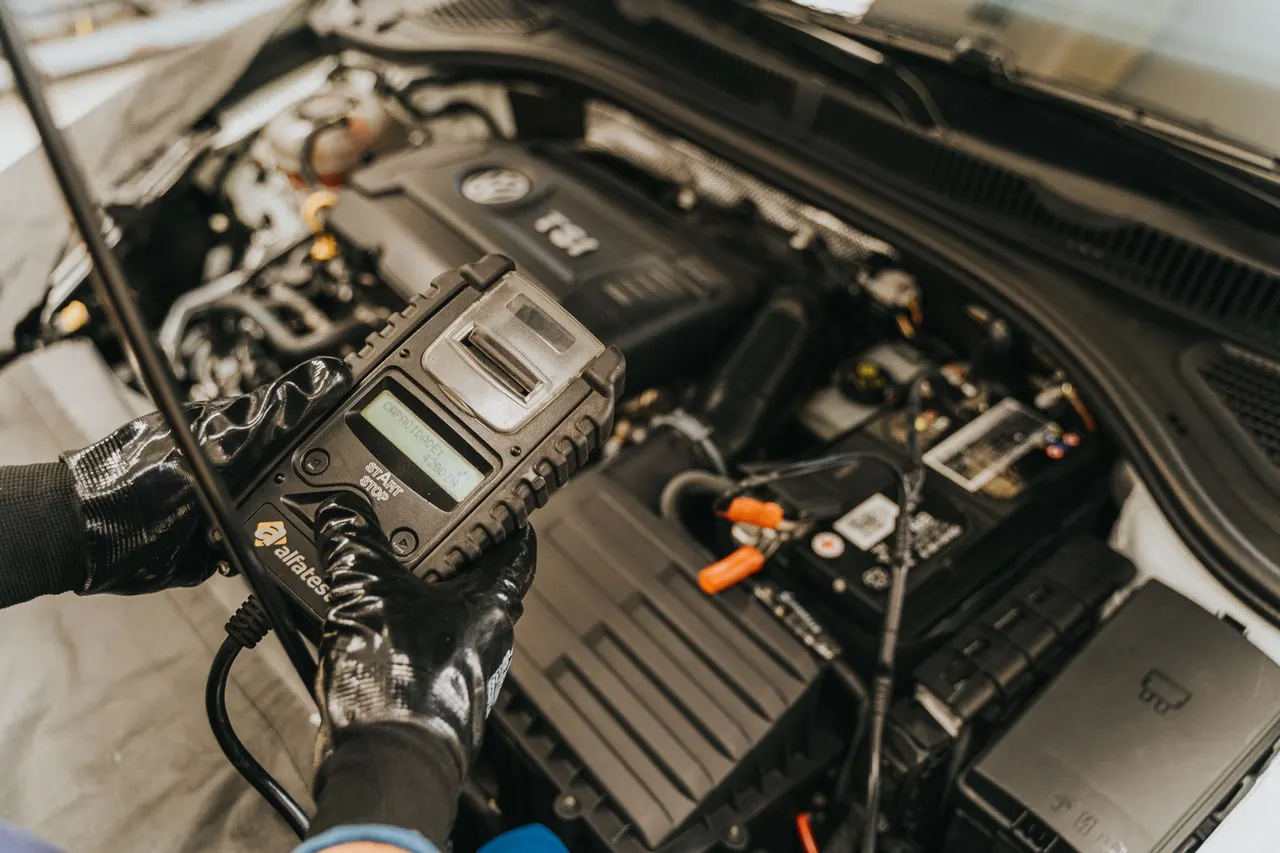
We use hygrometers to measure humidity levels and moisture meters to check wood content. If conditions are right for mold, we recommend ventilation or dehumidification before growth starts. High humidity alone can cause mold to start growing within days. If left unchecked, you may come home to a full-blown mold problem.
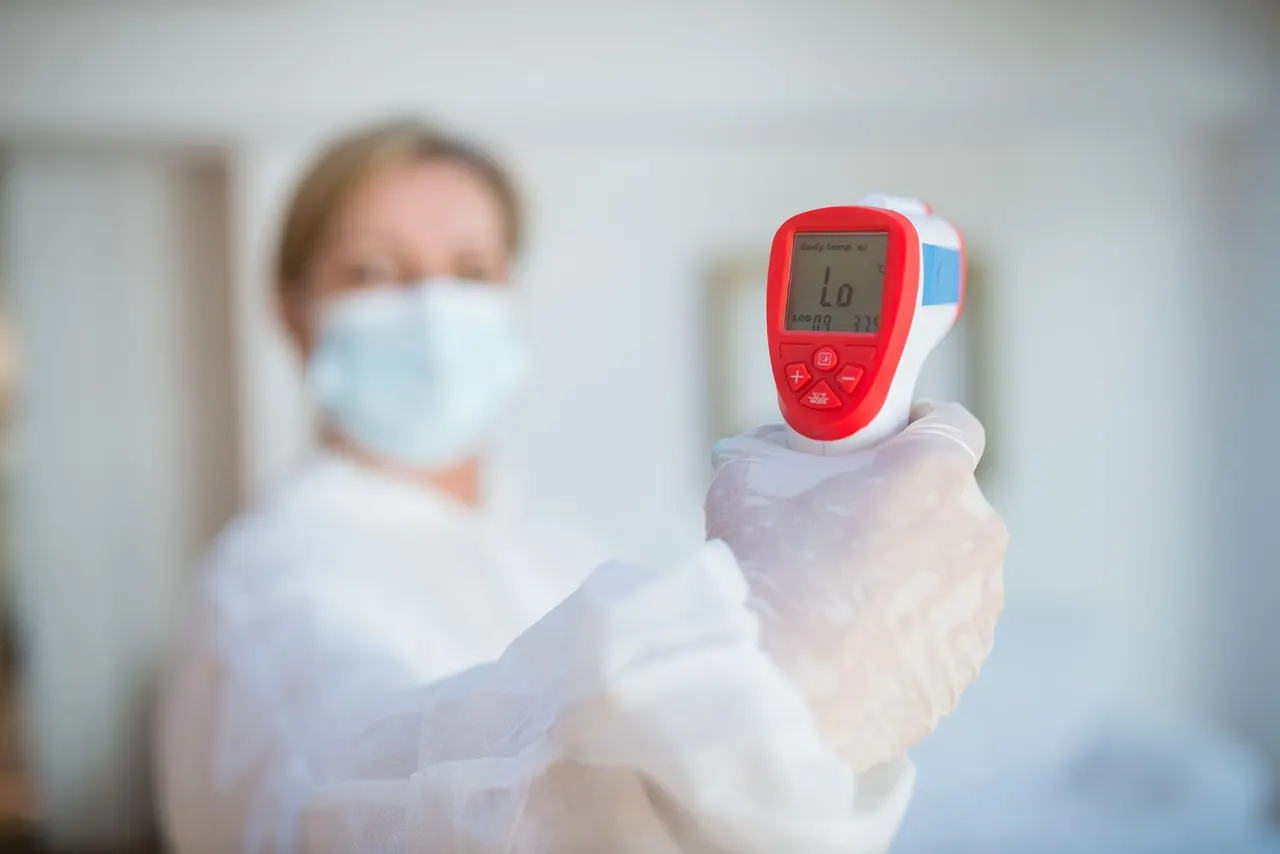
We test for mold and moisture after any water event. If mold has started, we document the extent. If not, we give you a clear plan to dry out the space and prevent future growth. Water in the crawl space creates ideal conditions for mold. Mold can start growing within 24 to 48 hours after a leak.
Crawl space mold releases spores that travel upward through gaps in the subfloor. If someone in your home has unexplained allergies, asthma flare-ups, or recurring sinus issues, the crawl space is a common culprit. Testing identifies the mold species and spore count so you know whether it is a health concern or a cosmetic issue.
Mold feeds on wet wood. Over time, it breaks down floor joists and subfloor panels, leading to sagging floors and expensive repairs. A crawl space mold test near me Meridian homeowners schedule early can catch rot before it compromises the structure. We map moisture readings so you can see exactly which areas need attention.
If you are buying or selling a home in Meridian, a crawl space mold sampling Meridian report gives both sides clear information. We provide lab results and a written summary you can attach to inspection documents. This prevents last-minute surprises and helps negotiations move forward without guesswork.
A musty odor in the living room often traces back to the crawl space. Instead of masking it with air fresheners, we find the source. Our crawl space mold detection Meridian ID process uses particle counters and hygrometers to confirm whether the smell is active mold, dry rot, or just high humidity. You get a definitive answer.
Clear records you can keep and share.
Species identification and spore counts.
Visual map of damp areas in crawl space.
Images of visible growth and problem areas.
Mold testing is not the same as remediation. Testing tells you what is there and how much. Remediation removes it. You need testing first to know the scope.
Testing identifies mold and moisture. Remediation cleans it up. We only test, so we have no incentive to find mold where there is none.
Air samples show what is floating in the air. Surface samples confirm what is growing on materials. We often use both to get a complete picture.
Test after any water leak, flood, or if you smell musty odors. Testing before remediation ensures you know the full scope of the problem.
Outside these areas? Call and we will let you know if we can help. (208) 823 1178
Most crawl space mold testing in Meridian costs between $300 and $650 depending on the size of the crawl space and how many samples we take. A basic test with one air sample and one surface sample runs on the lower end. Larger homes or spaces with multiple problem areas may need additional samples, which adds to the cost. You get a firm price before we schedule.
We start with a visual inspection using a moisture meter and thermal imaging camera to find damp areas. Then we collect air samples with an SKC pump and Air-O-Cell cassettes, plus surface samples with tape lift kits or swabs. Samples go to a third-party lab for analysis. Results come back in 24 to 48 hours with species identification and spore counts.
Meridian Mold Testing provides crawl space mold testing across Ada County. We have been in business since 2010 and hold certifications from IICRC and ACAC. We serve all Meridian neighborhoods, including Downtown Meridian, Northeast Meridian, Southeast Meridian, and Southwest Meridian. Call (208) 823 1178 to schedule.
On-site testing usually takes two to four hours for an average crawl space. Larger homes or spaces with limited access may take longer. Lab analysis adds 24 to 48 hours. If you need results faster, ask about rush processing when you schedule. We can often accommodate same-day crawl space mold testing Meridian requests.
If you smell something musty or see dark stains under your house, do not wait. Call Meridian Mold Testing at (208) 823 1178 to schedule crawl space mold testing in Meridian. We offer same-day appointments when available and provide lab results within 48 hours.
Call us at (208) 823 1178 or email info@moldtestingmeridianid.com to schedule your inspection. We answer calls Monday through Friday from 8:00 AM to 6:00 PM. If you reach us after hours, leave a message and we will call you back first thing the next morning.