Mold Testing in Tuscany for Homes and Businesses

Mold Testing in Tuscany is how you find out what is actually growing in your home before it spreads. We inspect Tuscany North, Tuscany South, Tuscany East, and Tuscany West, sample the air and surfaces, and hand you lab results you can act on. If you have smelled something musty or spotted a stain, call us and we will tell you what it is.

  • Address1130 S Rackham Way #300, Meridian, ID 83642, USA, Meridian, Idaho
  • Phone(208) 823 1178
Mold Testing in Tuscany

Serving Tuscany and nearby

  • Readings shown on siteYou see the numbers as we work
  • Samples logged same dayChain of custody forms included
  • Report written for homeownersPlain language, photos included
  • Lab results in 24-48 hoursWe call you when they arrive

Mold Testing in Tuscany Built on Local Experience

Tuscany sits in Ada County, ZIP code 83646, and the housing stock here is not simple. Upscale homes with complex HVAC systems, irrigation and water features, and tight building envelopes hold moisture in places a flashlight will never reach. That is why Mold Testing in Tuscany starts with moisture mapping, not guesswork. We have worked this area since 2010, and we know how Tuscany North, Tuscany South, Tuscany East, and Tuscany West homes are built and where they fail. A Tuscany mold inspection means we walk the property with a moisture meter and thermal imaging camera, check the crawl space and attic, and sample the air with a Zefon Air-O-Cell spore trap cassette. If you are searching for mold testing near Tuscany, you want someone who has been inside these houses before. We have.

Tuscany has a specific moisture profile. Summer humidity climbs, irrigation runs daily, and water features sit close to foundations. Crawl space mold is common because vented crawls pull in damp air all season. We serve this area because the demand is real and the fixes are not guessable. Homeowners near Tuscany Park and Tuscany Elementary School call us after a slow leak, a roof repair, or a bathroom remodel that never dried out. We show up, measure, sample, and explain what we found in plain language.


Mold Testing Services Available in Tuscany

Tuscany homeowners call us for the same handful of reasons: a musty smell in a bedroom, a stain on the ceiling below an upstairs bath, or a crawl space that stays damp all summer. If you need affordable mold testing in Tuscany ID, we keep the scope tight and the results clear. Every job starts with a walkthrough and ends with a written report you can hand to a contractor, a buyer, or your insurance company.

How each service works in Tuscany

Mold Inspection in Tuscany

Mold Inspection in Tuscany

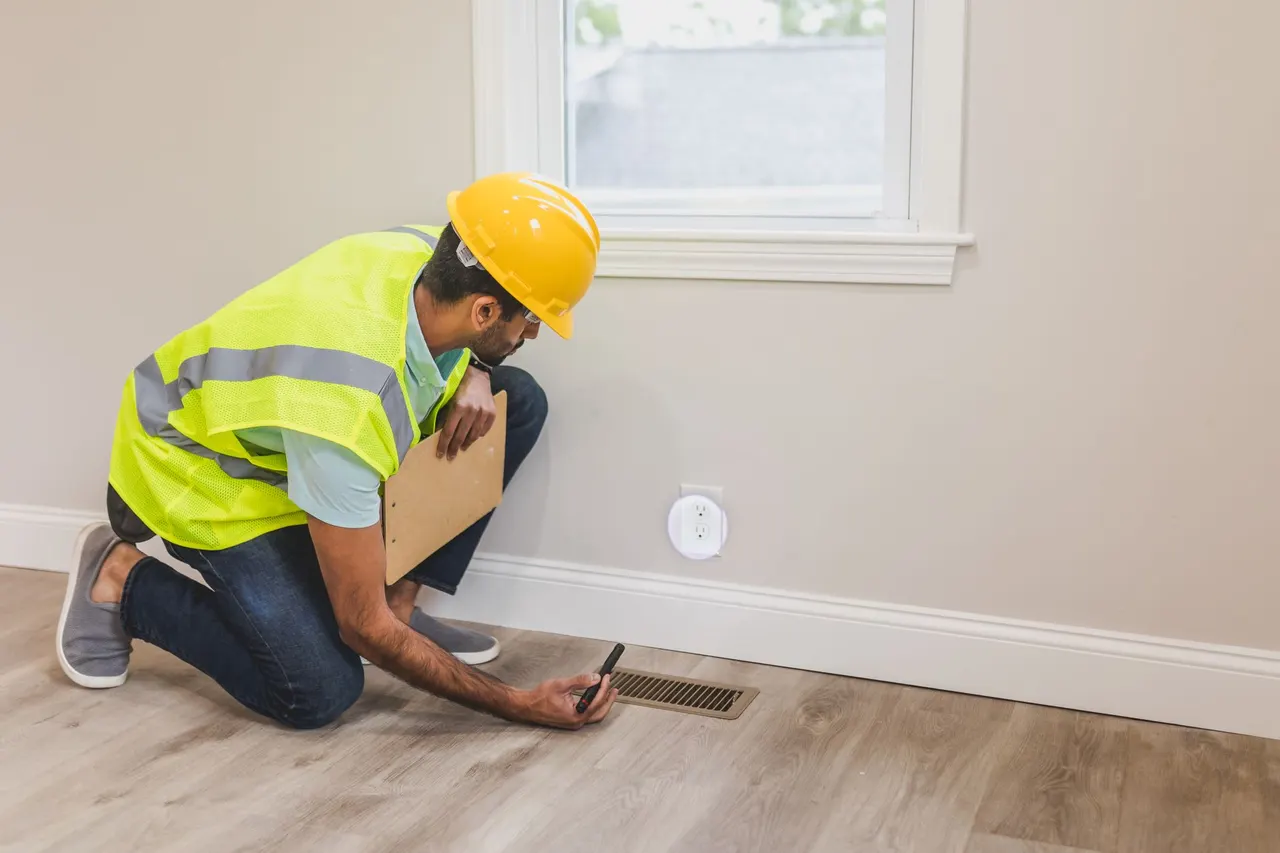
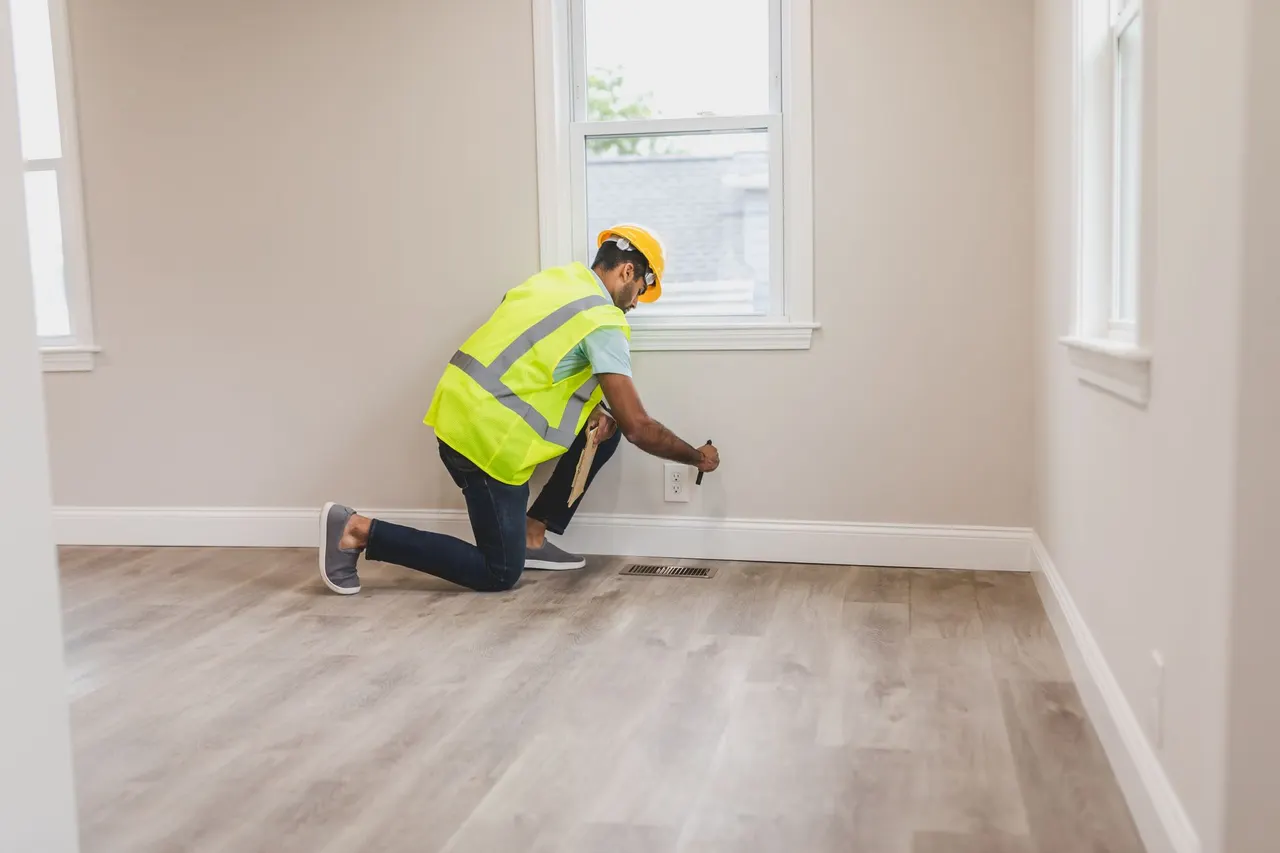
We walk your Tuscany home from crawl space to attic and measure moisture with a Delmhorst meter. Thermal imaging helps us find cool spots behind walls and under floors. You get a written report with photos and sample locations.

  • Crawl space and attic checked
  • Moisture mapped room by room
  • Written report with photos
For homes in Tuscany

For homes in Tuscany

We test single-family homes, townhomes, and custom builds across Tuscany. Crawl spaces, attics, basements, and HVAC systems are all part of the inspection.

  • Crawl space mold testing
  • Attic mold testing
  • Basement mold testing
  • HVAC and ductwork testing
For businesses in Tuscany

For businesses in Tuscany

We test offices, retail spaces, and light industrial buildings around Tuscany Village Center. After-hours scheduling is available so we do not disrupt your business.

  • Office and retail spaces
  • Property management portfolios
  • Post-remediation clearance
  • Real estate transactions

Common Mold Problems in Tuscany

Tuscany has a specific set of mold problems that come from the climate, the building stock, and the way water moves through the neighborhood. Summer humidity, irrigation, and complex HVAC systems all play a role. If you are looking for mold testing services Tuscany homeowners trust, these are the issues we see most.


  • Crawl space mold from summer humidity

    Crawl space mold from summer humidity

    Vented crawl spaces pull in humid summer air from June through September. The moisture condenses on cooler joists and insulation, and mold grows within weeks. Tuscany South and Tuscany West have the most vented crawls, so they see this most often. We measure moisture content in the framing with a Delmhorst meter, sample the air above the soil, and take surface samples from any growth. If the vapor barrier is incomplete, we document it so you can fix the cause, not just the mold.

  • HVAC mold in air handlers and ductwork

    HVAC mold in air handlers and ductwork

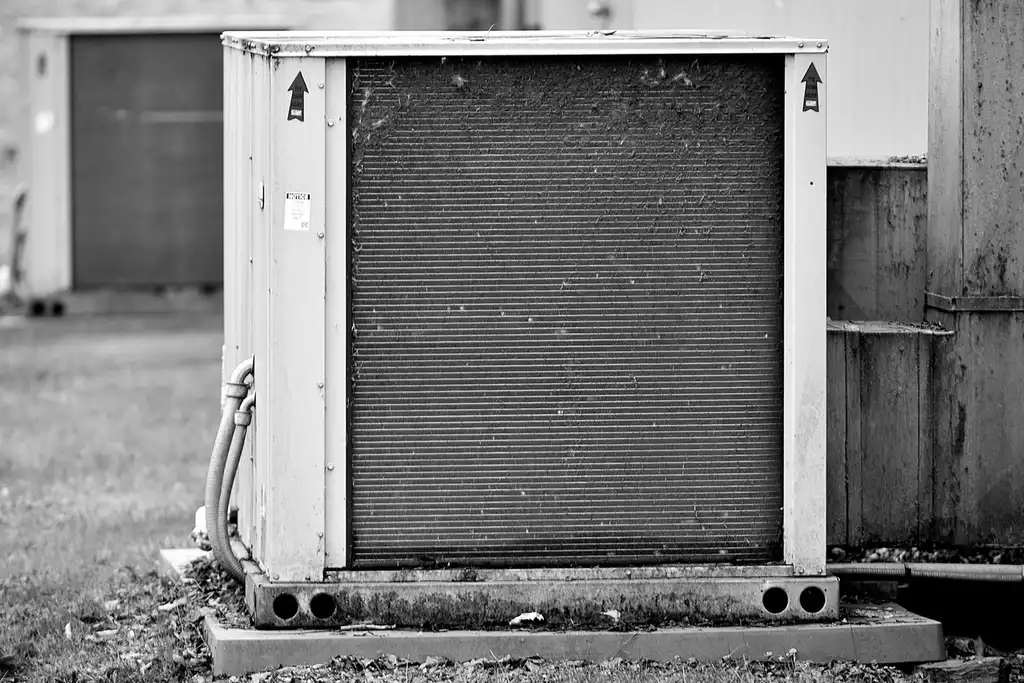
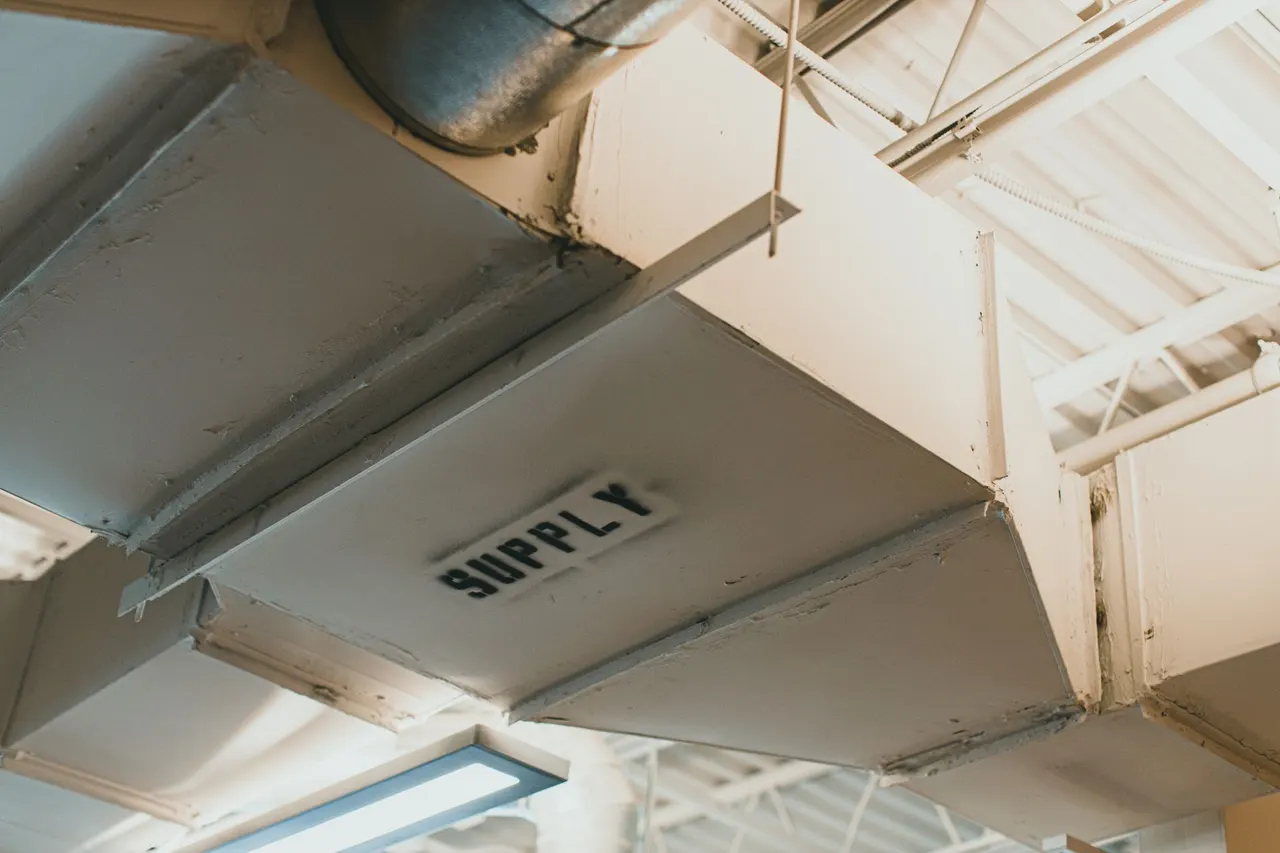
    Tuscany homes often have multi-zone systems with air handlers in attics or mechanical closets. A dirty evaporator coil or a drain pan that does not fully drain stays wet and grows mold. That mold then spreads through the supply air to every room. We inspect the air handler, coil, and drain pan, then sample the supply air with an Air-O-Cell cassette. If the supply air has higher spore counts than the return air, the HVAC is the source. We document it and recommend the fix.

  • Wall cavity mold behind bathroom walls

    Wall cavity mold behind bathroom walls

    Bathrooms in Tuscany East and Tuscany North often have showers over living spaces. When a shower pan or supply line fails, water travels into the wall cavity and ceiling below. Mold grows behind the drywall where you cannot see it until the stain appears. We use thermal imaging to find cool, damp areas, then a boroscope through a small access hole to inspect and sample. This confirms mold behind the wall without tearing it open. The report gives you what you need to plan the repair.

  • Basement mold after slow leaks

    Basement mold after slow leaks

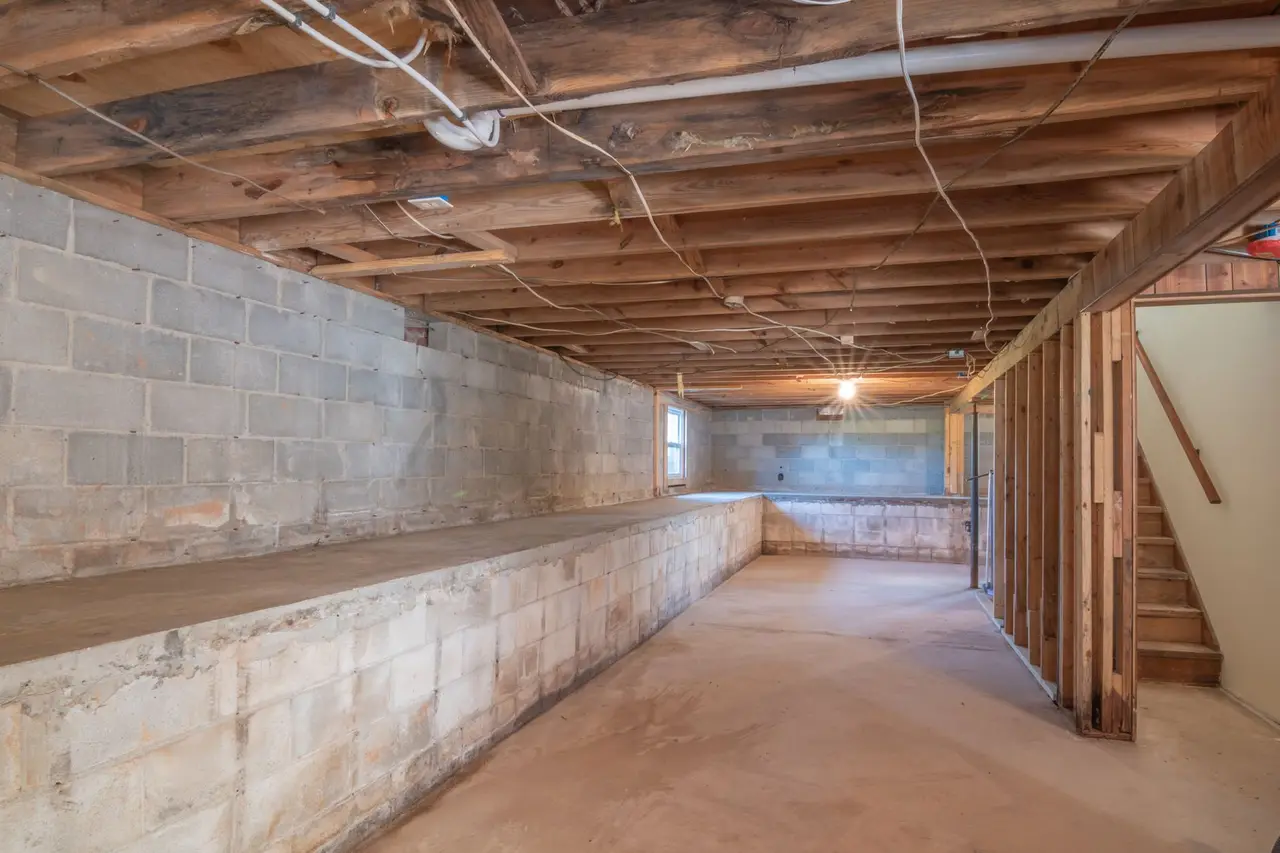
    Finished basements in Tuscany North and Tuscany West are vulnerable to slow leaks from irrigation, sump failures, or foundation cracks. The water sits behind the drywall and baseboards, and mold grows quietly. By the time you smell it, the growth is often widespread. We map moisture along the base of the walls with a Protimeter, then sample the wall cavity and the air. If the leak is active, we document the source. If the mold is already there, the lab result tells you the species and the extent.

Signs You Need Mold Testing in Tuscany

Musty odors, dark stains, damp crawl spaces, and recent water damage are the signs Tuscany homeowners call us about most.

  • Musty odor that returns after cleaning

    A musty smell that comes back after you clean is a sign of active mold growth somewhere you cannot see. In Tuscany homes, the source is often a crawl space, a wall cavity, or an HVAC closet. Cleaning the air does not fix it. Sampling does.

  • Dark staining on walls or ceilings

    Dark staining on drywall or ceiling tiles usually means water has been sitting there long enough for mold to grow. In Tuscany East, we often find this below a bathroom with a failed shower pan. The stain is the visible part. The mold behind it is the problem.

  • Crawl space has visible growth on joists

    Growth on crawl space joists is common in Tuscany South and Tuscany West because of summer humidity. Some of it is wood rot, some is mold. You cannot tell by looking. A surface sample and a moisture reading tell you what it is and whether it is active.

  • Humidity stays above 60 percent indoors

    Indoor humidity above 60 percent is the threshold where mold grows on most surfaces. If your hygrometer reads high in summer, your HVAC may not be keeping up. We measure humidity room by room and identify where the moisture is coming from.

  • Recent water damage or sewage backup

    Any water event, from a supply line leak to a sewage backup, can lead to mold within 48 hours. If the area was not fully dried and treated, mold may already be growing. We sample after the event to confirm whether the cleanup was complete.

How Mold Testing Is Executed in Tuscany

When we run Mold Testing in Tuscany, the process is the same whether you are in Tuscany North or Tuscany South. We start with a walkthrough and a conversation about what you have noticed. Then we map moisture with a Protimeter and Delmhorst meter, check for thermal anomalies with a FLIR camera, and sample the air with a Zefon Air-O-Cell cassette on a SKC pump. Surface samples go on tape lift slides or swabs, and everything ships to the lab in sealed containers with chain of custody forms. If you need same-day mold inspection in Tuscany, call before noon and we can usually get there that afternoon. We work around HOA architectural requirements, which means no holes in the exterior and no visible changes to the home. Access to crawl spaces and attics is part of the job, and we bring PPE coveralls and HEPA vacuum filters to keep dust contained.

  • High summer humidity drives crawl space mold

    From June through September, indoor humidity in Tuscany often climbs above 60 percent, and vented crawl spaces pull that damp air in. Mold grows on joists and insulation within weeks. We see this in Tuscany South and Tuscany West more than anywhere else. We measure moisture content in the crawl space framing with a Delmhorst meter and sample the air above the soil. If the vapor barrier is incomplete or the vents are pulling in humid air, we document it and recommend a fix. Sampling tells you whether mold is already growing, not just whether conditions are right for it.

  • Complex HVAC systems hide mold in the air handler

    Many Tuscany homes have multi-zone systems with air handlers in the attic or a mechanical closet. A dirty evaporator coil or a drain pan that does not fully drain becomes a mold source that feeds every room. Homeowners often smell it before they see it. We open the air handler, inspect the coil and drain pan, and sample the supply air with an Air-O-Cell cassette. If the coil is contaminated, the lab result will show elevated spore counts in the supply air compared to the return. That tells you the HVAC is the source, not the room.

  • Irrigation and water features keep foundations damp

    Tuscany has extensive irrigation and decorative water features. When a head is misaligned or a feature leaks, water sits against the foundation. That moisture wicks into the crawl space or basement and creates a mold problem that looks like it came from nowhere. We check the exterior grade and irrigation zones near the foundation during the inspection. Inside, we map moisture along the base of the affected wall. If the readings are high, we sample the wall cavity with a boroscope and tape lift kit to confirm whether mold has started.

  • Idaho state mold inspection license

    Idaho requires mold inspectors to hold a state license. We carry ours and can provide the credential type on request. This matters because unlicensed inspectors cannot legally provide the kind of report a real estate transaction or insurance claim needs.

  • IICRC S520 standard for mold remediation

    The IICRC S520 standard defines how mold remediation should be done and how clearance testing is performed. We follow it on every post-remediation job in Tuscany. If a contractor's work does not meet S520, our clearance test will show it.

  • OSHA respiratory protection standard 29 CFR 1910.134

    OSHA 1910.134 governs respirator use during mold inspection and remediation. We follow it on every job, which means our technicians are fit-tested and wear appropriate PPE. It also means we can work safely in crawl spaces and attics with high spore counts.

Navigating Tuscany: Landmarks We Use

Tuscany is easy to navigate once you know the landmarks. We use Tuscany Park and Tuscany Elementary School as our main orientation points when scheduling, since most streets in the neighborhood connect back to one of them. Tuscany Village Center is where we meet commercial clients, and Tuscany Golf Course helps us locate the larger lots on the west side. If you are giving us directions, mention the nearest landmark and we will find you.

  • Tuscany Park

    Tuscany Park sits near the center of the neighborhood and is a useful orientation point for scheduling. Streets on the north and south sides of the park connect to the main residential loops, which helps us route between jobs efficiently.

  • Tuscany Elementary School

    Tuscany Elementary School anchors the east side of the neighborhood. We use it as a reference point when scheduling around school traffic, since drop-off and pick-up can slow access to nearby streets between 8 and 9 a.m. and again in the afternoon.

  • Tuscany Village Center

    Tuscany Village Center is the commercial hub for the area. We meet commercial clients here and use it as a starting point when routing to nearby retail and office spaces. Parking is straightforward, which helps on multi-unit jobs.

  • Tuscany Golf Course

    Tuscany Golf Course is on the west side of the neighborhood and helps us locate the larger custom homes and lots that back up to the course. Those properties often have water features and irrigation systems that affect moisture readings.

  • Tuscany Village Center

    Tuscany Village Center is the main commercial district serving the neighborhood, with retail, offices, and service businesses. We handle commercial mold testing here for property managers and business owners who need after-hours scheduling.

  • Linder Road

    Linder Road is the main north-south route through this part of Meridian and provides direct access to Tuscany from our base. We use it for most scheduled jobs.

  • McMillan Road

    McMillan Road runs east-west along the north side of the area and connects to Tuscany West and the golf course side of the neighborhood. It is our usual route for larger-lot properties.

Tuscany Neighborhoods We Serve

We cover all four Tuscany neighborhoods and the surrounding streets. Whether you are in a newer build in Tuscany East or an established home in Tuscany West, we know the construction style and the moisture patterns. Call and we will tell you what we typically find in your part of the neighborhood.

  • Tuscany North
  • Tuscany South
  • Tuscany East
  • Tuscany West

Recent Mold Testing Results in Tuscany

  • Tuscany North

    Before

    A Tuscany North homeowner noticed a musty smell in the finished basement but could not find visible mold. The smell was strongest near the baseboard on the north wall.

    After

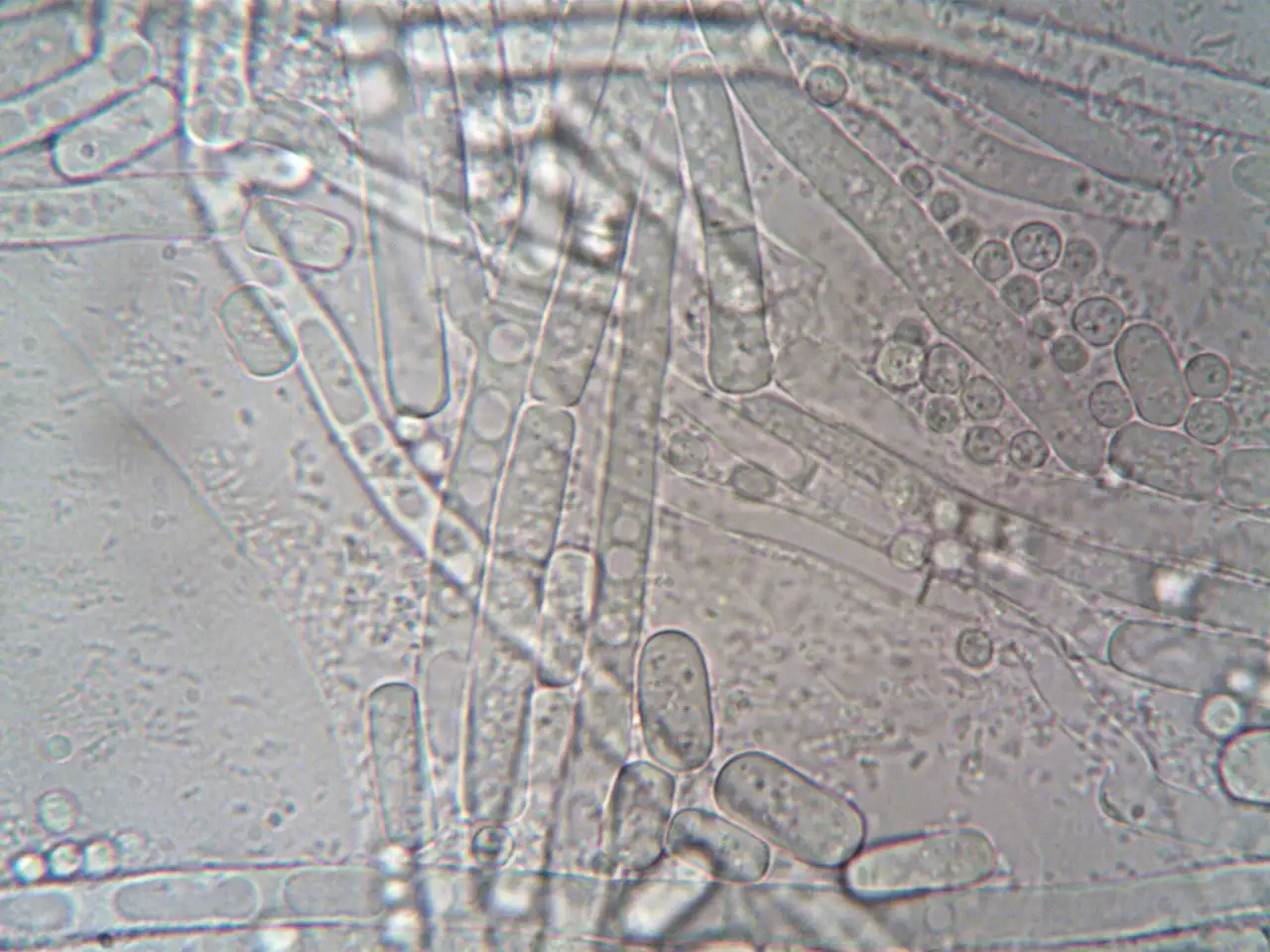
    We ran thermal imaging along the wall and found a cool zone about 4 feet wide. A moisture meter confirmed elevated readings behind the drywall. We sampled the wall cavity with a boroscope and tape lift kit, plus an air sample in the basement and a control sample upstairs. The lab confirmed Aspergillus/Penicillium at elevated counts in the basement air. The source was a slow irrigation leak against the foundation. The homeowner fixed the irrigation and had the drywall section replaced.

  • Tuscany South

    Before

    A Tuscany South home had visible dark growth on crawl space joists. The homeowner was told by a contractor it was just dirt and did not need testing.

    After

    We inspected the crawl space, measured moisture content in the joists with a Delmhorst meter, and took surface samples with tape lift slides. We also ran an air sample in the living room above the crawl to check for spore migration into the home. The lab identified Stachybotrys on the joists, with elevated spore counts in the living room air. The homeowner had the crawl space remediated and installed a better vapor barrier. Clearance testing confirmed the fix.

  • Tuscany East

    Before

    A Tuscany East family had a bathroom exhaust fan that stopped working. Within a few weeks, they noticed peeling paint and a musty odor in the hallway outside the bathroom.

    After

    We inspected the bathroom, measured humidity with an Extech hygrometer, and found the fan was not moving air. We sampled the wall cavity behind the peeling paint with a boroscope and swab, and ran an air sample in the hallway. The lab confirmed Cladosporium in the wall cavity. The homeowner replaced the fan, dried the wall, and repaired the drywall. A follow-up air sample showed counts back to normal.

How Seasons Affect Mold Testing in Tuscany

  • Spring

    Spring in Tuscany brings snowmelt and rain, which can push water against foundations and into crawl spaces. We see a spike in calls from Tuscany South and Tuscany West as homeowners find damp crawls after winter. Attic mold from ice dams also shows up in March and April. Check your crawl space in early spring for damp insulation or a musty smell. If you find either, schedule an inspection before summer humidity makes it worse.

  • Summer

    Summer is peak mold season in Tuscany. Humidity climbs, irrigation runs daily, and vented crawl spaces stay damp. Indoor humidity above 60 percent is common. This is when we get the most calls for crawl space mold testing and HVAC mold testing. Run your HVAC fan continuously in summer to keep air moving and humidity down. If your crawl space has a vapor barrier, check that it is intact and covering the soil.

  • Fall

    Fall is when the problems from summer become visible. Musty odors that were mild in July are stronger by October. We also see attic mold from bath fans venting into the attic, which shows up as dark staining on the roof sheathing. This is a good time for a pre-winter inspection. Before the first freeze, check that your bath fans are venting outside and your attic insulation is dry. If you smell anything musty, get it sampled before winter.

  • Winter

    Winter in Tuscany brings ice dams and condensation on cold surfaces. Ice dams force water under shingles and into the attic, where it soaks insulation and framing. Condensation on windows and exterior walls can also feed mold in poorly insulated areas. We see attic mold and wall cavity mold this time of year. Watch for ice dams on your roof and check the attic for damp insulation after any freeze-thaw cycle. If you see staining on the roof sheathing, call us for an inspection.

What to Ask Before Hiring a Mold Inspector in Tuscany

Not every mold inspector in the Meridian area does the same work. Some are generalists who take a few samples and hand you a lab report with no interpretation. Others are contractors who want to sell you remediation. Before you hire anyone in Tuscany, ask these questions. The answers will tell you whether you are getting a real inspection or a sales pitch.

  • Are you licensed in Idaho to perform mold inspections?

    Idaho requires mold inspectors to hold a state license. If the person you are talking to cannot confirm their license, you may not get a report that holds up for real estate or insurance. Ask for the license type and verify it.

  • Do you take both air and surface samples?

    Air samples tell you what is floating in the air. Surface samples tell you what is growing on a specific material. A good inspection uses both, plus a control sample. If a contractor only takes one air sample and calls it done, you are not getting the full picture.

  • Do you follow IICRC S520 for clearance testing?

    The IICRC S520 standard defines how post-remediation clearance testing should be done. If your inspector does not follow it, the clearance test may not be accepted by your contractor or your insurance company. Ask before you schedule.

  • Will you provide a written report with lab results and photos?

    A verbal summary is not enough. You need a written report with the lab results, the sample locations, and photos of what was found. This is what you hand to a contractor, a buyer, or an adjuster. If they will not put it in writing, walk away.

  • Do you also do remediation, or just testing?

    If the inspector also sells remediation, there is a conflict of interest. They may find mold where there is none to sell you a bigger job. We only do testing and inspection. If you need remediation, we will refer you to a contractor and then come back for clearance testing.

Mold Testing in Tuscany: Frequently Asked Questions

Still wondering? (208) 823 1178

Local service team

Schedule Mold Testing in Tuscany Today

If you have smelled something musty, seen a stain, or found growth in your crawl space, do not wait. Mold Testing in Tuscany from Meridian Mold Testing gives you a lab result you can act on. We have served this area since 2010, and we only do testing, never remediation, so there is no conflict of interest. Call (208) 823 1178 or fill out the form and we will get back to you the same day.

Contact Meridian Mold Testing

Call us at (208) 823 1178 or email info@moldtestingmeridianid.com to schedule your inspection. We answer calls Monday through Friday from 8:00 AM to 6:00 PM. If you reach us after hours, leave a message and we will call you back first thing the next morning.