Written report
Lab results, spore counts, and photos.
Basement Mold Testing in Meridian is the fastest way to find out whether that musty smell in your lower level is active mold growth or just damp concrete. We serve homeowners, buyers, and property managers across Ada County with same-day appointments and lab-backed results. If you have had water damage, a sewage backup, or just a persistently humid basement, testing tells you exactly what you are dealing with.
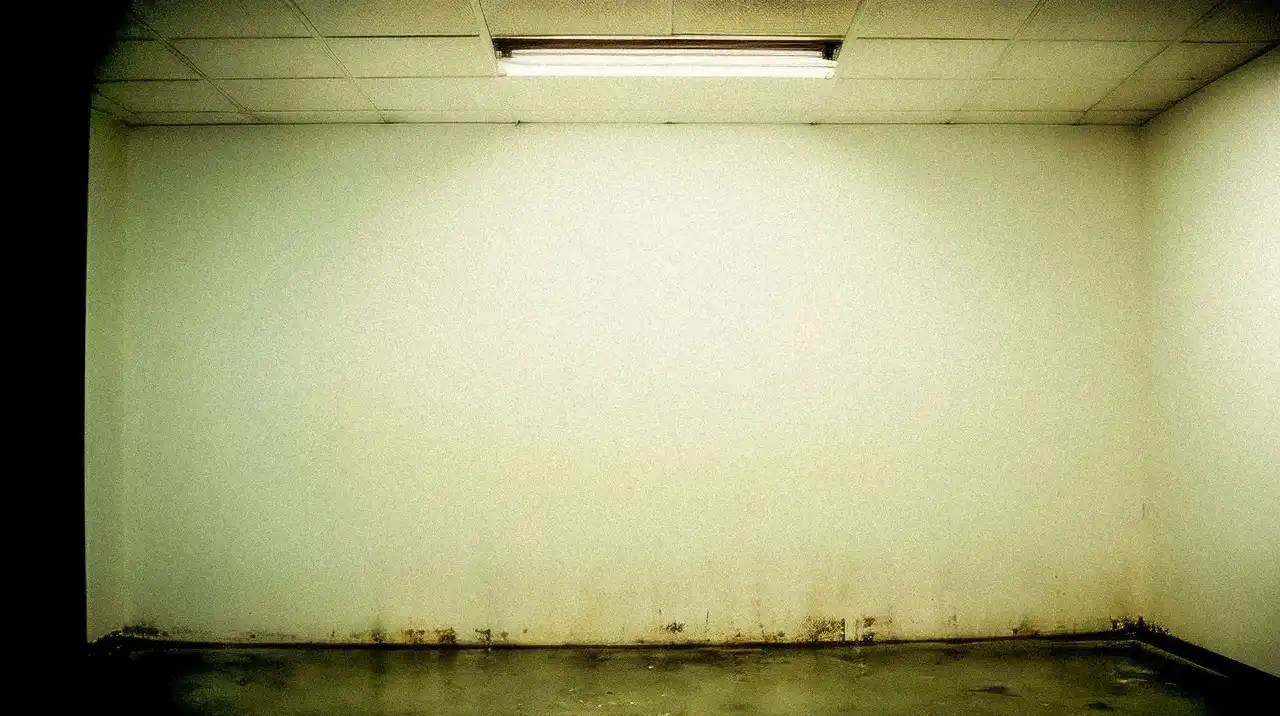
Every basement mold testing appointment includes a visual inspection, moisture readings, thermal imaging, and at least two air samples. Surface samples, additional rooms, and crawl space checks are available as add-ons. You get a written report with lab data and photos.

We test basements in houses across Meridian, from older block foundations to new finished spaces. You get air and surface samples, moisture readings, and a written report.
We test basements in commercial buildings, offices, and rental properties. You get documentation suitable for property managers, insurers, and tenants.
Basement Mold Testing in Meridian is a room-by-room investigation that combines moisture readings, thermal scans, and lab-analyzed air and surface samples to confirm whether mold is growing in your basement and what kind it is. We start with a moisture meter and a thermal imaging camera to map damp zones behind finished walls and under carpet. Then we collect air samples with an SKC pump and Air-O-Cell spore trap cassettes, plus surface samples using tape lift kits or swabs when visible growth is present. Everything goes to a certified lab, and you get a written report with species identification and spore counts.
Meridian sits in the Treasure Valley, where winter inversions trap moisture and spring snowmelt pushes groundwater against foundation walls. That combination makes basements in older Downtown Meridian homes and newer Southwest Meridian builds equally vulnerable to hidden mold behind walls. If you have noticed a musty odor, seen discoloration near the baseboard, or recently cleaned up after a water heater leak, basement mold testing near me Meridian searches usually mean the same thing: you want a definitive answer, not a guess. We provide that answer with documented lab results.
We test basements with lab-backed methods so you know exactly what is growing and where.
Every inspection follows the same five steps, whether you have a 400-square-foot crawl-adjacent basement or a fully finished lower level. You get a clear scope, calibrated equipment, and a written report you can act on.
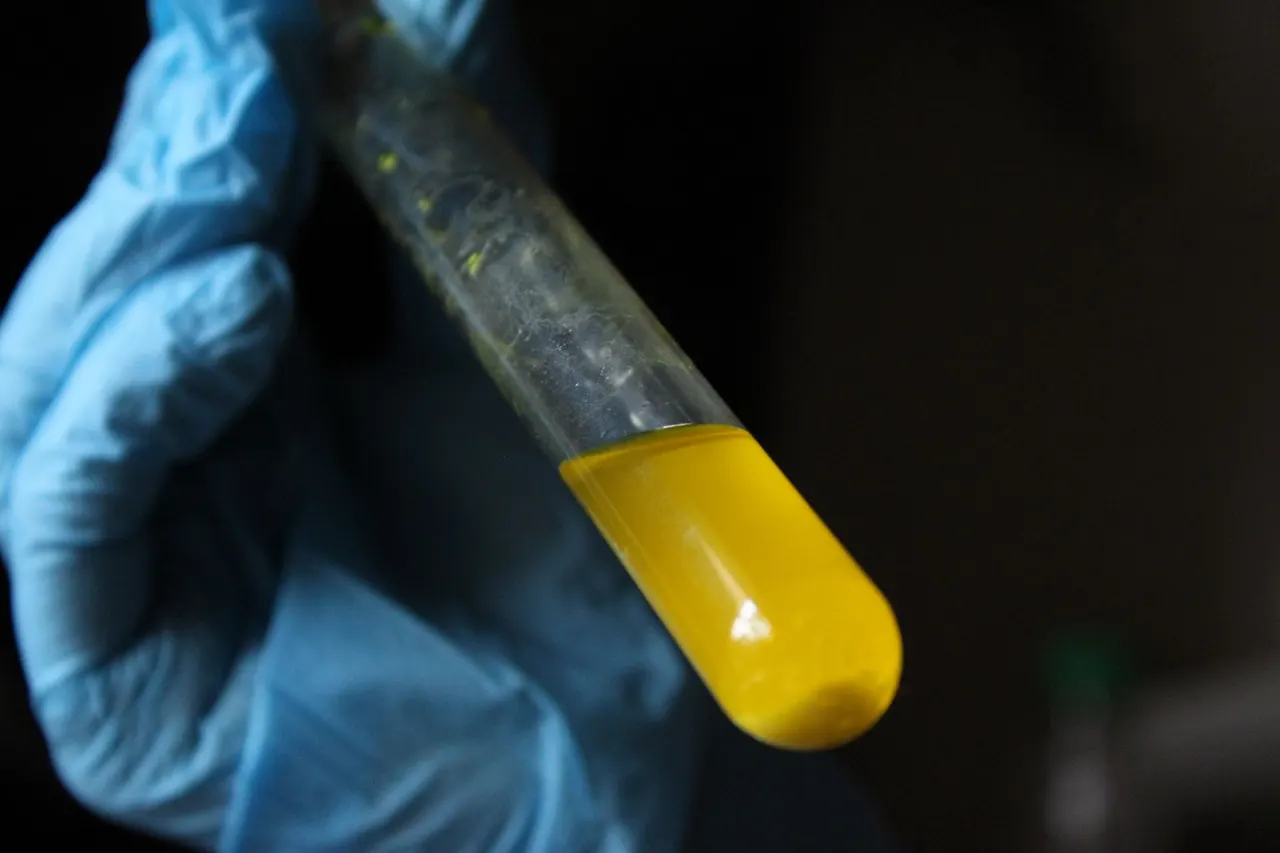
We ask about the age of your home, any water events, and what you have noticed: musty odors, visible staining, or recent humidity problems. This takes about 10 minutes and lets us bring the right sampling equipment. You get a flat quote before we schedule, so there are no surprises.

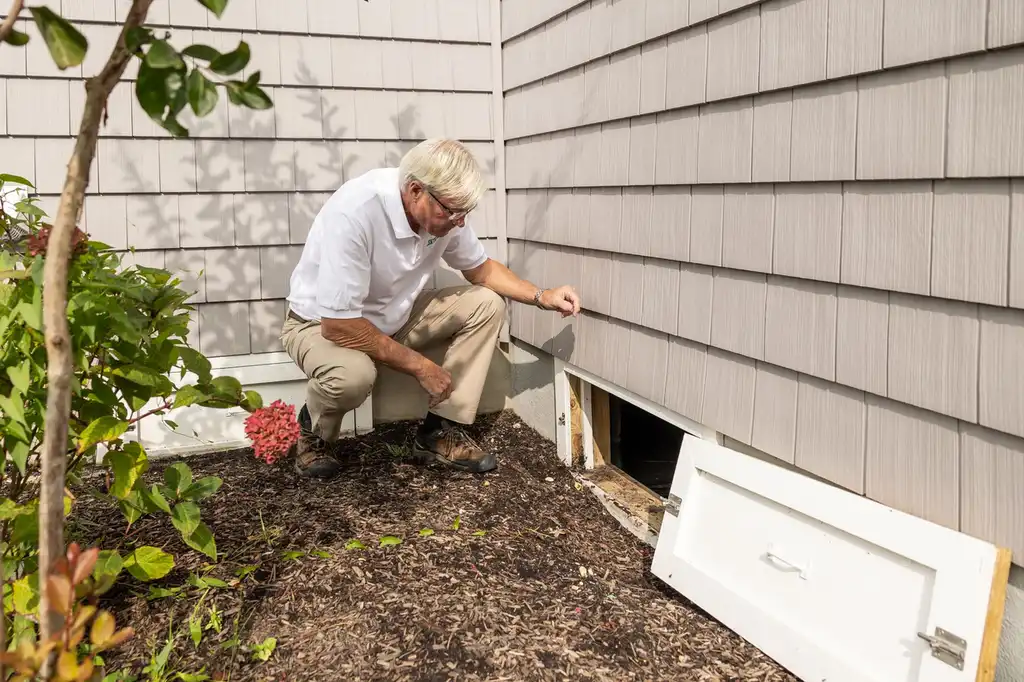
On site, we walk the basement with a Delmhorst moisture meter and a FLIR thermal imaging camera. We check foundation walls, floor joists, insulation, and any finished surfaces. Moisture mapping sensors help us identify wet zones that are not visible to the eye. This step usually takes 30 to 45 minutes.

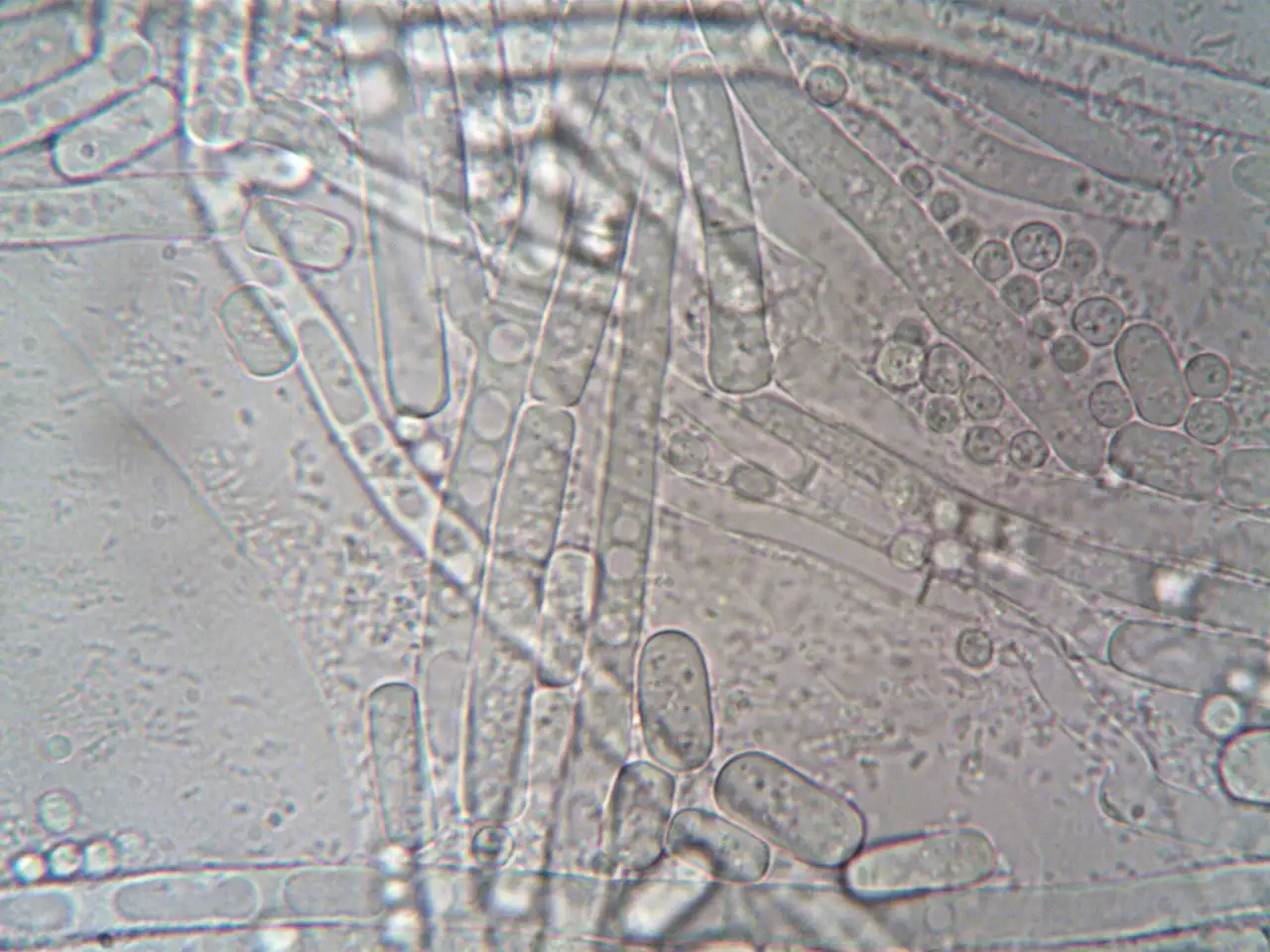
We set up an SKC air sampling pump with an Air-O-Cell spore trap cassette to capture airborne spores. If we see visible growth, we take a surface sample with a tape lift kit or swab. Each sample is labeled, sealed, and logged on a chain of custody form for the lab.

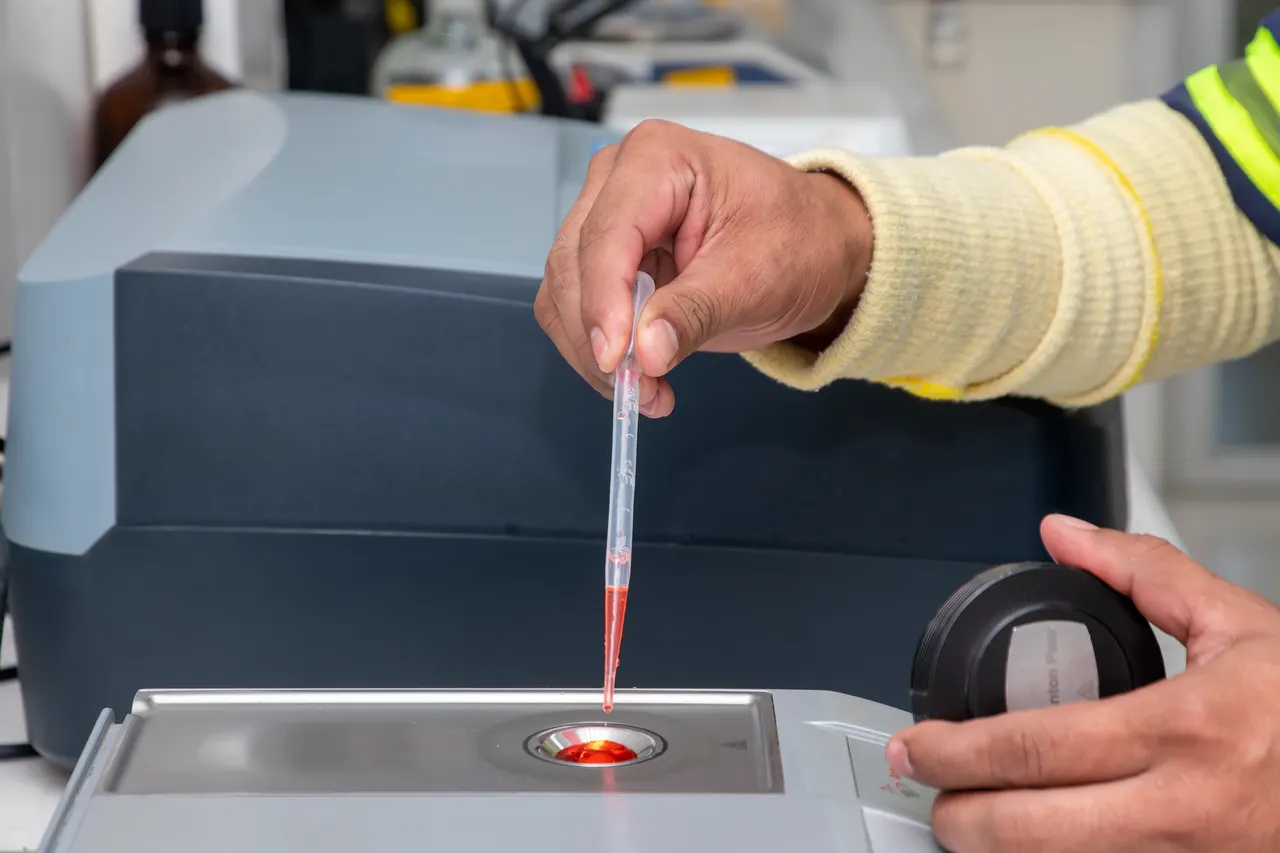
Samples go to a certified laboratory that identifies mold species and provides spore counts. Turnaround is typically 24 to 48 hours. We call you with preliminary findings as soon as the lab reports, and you receive a full written report by email.

Your report includes lab data, moisture readings, photos, and a plain-language summary. If mold is present, we explain the scope of the problem and what remediation would involve. If the basement is clean, you have documentation proving it. Either way, you know your next step.

Detects temperature differences caused by hidden moisture behind walls, under floors, and around foundation edges.

Measures moisture content in wood, drywall, and concrete. Readings above 15% in wood indicate conditions for mold growth.

Draws air through an Air-O-Cell spore trap cassette to capture airborne mold spores for lab analysis.
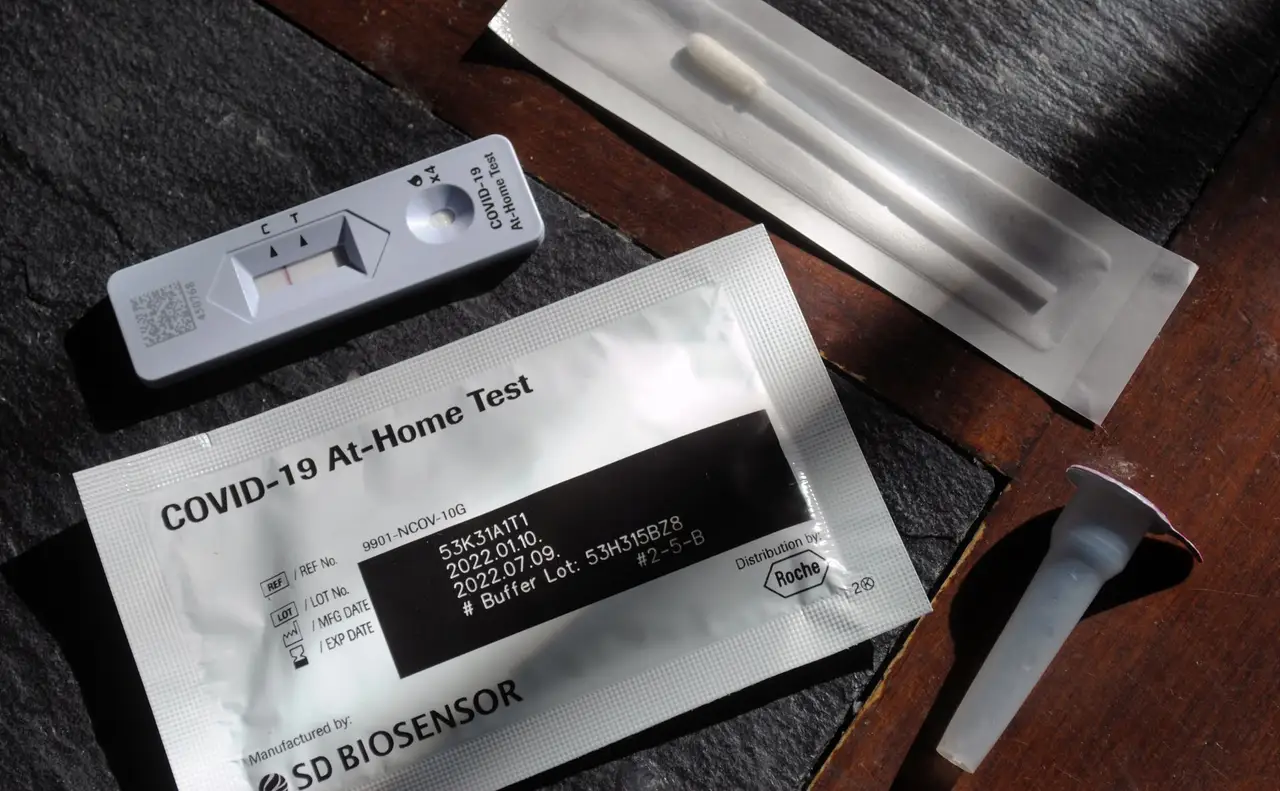
Collects airborne spores on a slide for microscopic identification and spore counting by the lab.

Allows us to see inside wall cavities and under subfloor without demolition, confirming hidden mold behind walls.

Measures relative humidity and temperature. We log readings to identify conditions that support mold growth.
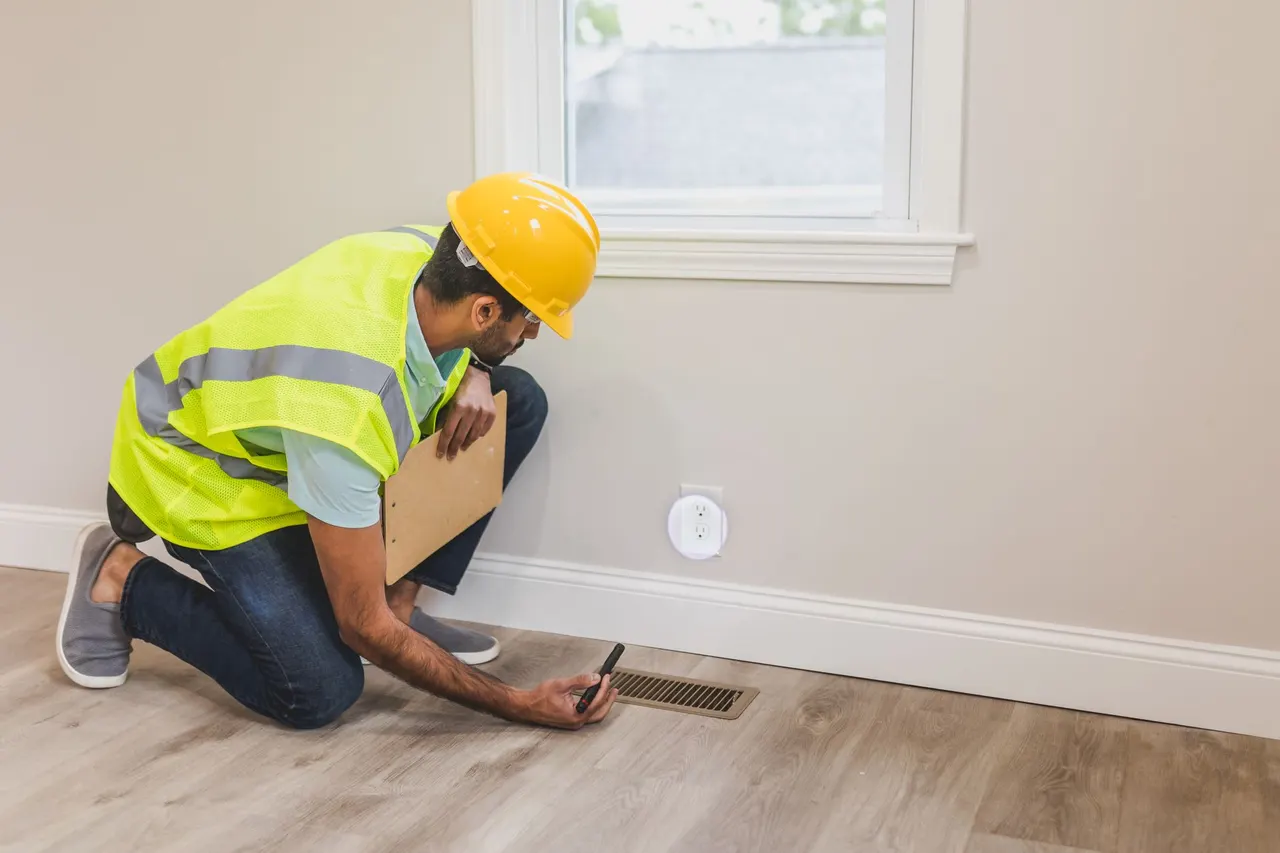
Collect surface samples from visible growth for species identification and confirmation of active mold.
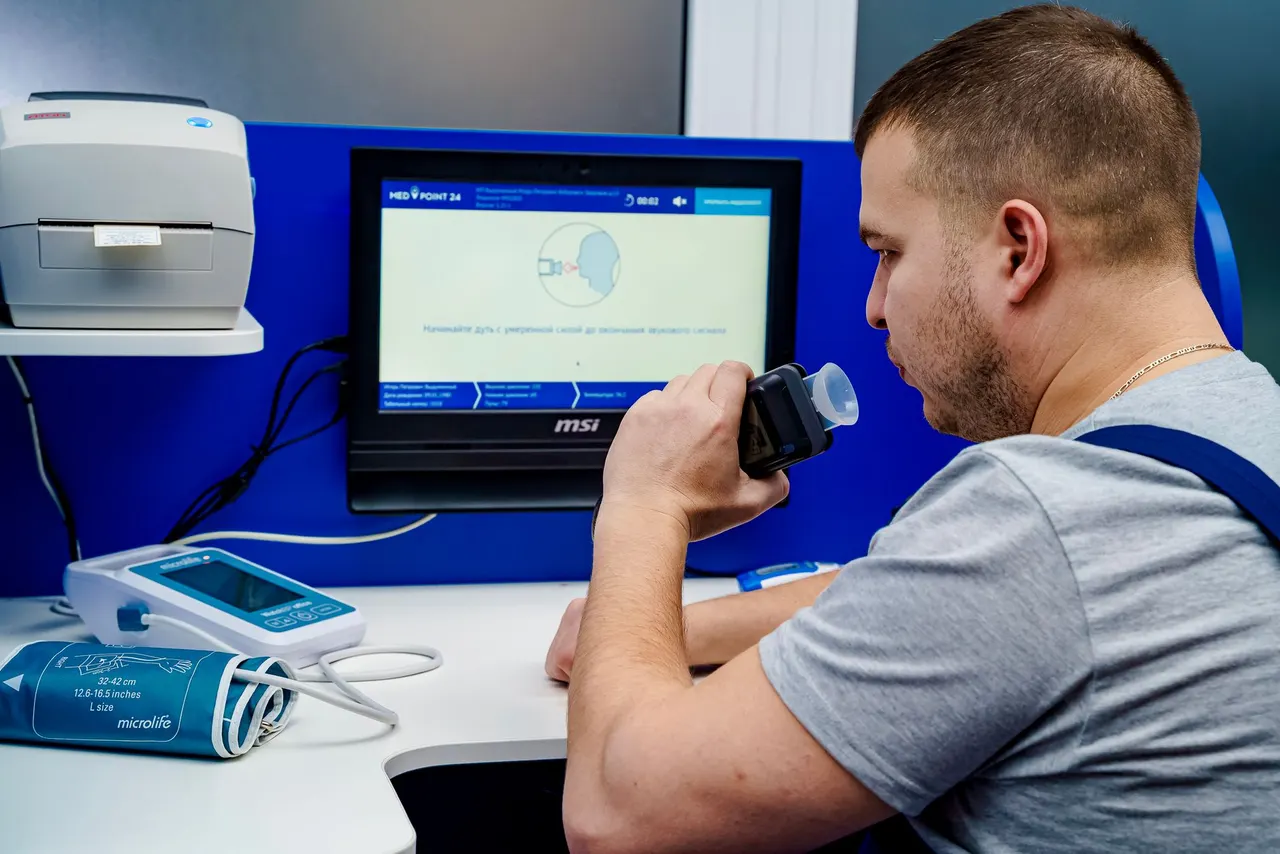
We use moisture meters and sensors to create a map of damp areas in your basement. This guides where we sample and helps identify the source of moisture feeding mold growth.
We inspect for hidden moisture and collect air samples. Thermal imaging often reveals damp foundation walls or wet insulation that you cannot see. Lab results tell you if mold is active. You get a clear answer and a written report. If mold is present, you know the species and scope. If not, you have documentation that your basement is clean.
We respond quickly with moisture mapping and air sampling. Flood mold can start within 24 hours. We test for mold and document moisture levels to guide drying and remediation. Fast lab results help you decide whether to remediate or just dry the space. You avoid unnecessary work and catch mold early if it has started.
We perform basement mold testing with air and surface samples. Our report includes lab data and photos that you can share with your agent and lender. You know whether the moisture has led to mold growth. That information helps you negotiate repairs or walk away from a bad deal.
We conduct rental property mold testing to get objective lab results. We document conditions and provide a report that both landlord and tenant can trust. You resolve the dispute with facts. If mold is present, you have a clear scope for remediation. If not, you have proof the unit is clean.
Meridian's climate creates specific mold risks. Winter inversions trap moisture near the ground, and spring snowmelt raises groundwater levels. Basements in older Downtown Meridian homes often have block foundations that wick moisture. Newer builds in Tuscany and Sierra Ridge may have drainage issues if gutters or grading were not maintained. We adjust our testing approach based on these local factors. For example, we pay close attention to foundation walls and floor joists in homes built before 1980. In newer homes, we check window wells and sump pits. If you search for basement mold testing near me Meridian, you want a company that knows these local patterns. We do. Our reports include recommendations specific to Idaho's climate, like dehumidifier settings for winter and drainage fixes for spring.
A homeowner in Downtown Meridian noticed a musty smell but saw no visible mold. The basement had a block foundation and old carpet. Humidity readings were above 65%. They worried about hidden mold behind walls.
We used thermal imaging to find damp areas behind the finished wall. Air sampling confirmed Penicillium and Aspergillus with elevated spore counts. The report guided remediation. After cleanup, post-remediation testing showed normal spore levels.
We recommended a dehumidifier set to 50% and annual moisture checks. The homeowner now runs the dehumidifier from fall through spring to keep humidity low.
A Southwest Meridian home took on water during spring snowmelt. The basement carpet was wet for two days before the homeowner called. They needed to know if mold had started growing.
We responded same-day and collected air and surface samples. Lab results showed early mold growth on the baseboard. We provided a report that helped the homeowner file an insurance claim. Remediation started within a week.
We advised checking gutters and grading before the next spring. The homeowner installed a sump pump and now monitors the basement after heavy rain.
A buyer was under contract on a Paramount home with a finished basement. The general inspection noted high humidity. The buyer needed to know if mold was present before closing.
We performed basement mold testing with air samples and thermal imaging. Results showed no active mold, just high humidity. The report gave the buyer confidence to proceed. They negotiated a dehumidifier into the sale.
The new owner runs the dehumidifier and checks humidity monthly. We recommended a follow-up test if they ever notice odors or water intrusion.
Musty odors, visible growth, and unexplained health symptoms often trace back to basement mold. We find the source and give you lab-backed answers so you can fix the problem, not just guess at it.
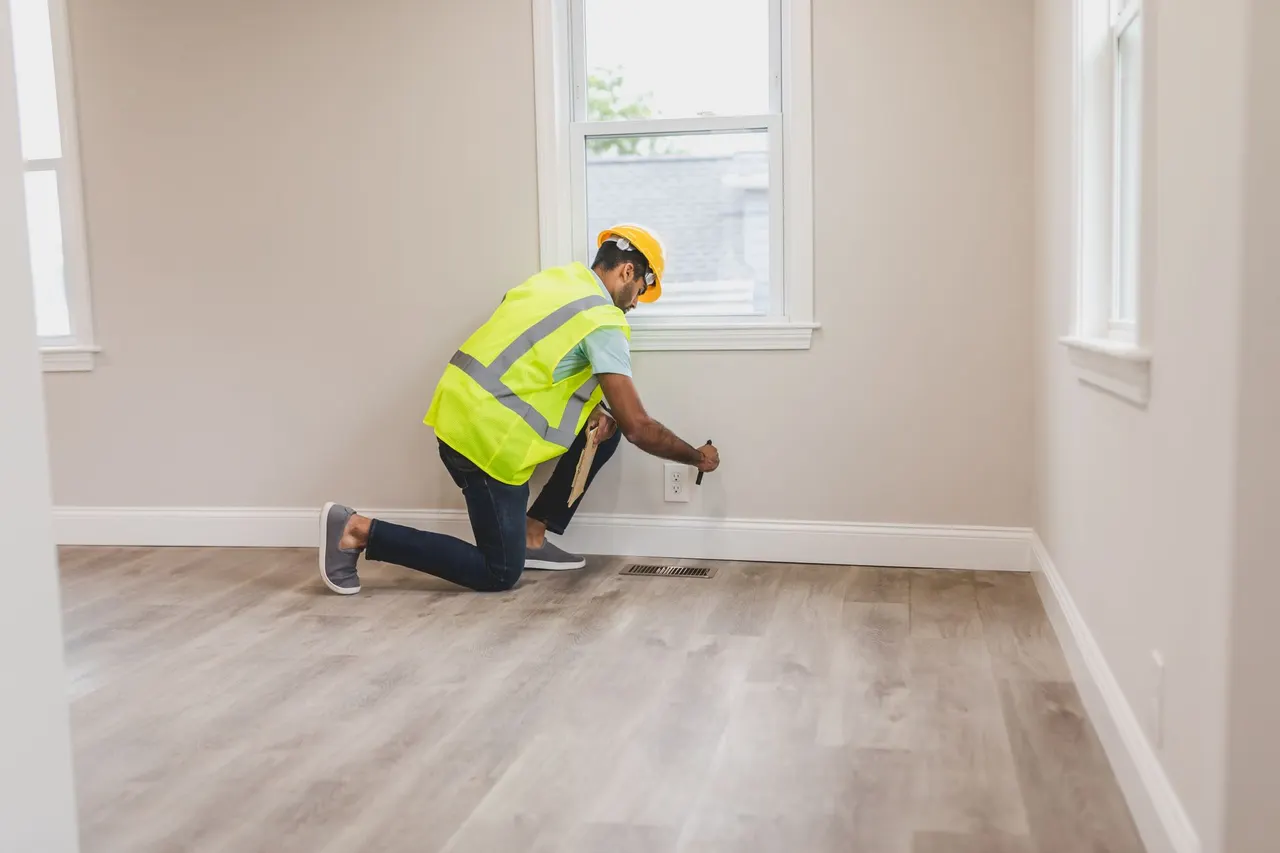
We use thermal imaging and air sampling to locate hidden mold behind finished walls. Lab results confirm species and spore counts, so you know exactly what is causing the smell and where it is. Odors mean mold is likely growing behind walls or under carpet. Ignoring it lets mold spread to joists and subfloor, raising remediation costs by thousands.

We prioritize water damage mold testing Meridian ID calls. We map moisture with meters and sensors, then sample air and surfaces. Fast results let you start remediation before mold spreads further. Slow leaks soak drywall and insulation for weeks. Mold can start in 24 to 48 hours. By the time you smell it, colonies may be established inside wall cavities.

We log humidity readings and identify ventilation or drainage issues. Our report includes recommendations for dehumidification and moisture control so mold does not return after cleanup. Meridian basements often stay above 60% relative humidity in spring and fall. Without testing, you may clean mold repeatedly without fixing the underlying moisture problem.
We provide real estate mold testing with chain of custody forms and lab data. Our report documents the condition at the time of inspection, giving both sides clear information to negotiate. A failed inspection can delay or kill a sale. Without lab documentation, buyers and sellers argue over whether mold is active or old.
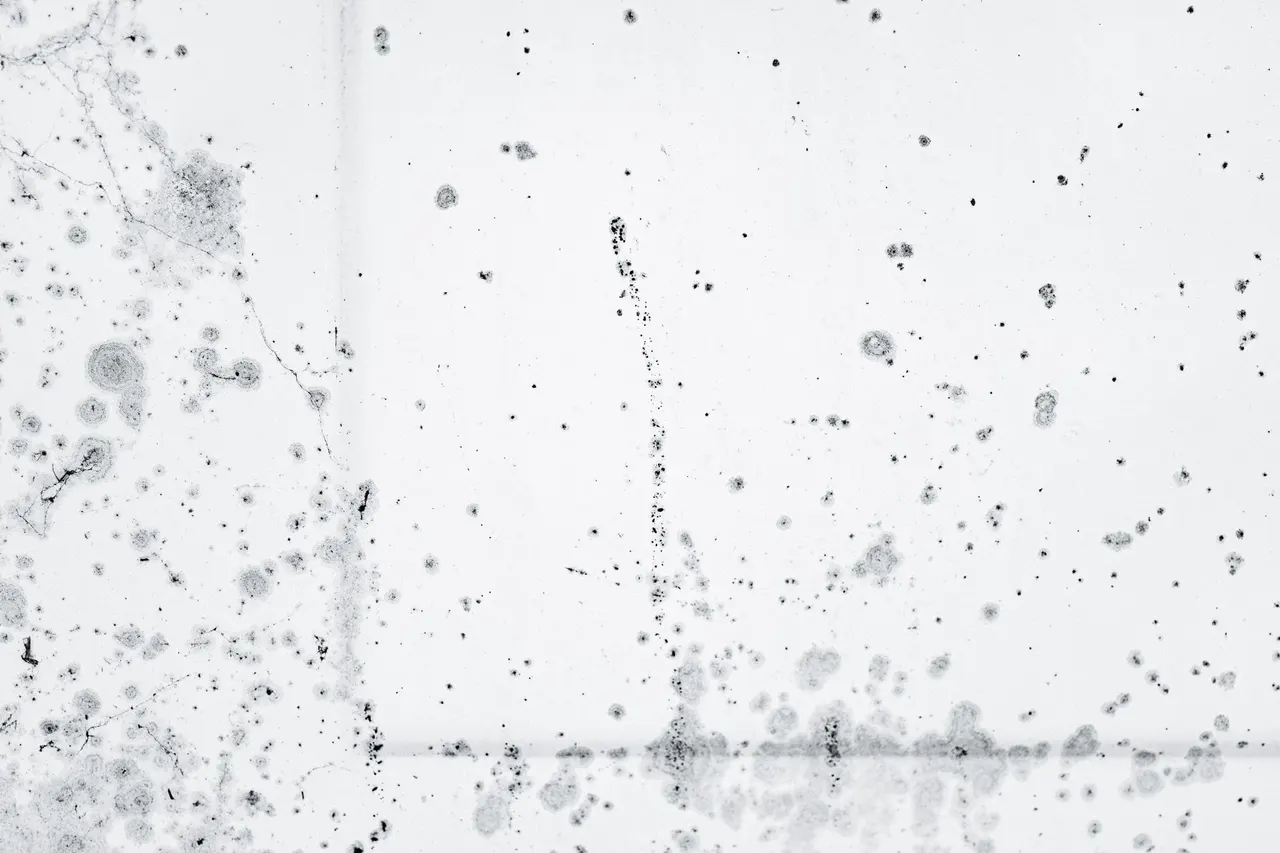
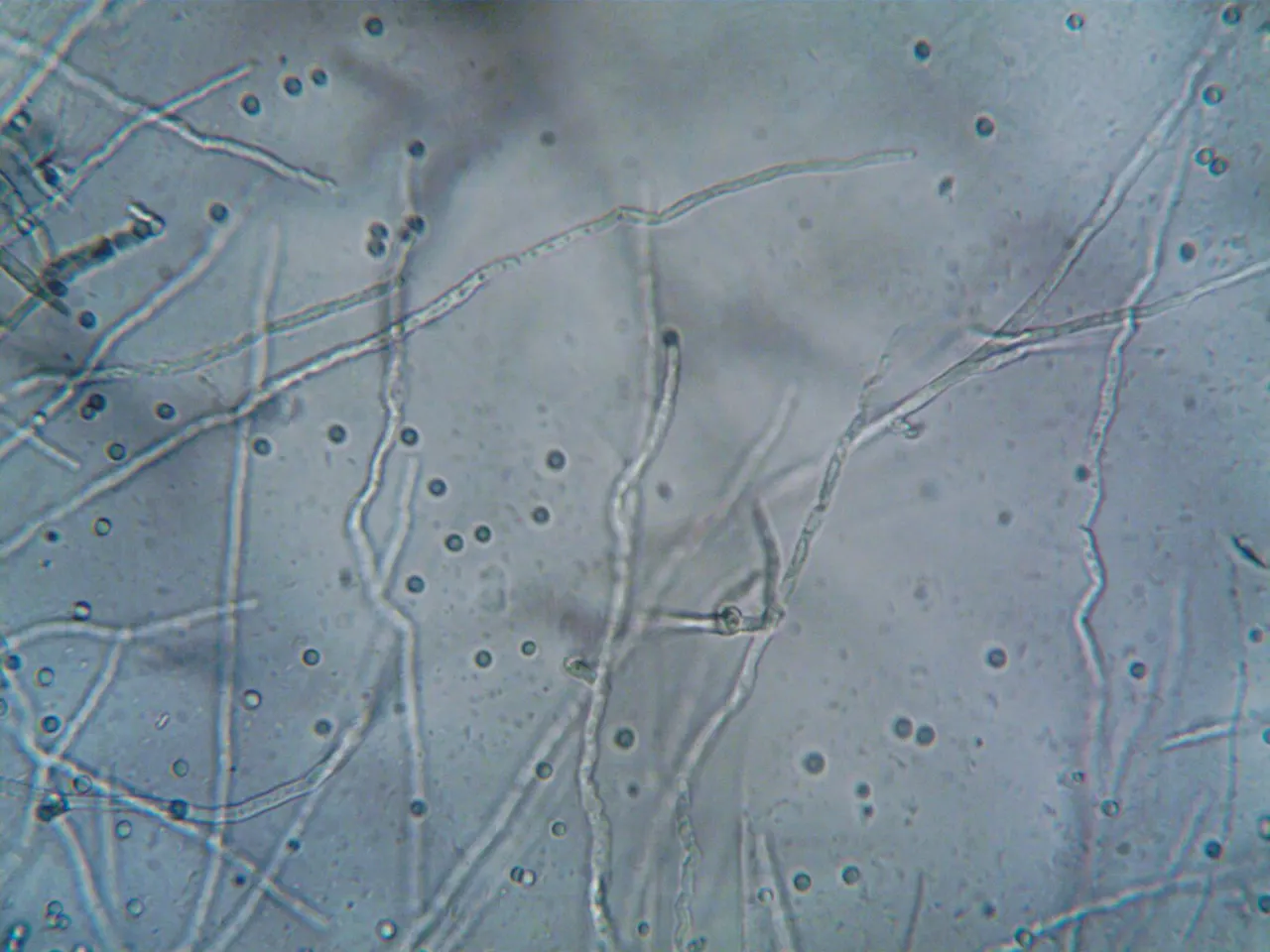
Air and surface samples are analyzed by an accredited lab that identifies mold species and provides spore counts per cubic meter. You see exactly what is in your basement, whether it is black mold growth or a common Cladosporium, and how the indoor count compares to the outdoor baseline.
We use a boroscope and thermal imaging camera to check inside wall cavities and under subfloor without tearing your basement apart. Hidden mold behind walls is one of the most common findings in Meridian homes that have had a slow plumbing leak or a failed sump pump.
When you call before noon, we can often schedule same-day basement mold testing Meridian. That matters after a flood or sewage backup when every hour of delay gives mold more time to colonize wet drywall and insulation. We arrive with calibrated equipment ready to sample.
If you are buying or selling a home in Ada County, our written report includes chain of custody forms and lab data that lenders, agents, and remediation contractors accept. It documents the condition of the basement at the time of inspection, which protects both sides of the transaction.
Clear records you can keep and share.
Lab results, spore counts, and photos.
Readings from walls, floors, and air.
Forms for real estate or insurance.
Mold needs moisture. Testing finds both the mold and the moisture source. Without fixing the moisture, mold will return.
Air sampling measures airborne spores. Surface sampling identifies visible growth. We use both when needed.
Spore counts tell you if indoor levels are higher than outdoor. Species ID tells you what type of mold is present.
We map moisture to find the source. Fixing the source is the only way to stop mold from coming back.
Outside these areas? Call and we will let you know if we can help. (208) 823 1178
Most basement mold testing in Meridian costs between $250 and $600 depending on the size of the basement and how many samples we collect. A basic inspection with two air samples starts around $250. Larger finished basements or those needing surface samples and thermal imaging can run $450 to $600. We give you a flat quote before we schedule, so you know the price upfront.
We combine moisture readings, thermal imaging, and air sampling. First we use a moisture meter and FLIR camera to find damp areas. Then we run an SKC air pump with an Air-O-Cell spore trap cassette to capture airborne spores. If we see visible growth, we take a tape lift or swab sample. All samples go to a certified lab for species identification and spore counts. You get a written report in 24 to 48 hours.
Meridian Mold Testing provides basement mold testing across Ada County. We are locally owned, IICRC and ACAC certified, and have served Meridian since 2010. We test basements in Downtown Meridian, Southwest Meridian, Paramount, Tuscany, and surrounding neighborhoods. Call (208) 823 1178 to schedule same-day or next-day service.
Yes, we offer same-day basement mold testing Meridian when you call before noon. We keep slots open for urgent situations like water damage, flood mold, or sewage backup mold. If you need testing after a water event, call us immediately. The faster we sample, the more accurately we can tell you whether mold has started growing and what type it is.
If you smell musty odors or have had water in your basement, do not wait. Mold grows fast. Call Meridian Mold Testing at (208) 823 1178 for same-day or next-day service. We give you a flat quote, show up on time, and deliver lab-backed results you can trust.
Call us at (208) 823 1178 or email info@moldtestingmeridianid.com to schedule your inspection. We answer calls Monday through Friday from 8:00 AM to 6:00 PM. If you reach us after hours, leave a message and we will call you back first thing the next morning.