
For homes in Southeast Meridian
We test homes of all ages, from new builds to older properties. Common issues include crawl space mold, attic mold, and bathroom mold.
- Crawl space mold
- Attic mold
- Bathroom mold
- Basement mold
Mold Testing in Southeast Meridian starts with a real inspection, not a guess. Our team works the 83642 and 83646 ZIP codes every week, checking crawl spaces, attics, HVAC systems, and wall cavities for hidden growth. We use moisture meters, thermal imaging cameras, and air sampling pumps to find the source, then hand you a lab-backed report you can act on. If you need Southeast Meridian mold inspection without the runaround, call us.
Serving Southeast Meridian and nearby
Mold Testing in Southeast Meridian is a service that finds and documents mold growth in homes and commercial buildings before it spreads or gets missed during a transaction. We have worked this area since 2010, and we know how the industrial zones near the Meridian Wastewater Treatment Plant, the newer subdivisions off Idaho State Highway 69, and the older homes along the Meridian Road Corridor each behave when moisture gets in. Southeast Meridian mold inspection is not a one-size-fits-all job. A warehouse near Meridian Airport with a leaking roof needs different sampling than a 1990s ranch home with a damp crawl space. We bring the right tools for each: moisture meters, thermal imaging cameras, boroscopes, and air sampling pumps with spore trap cassettes. Every sample goes to a certified lab, and you get a report that spells out what was found, where it came from, and what to do next. If you are searching for the best mold testing Southeast Meridian ID has to offer, start with a company that actually works here.
Southeast Meridian has a mix of building types that create real mold risk. The industrial and commercial zones around the wastewater treatment plant and Meridian Airport see HVAC mold problems from large rooftop units and warehouse roof leaks. The residential neighborhoods in 83642 and 83646 deal with crawl space mold after irrigation season and attic mold from poor ventilation. We serve this area because the demand is steady and the problems are specific. Homeowners here need answers they can trust, not a sales pitch for remediation. We provide testing and inspection only, so our findings are independent.
We offer a full range of mold testing services in Southeast Meridian, from single-room air quality checks to full commercial inspections. Whether you need affordable mold testing in Southeast Meridian ID for a small bathroom issue or a complete assessment of a warehouse near the Meridian Road Corridor, we have the tools and the lab access to get it done. Every job starts with a conversation about what you are seeing, smelling, or suspecting, and we build the inspection around that.
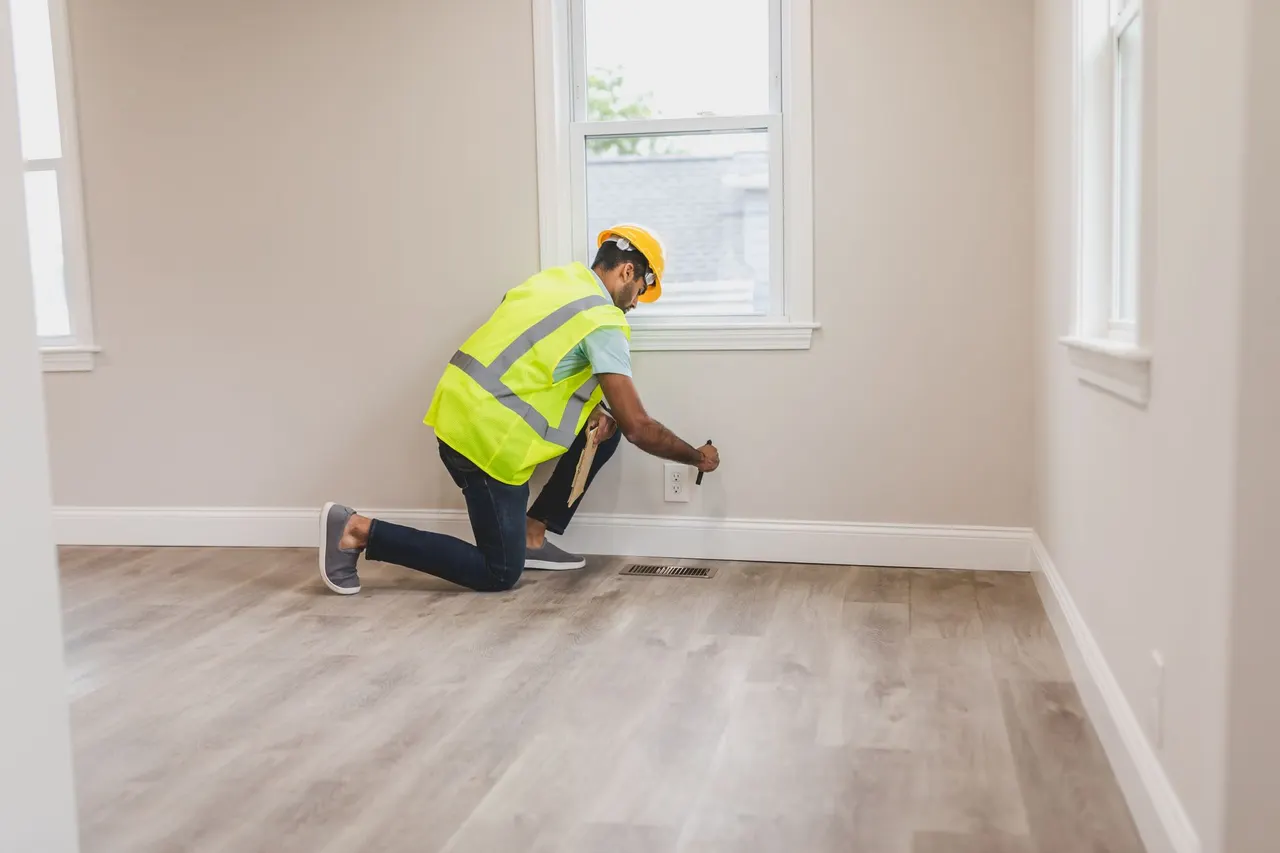
 Mold InspectionOur mold inspection in Southeast Meridian covers the whole building envelope: crawl space, attic, basement, wall cavities, HVAC, and visible surfaces. We use moisture meters and thermal imaging cameras to find hidden moisture, then boroscopes to look inside walls. You get a written report with photos and lab results.
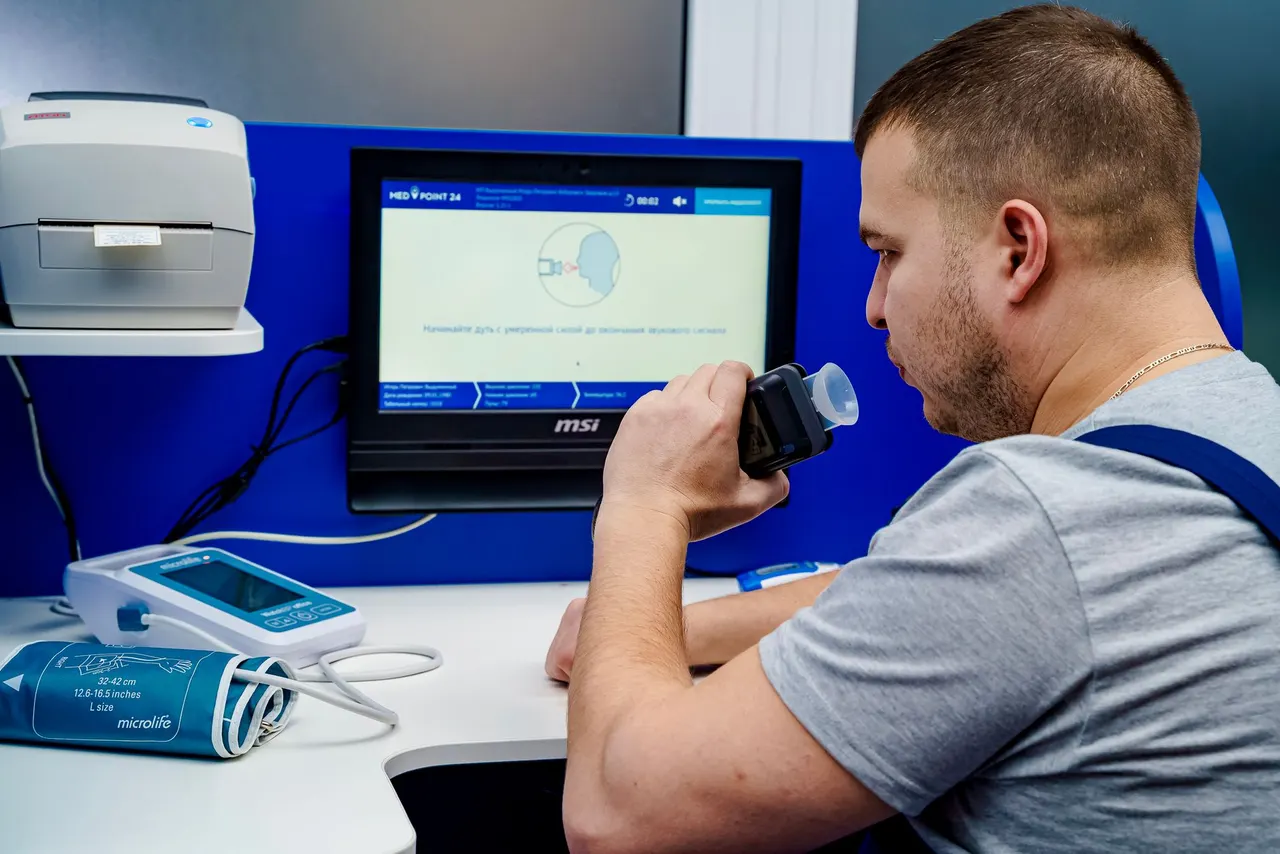 Air Quality TestingAir quality testing in Southeast Meridian measures airborne mold spores and particulates. We use air sampling pumps with Air-O-Cell cassettes to capture samples from multiple rooms, then send them to a certified lab. This is often the first step when you smell musty odors but cannot see mold.
 Indoor Air Quality AssessmentAn indoor air quality assessment in Southeast Meridian goes beyond mold to look at humidity, ventilation, and particle counts. We use hygrometers and particle counters to measure conditions that allow mold to grow. This is useful for offices, schools, and homes with allergy concerns.
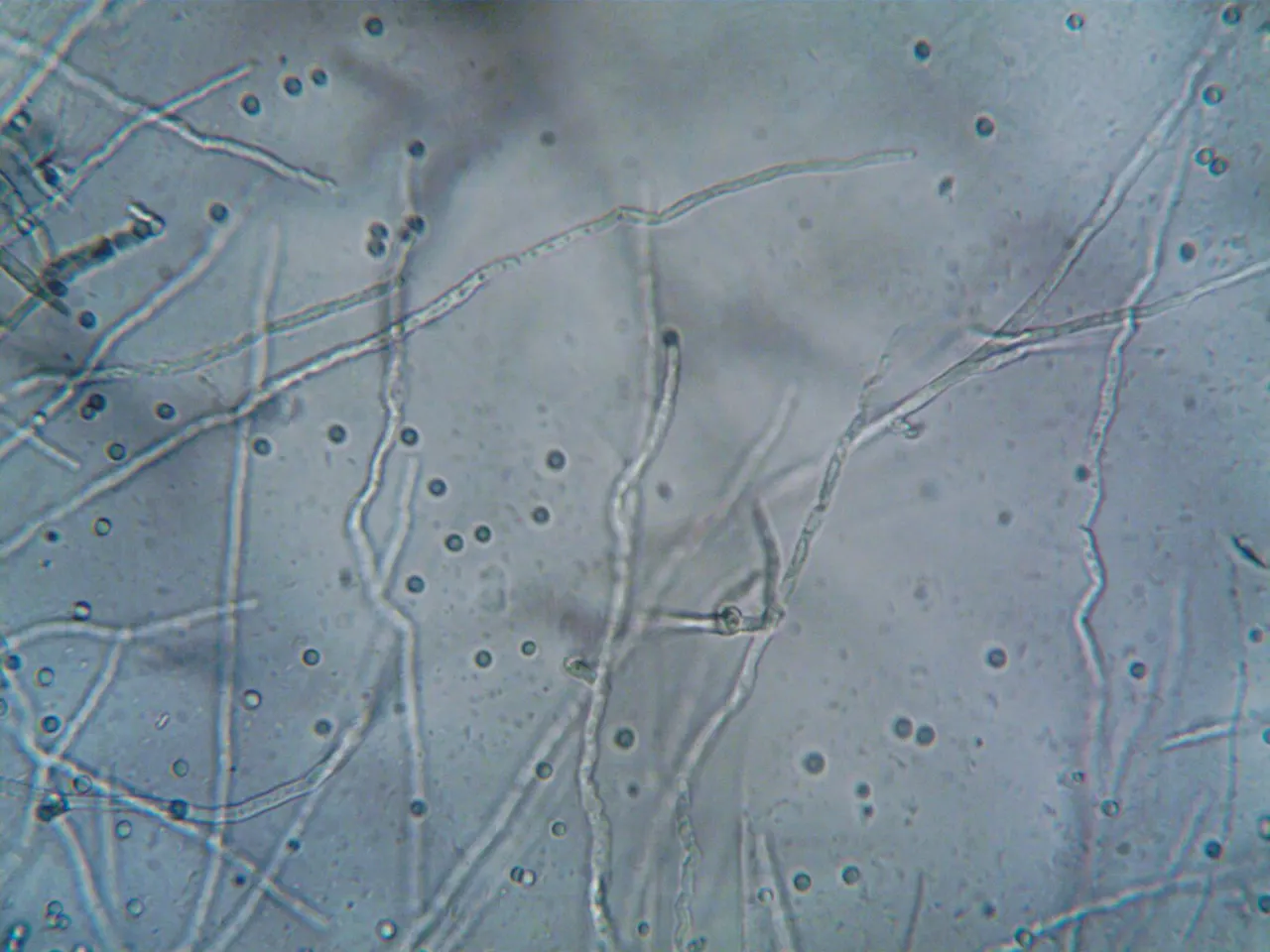
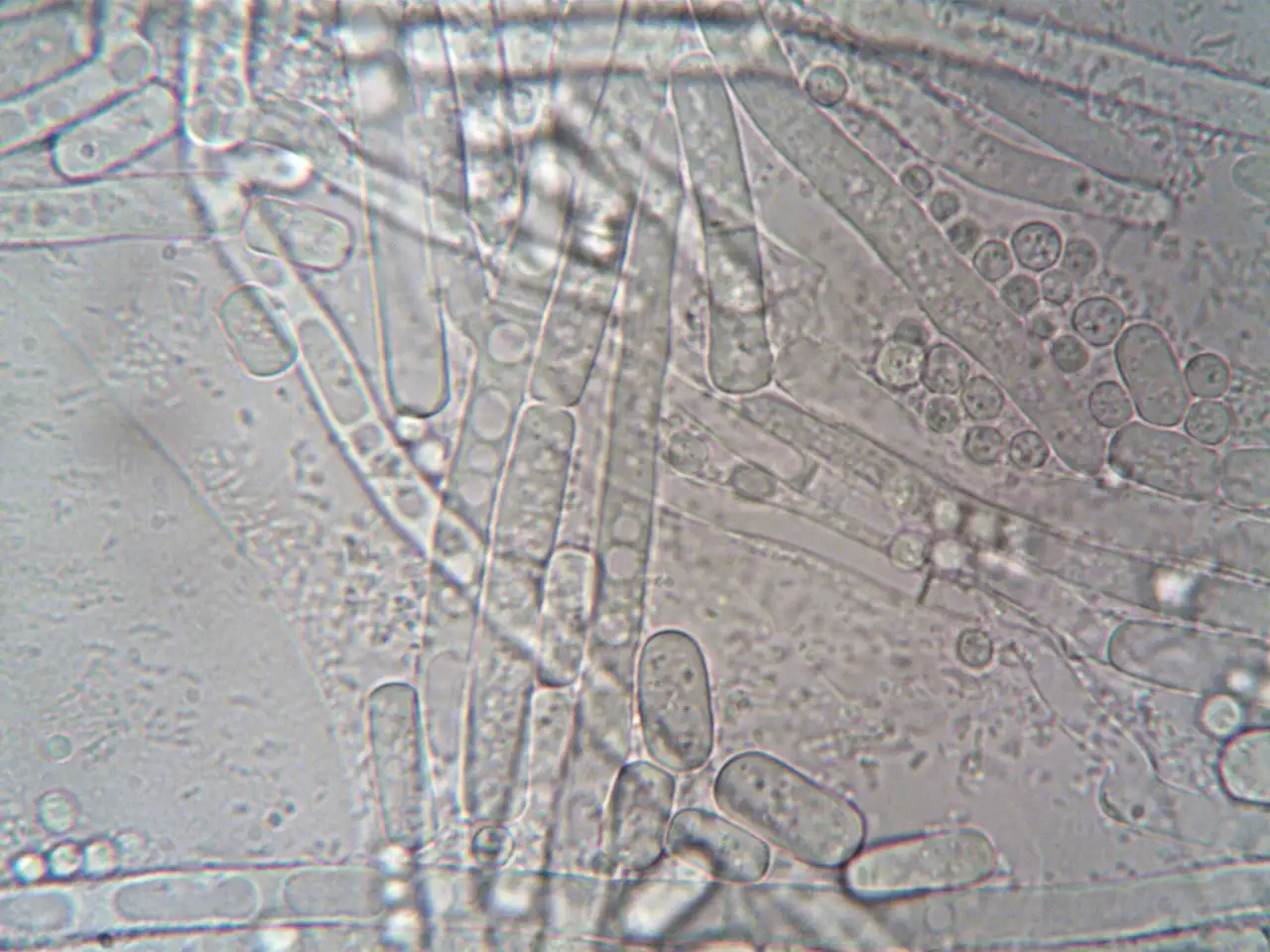 Black Mold TestingBlack mold testing in Southeast Meridian identifies whether dark growth is Stachybotrys or another species. We take surface samples with tape lift kits and swabs, plus air samples for spores. Lab results tell you exactly what you are dealing with, so you can decide on remediation with facts.
 Toxic Mold TestingToxic mold testing in Southeast Meridian focuses on species that produce mycotoxins, like Stachybotrys and Aspergillus. We sample air and surfaces, then send everything to a certified lab for analysis. If you have health concerns, this gives you documentation to share with your doctor or remediator.
 Mold SamplingMold sampling in Southeast Meridian is the core of what we do. We collect air samples with spore trap cassettes, surface samples with swabs and tape lifts, and bulk samples when needed. Each sample is labeled, logged on a chain of custody form, and sent to the lab for analysis.
 Surface Mold TestingSurface mold testing in Southeast Meridian checks visible growth on walls, ceilings, floors, and fixtures. We use surface sampling swabs and tape lift kits to collect material, then lab analysis identifies the species. This is often used to confirm black mold or toxic mold.Airborne Mold Spore TestingAirborne mold spore testing in Southeast Meridian measures what you are breathing. We use calibrated air sampling pumps and Zefon Air-O-Cell cassettes to capture spores from indoor and outdoor air. Comparing the two tells us whether indoor levels are elevated.Crawl Space Mold TestingCrawl space mold testing in Southeast Meridian is critical because many homes here have vented crawl spaces that stay damp. We inspect joists, insulation, and vapor barriers, then take air and surface samples. Moisture mapping sensors help us find the source of the dampness.
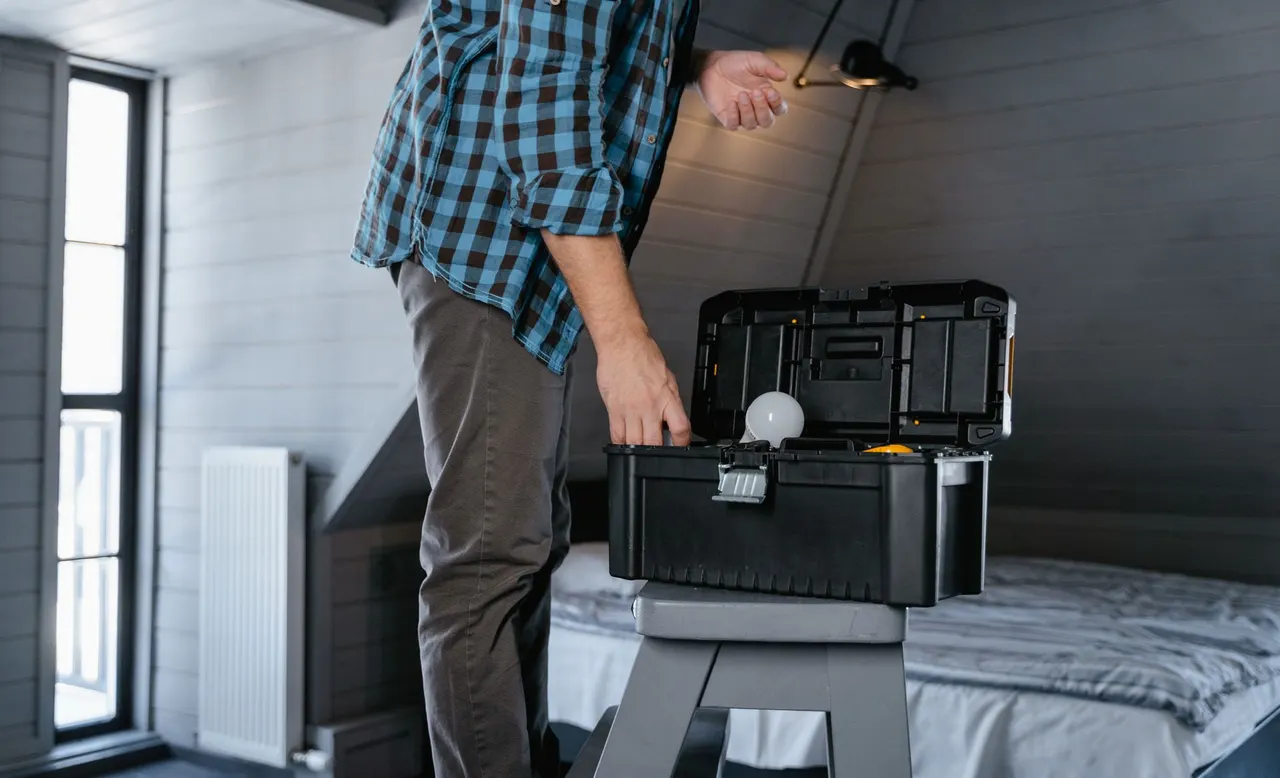 Attic Mold TestingAttic mold testing in Southeast Meridian often follows roof leaks or poor ventilation. We check roof sheathing, rafters, and insulation for mold growth, then sample with tape lifts and air cassettes. High summer temperatures here can make attic mold spread fast.
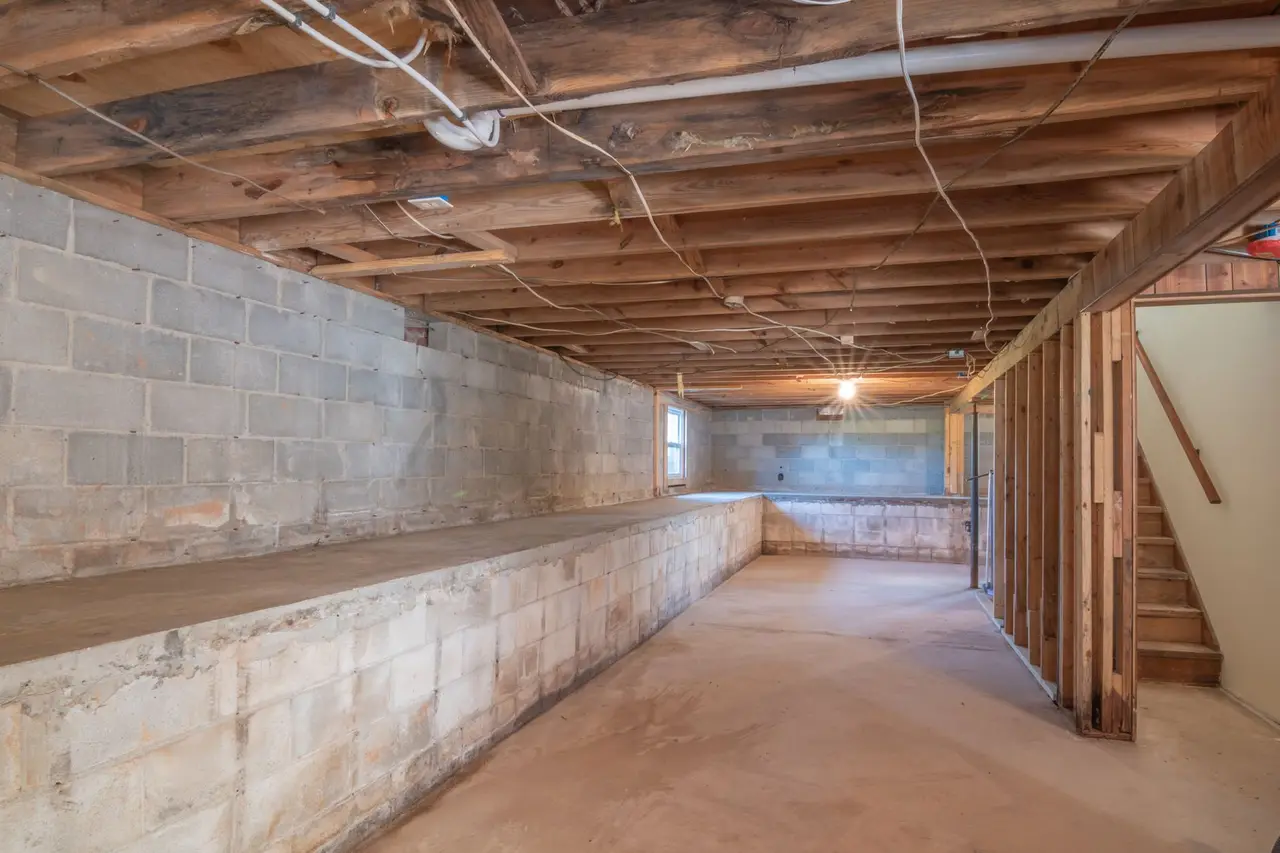
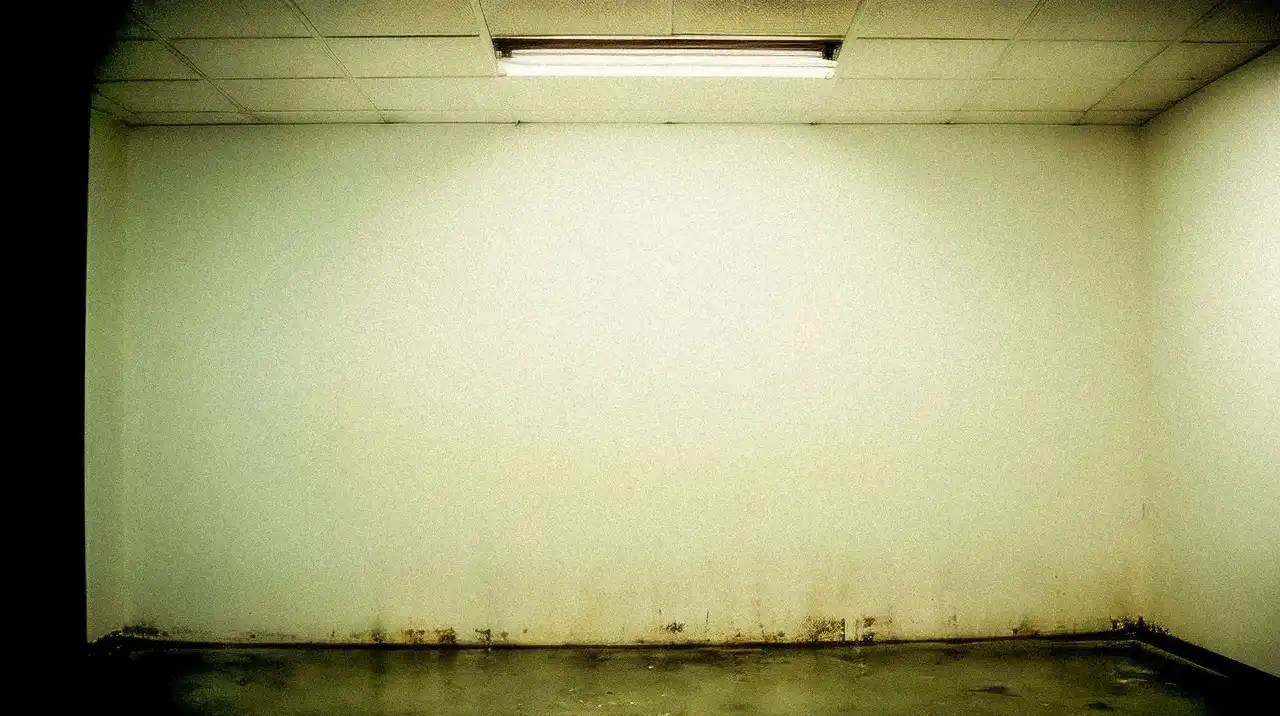 Basement Mold TestingBasement mold testing in Southeast Meridian targets below-grade spaces that stay humid. We use moisture meters and thermal imaging cameras to find damp walls and floors, then take surface and air samples. If your basement smells musty, this is the place to start.
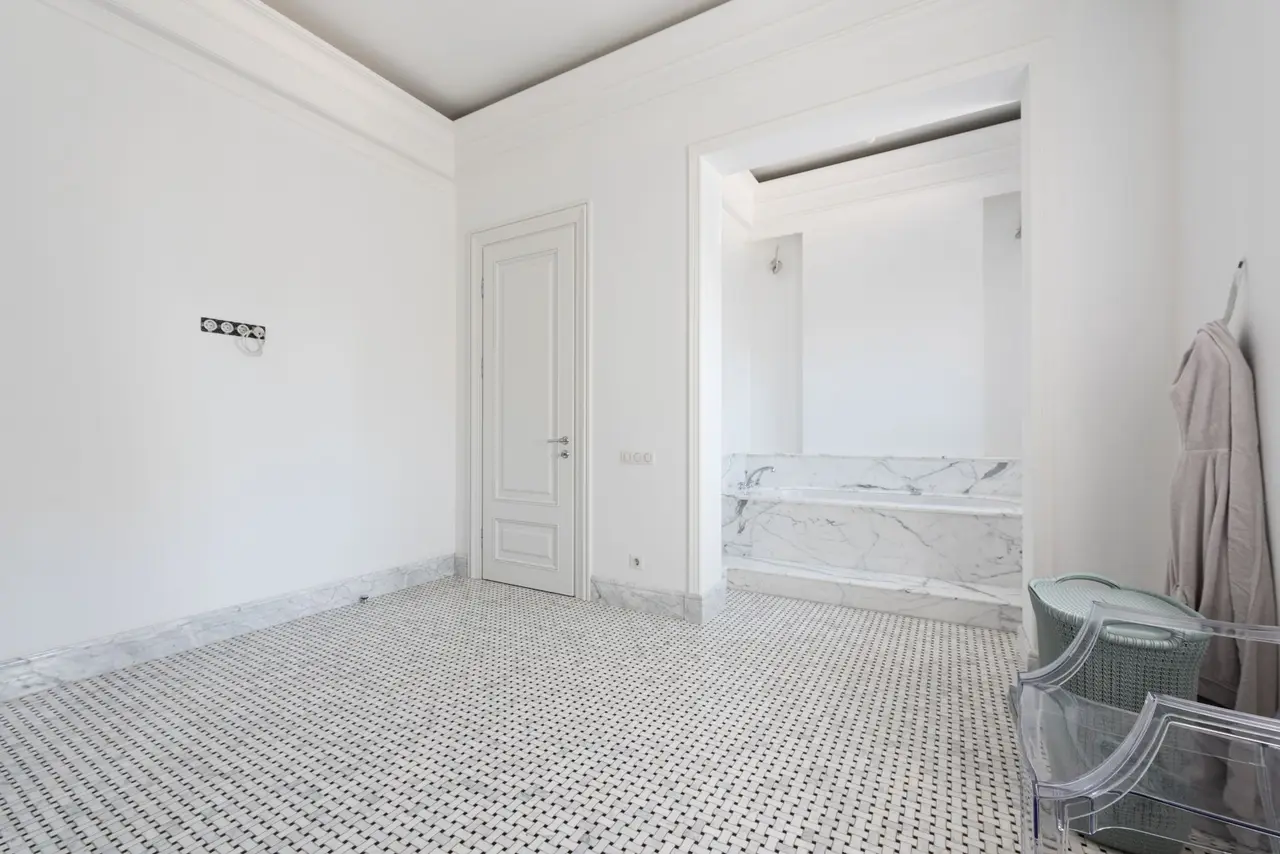 Bathroom Mold TestingBathroom mold testing in Southeast Meridian focuses on showers, tubs, sinks, and exhaust fans. We check for leaks behind walls with boroscopes and moisture meters, then sample visible growth. Poor ventilation is a common cause in homes across 83642 and 83646.
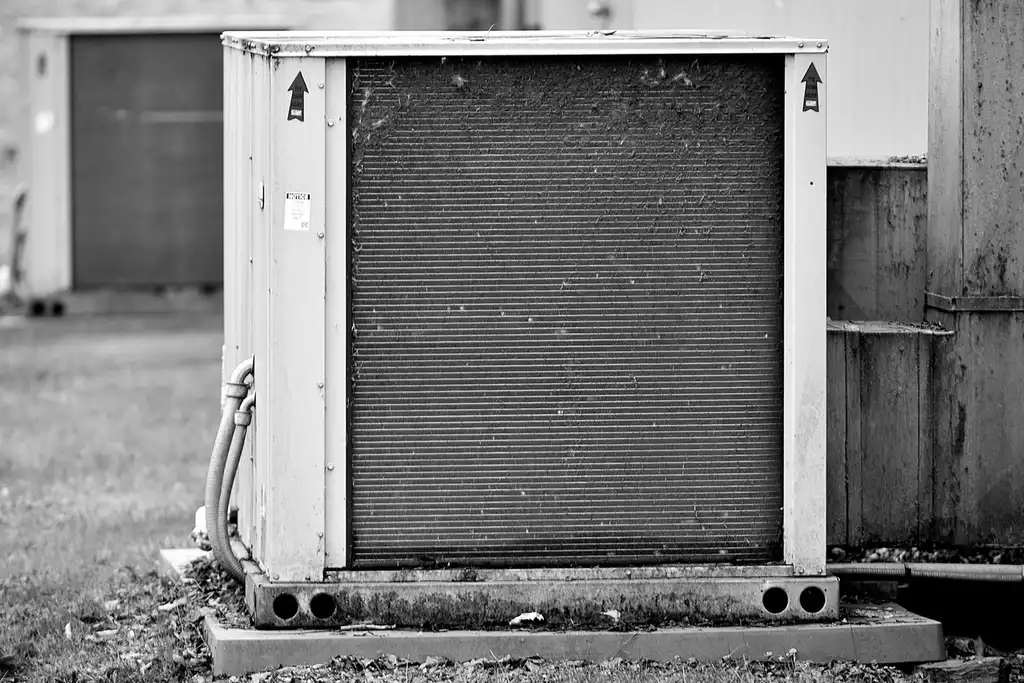
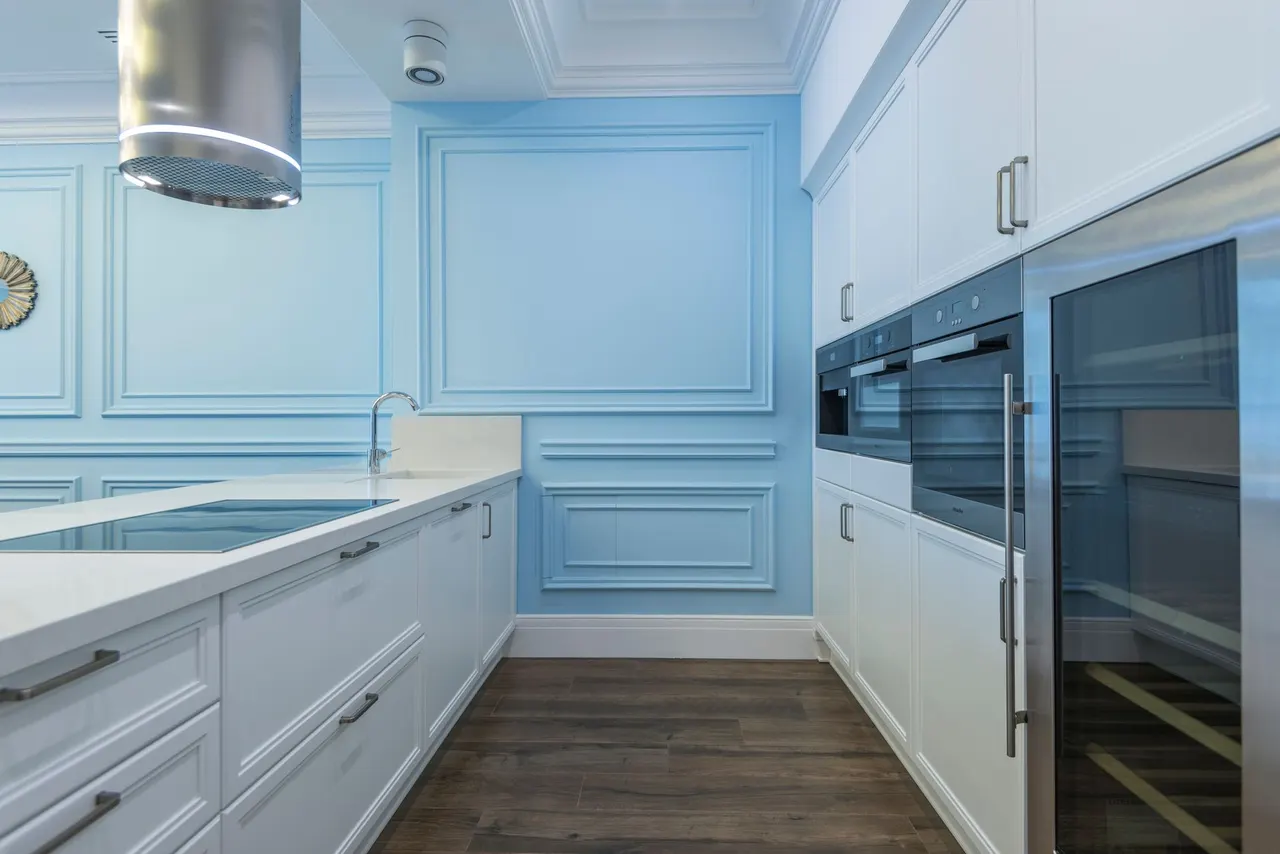 Kitchen Mold TestingKitchen mold testing in Southeast Meridian looks at sinks, dishwashers, refrigerators, and exhaust hoods. We check under cabinets and behind appliances with boroscopes, then take surface samples. Slow leaks here often go unnoticed until mold appears.HVAC Mold TestingHVAC mold testing in Southeast Meridian is important for both homes and commercial buildings. We inspect air handlers, coils, and ductwork for mold growth, then take air samples from supply vents. Warehouse rooftop units near Meridian Airport are a common source.
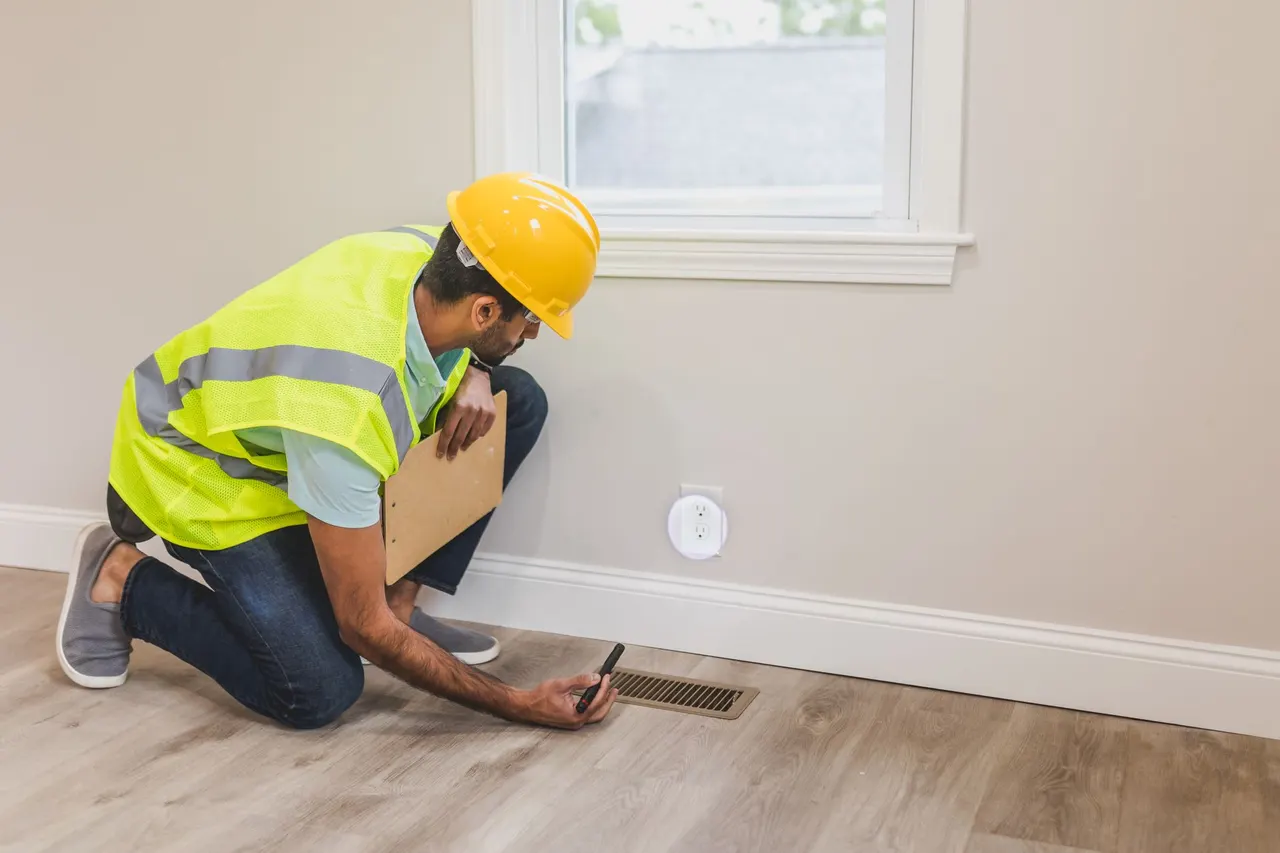
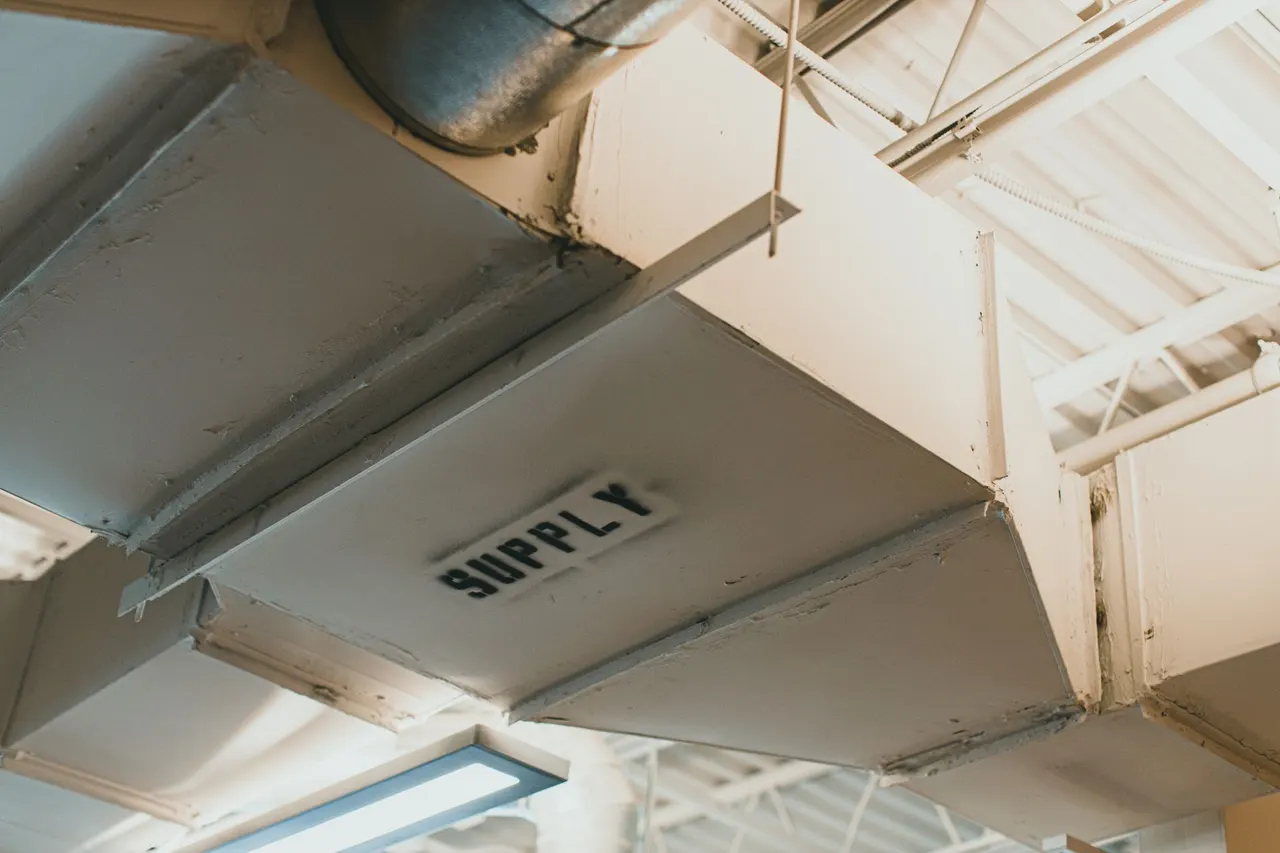 Ductwork Mold TestingDuctwork mold testing in Southeast Meridian checks the inside of supply and return ducts. We use boroscopes to look for growth and air sampling pumps to measure spores. If your HVAC system has been running with a moisture problem, this is where mold hides.
 Wall Cavity Mold TestingWall cavity mold testing in Southeast Meridian finds hidden mold behind drywall. We use thermal imaging cameras to spot temperature differences, then boroscopes and moisture meters to confirm. Air sampling from the cavity gives lab evidence without tearing out walls.
 Post-Remediation Mold Clearance TestingPost-remediation mold clearance testing in Southeast Meridian confirms that cleanup worked. We take air and surface samples after remediation, then compare results to outdoor baseline. This is often required for real estate transactions or insurance claims.
 Real Estate Mold TestingReal estate mold testing in Southeast Meridian helps buyers and sellers close deals with confidence. We inspect the property, take samples, and provide a report that meets lender and inspector requirements. This is common in the newer subdivisions off Idaho State Highway 69.
 Rental Property Mold TestingRental property mold testing in Southeast Meridian serves landlords and tenants who need documentation. We inspect the unit, sample any growth, and provide a report that clarifies responsibility. This is useful for properties near the Meridian Road Corridor.
 Commercial Mold TestingCommercial mold testing in Southeast Meridian covers warehouses, offices, and retail spaces. We inspect HVAC systems, roof leaks, and wall cavities, then take samples. The industrial zones around the wastewater treatment plant often need this after roof leaks.
 Residential Mold TestingResidential mold testing in Southeast Meridian is our most common service. We check crawl spaces, attics, basements, bathrooms, and kitchens for mold and moisture. You get a lab-backed report and a clear explanation of what to do next.
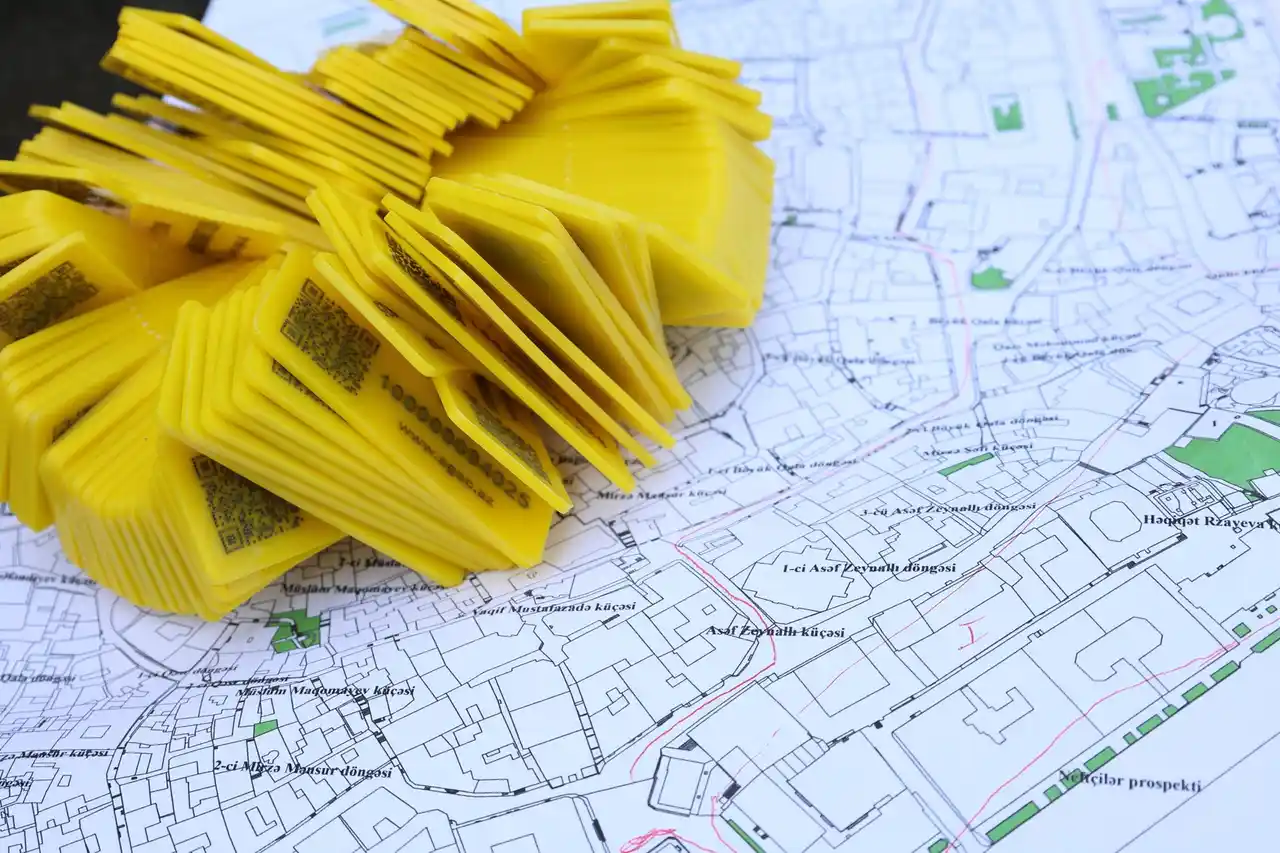 Moisture MappingMoisture mapping in Southeast Meridian uses moisture meters and sensors to create a map of damp areas in your home or building. This helps us find the source of mold growth and target sampling. It is especially useful after water damage or flooding.
 Thermal Imaging for Mold DetectionThermal imaging for mold detection in Southeast Meridian uses FLIR cameras to spot temperature differences behind walls, ceilings, and floors. These differences often indicate hidden moisture. We follow up with moisture meters and boroscopes to confirm.
 Humidity TestingHumidity testing in Southeast Meridian measures indoor relative humidity with hygrometers. High humidity is a primary driver of mold growth, especially in crawl spaces and basements. We use this data to recommend ventilation or dehumidification.
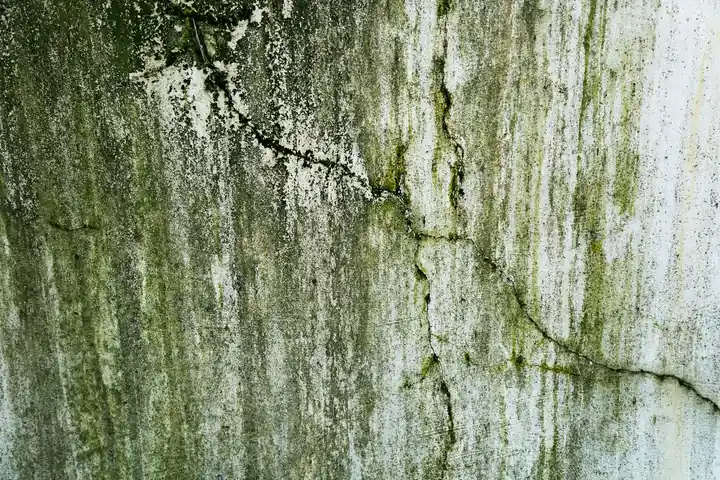 Water Damage Mold TestingWater damage mold testing in Southeast Meridian is for homes and businesses after leaks, bursts, or appliance failures. We inspect the affected area, map moisture, and take samples. Early testing prevents small leaks from becoming big mold problems.
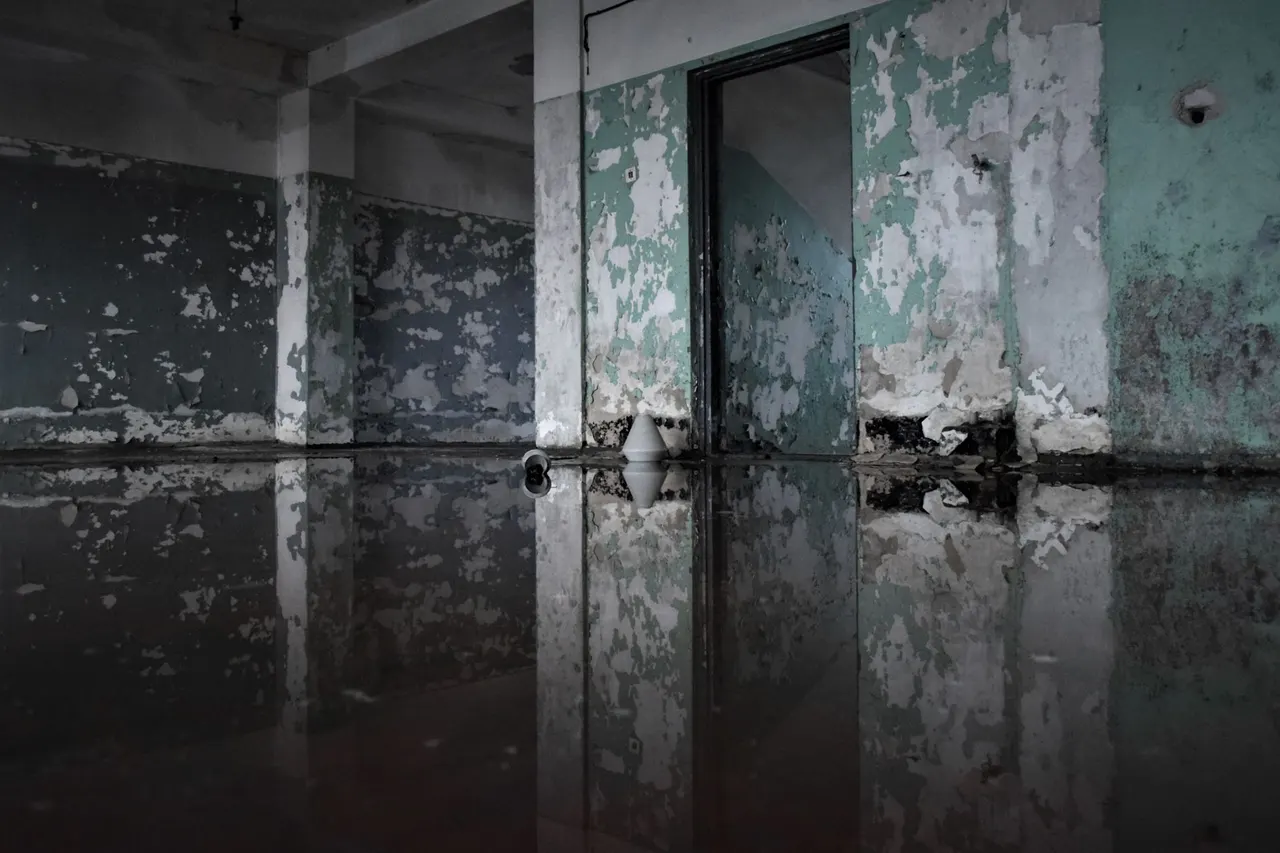 Flood Mold TestingFlood mold testing in Southeast Meridian often follows spring runoff or heavy rain near the Boise River floodplain. We check for flood mold in basements, crawl spaces, and lower levels. Sampling confirms whether mold has started and what species are present.
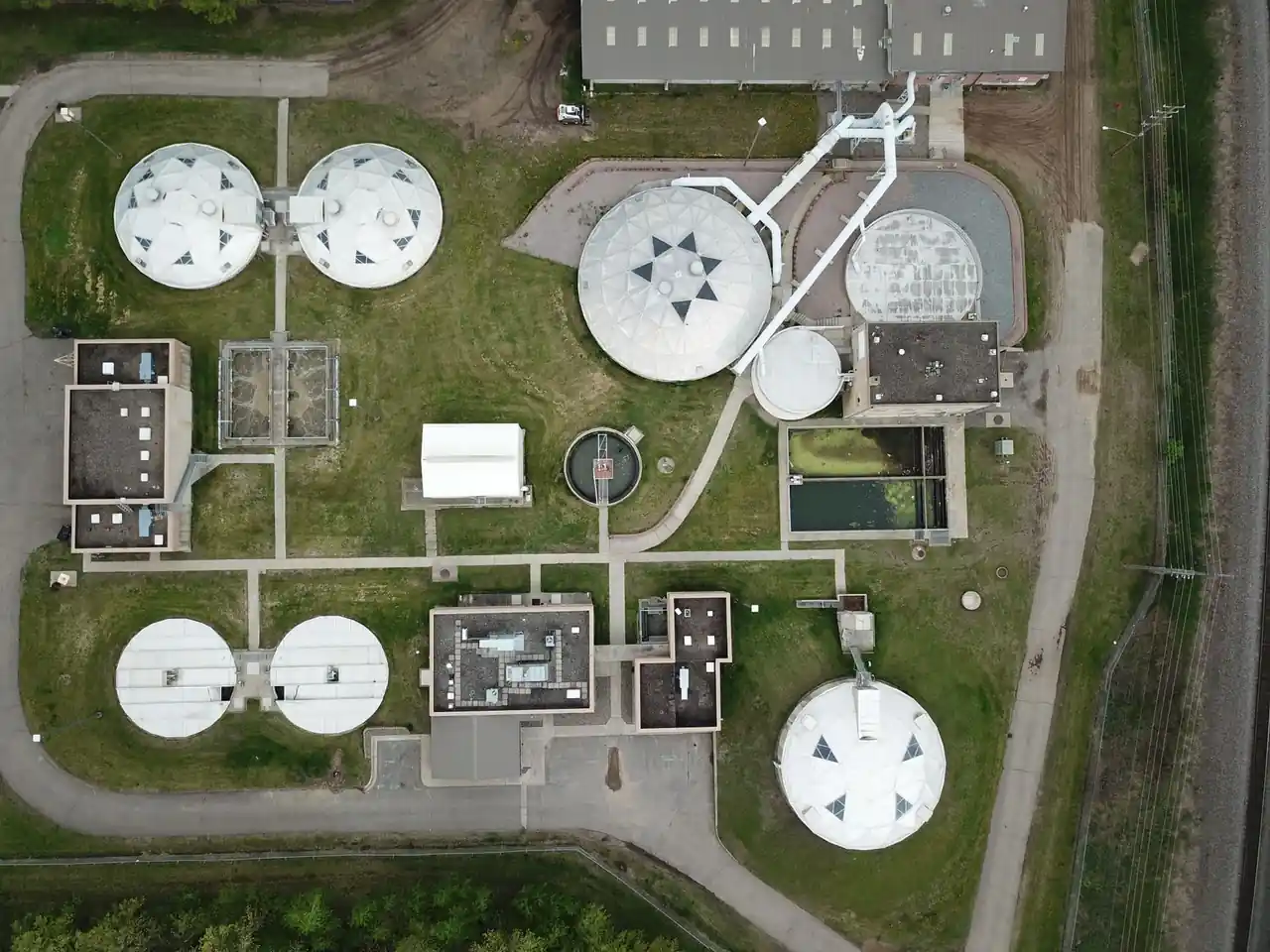 Sewage Backup Mold TestingSewage backup mold testing in Southeast Meridian addresses the mold risk after a sewage backup. Sewage introduces moisture and bacteria, and mold can follow within days. We inspect, sample, and document conditions for insurance or remediation.
We inspect crawl spaces, attics, basements, and wall cavities for mold and moisture. Our tools include moisture meters, thermal cameras, and boroscopes to find hidden growth. You get a report with photos and lab results.
We use air sampling pumps with spore trap cassettes to measure airborne mold spores. Samples are taken from multiple rooms and outdoors for comparison. Lab analysis tells you if indoor levels are elevated.
We measure humidity, ventilation, and particle counts to assess overall air quality. Hygrometers and particle counters help identify conditions that allow mold to grow. This is useful for offices, schools, and homes.
We take surface samples with swabs and tape lifts, plus air samples, to identify black mold species. Lab results confirm whether it is Stachybotrys or another type. This helps you plan remediation correctly.
We test homes of all ages, from new builds to older properties. Common issues include crawl space mold, attic mold, and bathroom mold.
We serve warehouses, offices, and retail spaces. HVAC mold and roof leak mold are frequent concerns in the industrial zones.
Southeast Meridian has specific conditions that lead to mold problems. From high summer temperatures to irrigation-driven humidity, these factors create challenges for homeowners and businesses. Here are some of the most common issues we see.

Many homes in Southeast Meridian have vented crawl spaces. Irrigation and rain can raise moisture levels, and without proper drainage, mold grows on wood surfaces. We use moisture meters and hygrometers to measure crawl space conditions. Air and surface samples confirm mold species, and we recommend drainage or vapor barrier fixes.

Large rooftop HVAC units in the industrial zones often have condensation issues. When drip pans clog or ducts leak, mold can grow inside the system and spread through the building. We inspect air handlers, coils, and ductwork with boroscopes. Air samples from supply vents tell us if mold spores are being distributed. We provide a report for remediation.

High summer temperatures and occasional storms can damage roofs. Even a small leak can soak insulation and sheathing, leading to attic mold that goes unnoticed. We inspect attics with thermal imaging cameras and moisture meters. Tape lift and air samples identify mold. We document the extent so you can fix the roof and remediate.

Some areas of Southeast Meridian are close to the Boise River floodplain. A high water table can push moisture through basement walls and floors, creating mold. We use moisture mapping sensors and thermal cameras to find damp areas. Surface and air samples confirm mold. We recommend waterproofing and dehumidification.
Watch for musty odors, visible growth, or recent water damage. These are signs you need mold testing.

A persistent musty smell usually means mold is growing somewhere hidden. It could be in the crawl space, attic, or behind walls. Air sampling can confirm the source.
Dark spots on walls, ceilings, or floors are often mold. Black mold testing can identify whether it is Stachybotrys or another species. Do not disturb it before testing.
After a leak, flood, or sewage backup, mold can start within 24 to 48 hours. Testing confirms whether mold has begun to grow and what species are present.
If you or your family have unexplained sneezing, coughing, or headaches that ease when you leave the house, mold could be the cause. Air quality testing measures spore levels.
Indoor humidity above 60% creates ideal conditions for mold. Humidity testing and moisture mapping can identify problem areas before mold becomes visible.
When you book mold testing in Southeast Meridian, we start by asking what you have noticed: musty odors, visible growth, recent water damage, or a real estate deadline. From there, we schedule a visit, often same-day for urgent cases. On site, we inspect the building systematically, using moisture meters, thermal imaging cameras, and boroscopes to find hidden moisture. We take air samples with Zefon Air-O-Cell cassettes and surface samples with swabs or tape lifts. Everything is labeled and logged on a chain of custody form, then sent to a certified lab. Results typically come back in two to three business days. We then walk you through the report and answer questions. If you need mold testing Southeast Meridian ID near me, we are local and can often be there within hours.
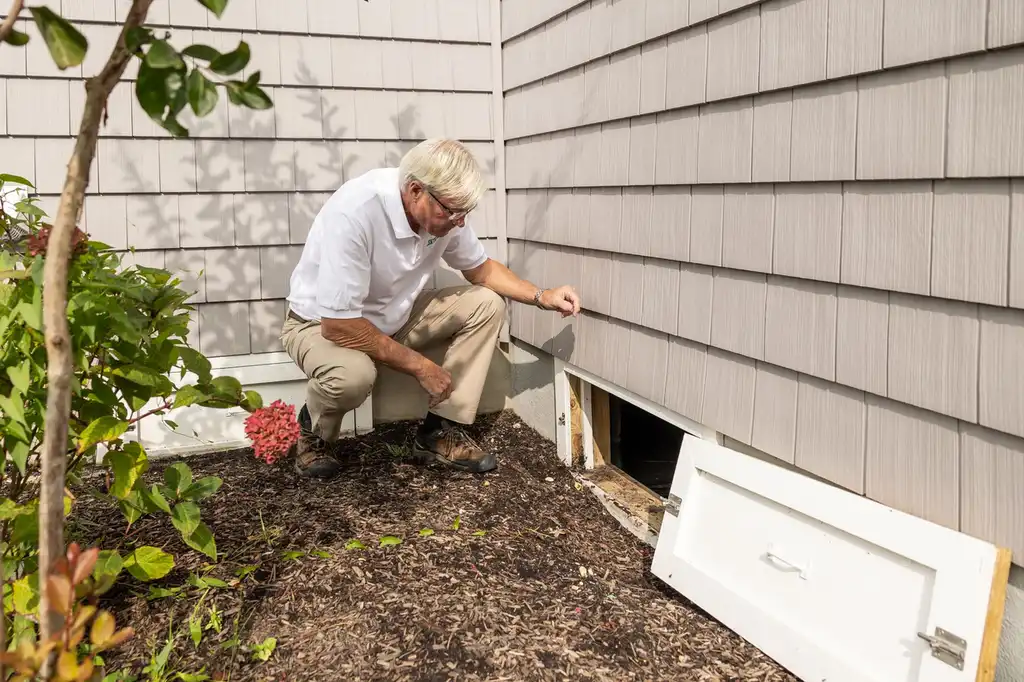
Many homes in Southeast Meridian have vented crawl spaces that stay damp well into fall. This creates ideal conditions for mold growth on joists and insulation. We use moisture meters and hygrometers to measure crawl space conditions, then take air and surface samples. If we find mold, we document it with photos and lab results so you can plan remediation.
The industrial areas near the wastewater treatment plant and Meridian Airport have large warehouses with flat roofs that can leak. Water often travels before showing up as ceiling stains. We inspect ceilings, insulation, and HVAC units with thermal imaging cameras and moisture meters. Air sampling from affected zones confirms whether mold has started.
Southeast Meridian summers are hot, and HVAC systems run constantly. Condensation in ducts and air handlers can lead to mold growth that spreads through the building. We inspect air handlers, coils, and ductwork with boroscopes, then take air samples from supply vents. If mold is present, we document it and recommend duct cleaning and remediation.
Idaho requires mold inspectors to be licensed. We hold the required state license, so our reports are recognized by real estate agents, lenders, and remediation companies.
We follow IICRC S520 guidelines for mold inspection and sampling. This ensures our process meets industry standards and our reports are defensible.
We use local landmarks to navigate Southeast Meridian and reach your property fast. Whether you are near Southeast Meridian Park or the Meridian Wastewater Treatment Plant, we know the streets and can find you without delay. Here are some of the landmarks we use for orientation.
A central green space in the area. We use it as a reference point when navigating to nearby residential streets and subdivisions.
A major facility in Southeast Meridian. It helps us orient when heading to industrial and commercial properties in the eastern part of the area.
A key roadway that runs through Southeast Meridian. We use it to access neighborhoods and commercial zones quickly.
A local airport that serves as a landmark for the northern edge of Southeast Meridian. It helps us locate nearby warehouses and businesses.
A hub of warehouses, manufacturing, and distribution centers. Many buildings here have flat roofs and large HVAC systems that can develop mold after leaks.
A mix of retail, offices, and light industrial spaces along Meridian Road. Older buildings may have hidden moisture issues that lead to mold.
A major highway that provides quick access to Southeast Meridian from Boise and other parts of the Treasure Valley.
A small general aviation airport. It is a useful landmark for locating nearby commercial and industrial properties.
We cover all of Southeast Meridian, from the industrial zones to the residential subdivisions. Whether you are in a newer home off Idaho State Highway 69 or a commercial building near the Meridian Road Corridor, we can get there quickly. Here are some of the areas we serve most often.
A warehouse near Meridian Airport had a leaking roof that caused mold growth in ceiling tiles and insulation.
We inspected the roof and ceiling with thermal imaging cameras and moisture meters. Air samples were taken from multiple zones, and surface samples confirmed mold species. We provided a detailed report with remediation recommendations. The client remediated the affected areas and passed post-remediation clearance testing. The report helped them file an insurance claim.
A homeowner in South Meridian noticed a musty odor in their crawl space after spring irrigation.
We used moisture meters and hygrometers to measure crawl space humidity. Air and surface samples confirmed mold growth on joists. We mapped the moisture and identified the source as poor drainage. The homeowner installed a vapor barrier and improved drainage. Follow-up testing showed mold levels back to normal.
A real estate agent needed mold testing for a home in East Meridian before closing.
We performed a full mold inspection, including attic, crawl space, and HVAC. Air samples were taken indoors and outdoors for comparison. Lab results showed elevated mold spores in the attic. The seller remediated the attic, and we provided clearance testing. The sale closed on time.
Spring brings rain and snowmelt, raising humidity levels. Crawl spaces and basements are at risk of dampness and mold growth. This is a common time for flood mold testing. Check your crawl space and basement for moisture after heavy rains. If you notice musty odors, schedule a mold inspection.
Hot temperatures mean HVAC systems run constantly. Condensation in ducts and air handlers can lead to mold. Attics can reach extreme temperatures, speeding up mold growth from roof leaks. Change your HVAC filters regularly and check for condensation. If your system has not been inspected in years, consider HVAC mold testing.
Fall brings cooler temperatures and falling leaves. Gutters can clog, causing water to back up into roofs and walls. This can lead to hidden mold growth. Clean your gutters before winter. If you had a roof leak last winter, get an attic mold inspection before the snow flies.
Winter freezes can cause pipes to burst, leading to water damage and mold. Indoor humidity can rise when homes are sealed tight. This is a peak time for water damage mold testing. Watch for frozen pipes and leaks. If a pipe bursts, dry the area quickly and call for mold testing within 48 hours.
Not all mold testing companies are the same. Asking the right questions helps you choose a qualified inspector who will give you accurate results. Here are key questions to ask before you hire.
Idaho requires mold inspectors to be licensed. Certification from organizations like ACAC or IICRC shows a commitment to standards. Ask for proof.
A professional should use moisture meters, thermal imaging cameras, and boroscopes. If they only do a visual check, they may miss hidden mold.
Lab analysis is the only way to confirm mold species. Ask which lab they use and how long results take. A reputable company uses accredited labs.
A detailed report is essential for remediation, real estate, or insurance. It should include sample locations, lab data, and recommendations.
After remediation, you need proof that the mold is gone. Clearance testing confirms the work was successful and protects your investment.
Most residential mold testing in Southeast Meridian costs between $300 and $800. The price depends on the size of the property and the number of samples. Commercial jobs cost more. We provide upfront pricing before we start, so you know exactly what you are paying for.
The best inspector is one who is licensed, uses professional tools, and sends samples to a certified lab. We have served Southeast Meridian since 2010 and follow IICRC standards. Our reports are detailed and backed by lab data. Call us to discuss your needs.
Yes, we provide mold testing throughout Southeast Meridian and nearby areas. We serve ZIP codes 83642 and 83646, including neighborhoods like South Meridian and East Meridian. We can often schedule same-day appointments.
We do our best to accommodate same-day requests, especially for urgent situations like water damage or real estate deadlines. Call us in the morning and we can often get there by afternoon. Availability depends on our schedule, so call early.
Do not disturb the mold. Disturbing it can release spores into the air. Call us for testing first. We will identify the species and extent, then recommend a remediation plan. Testing before cleanup ensures you address the problem correctly.
If you need mold testing in Southeast Meridian, call us at (208) 823 1178. We are local, licensed, and ready to help. Whether you are a homeowner in South Meridian or a business owner in the industrial zone, we can schedule an inspection that fits your timeline. Same-day appointments are often available.
Call us at (208) 823 1178 or email info@moldtestingmeridianid.com to schedule your inspection. We answer calls Monday through Friday from 8:00 AM to 6:00 PM. If you reach us after hours, leave a message and we will call you back first thing the next morning.